
Sunderland council tax hike confirmed with wave of cuts but leader promises light at end of tunnel
Sunderland City Council has signed off its budget plans for the coming year, including another council tax rise and millions of pounds of savings to balance the books.
City councillors, at a meeting this week, voted to approve a budget which includes a council tax rise of 4.49 per cent for core council services from April, 2025.
This is made up of a 2.49 per cent rise in core council tax for day-to-day council services and a two per cent government levy earmarked for adult social care services in the city.

As part of the 2025/26 budget, the council is expected to make cost savings of around £9.974 million and to use £9 million of medium-term planning reserves to balance the books, with even more savings expected in future years.
Spending commitments for next year fall against a backdrop of budget pressures in temporary supported accommodation and “inflationary and social care pressures”, with council bosses previously citing the need for “difficult short-term decisions”, despite the increase in funding provided by Central Government in the 2025/26 settlement.
Staffing reviews and managing vacant posts, reviews of some adult social care services, including the telecare service, a review of cultural services and fees and charges and an “alternative delivery model” for managing council business centres are just some of the savings measures proposed.
Lowest council tax in north east
Next year’s council tax rise for council services equates to an extra 99p a week for a Band A property, which represents the majority of Sunderland households, and a rise of £1.48 per week for an average Band D property.
Council chiefs have stressed that the council tax rise on Wearside for 2025/26 is the lowest in the north east region, and that the council would continue to support residents via its council tax support scheme, “significantly protecting those with the lowest incomes from the rise.”
Spending plans for 2025/26 were part of a budget proposed by the council’s Labour Group at a meeting on February 19, 2025, at City Hall, and marked the first time in more than a decade that the Labour Party has been in power nationally.
Councillor Michael Mordey, Labour leader of the council, said the local authority was still facing the “lagging impact” of austerity under the previous Government but noted the city council had seen an increase in core spending power for 2025/26.
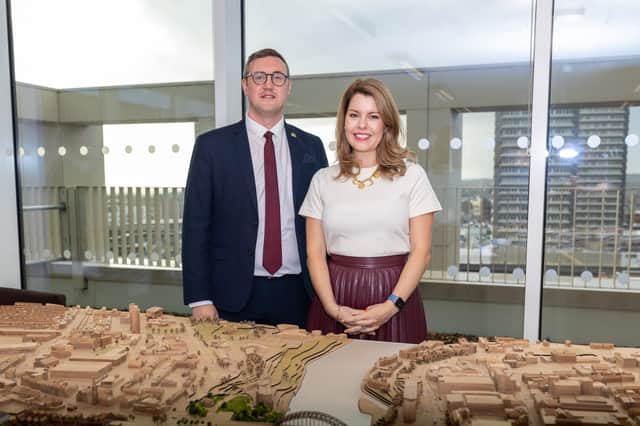
Despite the council’s medium-term deficit improving following the first settlement from the latest Labour Government, Sunderland City Council is still managing around £48.8 million in spending pressures in 2025/26.
Ambitious projects and support for most vulnerable
Speaking at Wednesday’s budget meeting, council leader Michael Mordey described spending plans for 2025/26 as a “positive budget” and said plans would allow the council to continue with “ambitious social and economic regeneration plans for the city, whilst ensuring we continue to protect and support our residents most in need”.
The council leader said a council tax rise for 2025/26 was “unfortunately necessary” and that failing to do so would lead to “cuts in services to the most vulnerable in our communities, and to the services which residents tell us are a high priority”.
“This Labour-led council has always strived to keep council tax as low as possible and in that vein, we’re proposing an increase in core council tax this year of 2.49 per cent,” Cllr Mordey said.
“This is below the maximum level permitted and I understand is the lowest increase in core council tax of any council in the north east.
“Colleagues will also note the budget proposals include an adult social care precept to ensure we’re able to continue to provide the necessary high level of care and support to the most vulnerable adults in our city.
“Without this ringfenced funding we would be forced to look at a reduction in service to those who need us most, something I hope we can all agree across the chamber would be the wrong thing to do.”
Councillor Alison Smith, Labour cabinet member for corporate services and equalities, said budget plans protected residents and services but stressed the £9 million use of reserves “must be a temporary measure” and in the context of “financial challenges” ahead, she said Sunderland “cannot become one of the councils around the country finding themselves in financial difficulties.”
Final council tax bills on Wearside will include charges levied on behalf of Tyne and Wear Fire and Rescue Authority and the Northumbria Police and Crime Commissioner, and residents living within the Hetton Town Council parish area would also see an extra precept added to their council tax bill.
Council leader Cllr Mordey and members of his new ‘slimmed-down’ cabinet appointed last year (2024) gave speeches at City Hall on various aspects of the budget, including both revenue and capital spending.
This included an additional £1 million investment into community cohesion and anti-social behaviour issues, extra investment into adult social care, a new model of support for homelessness, protecting existing services, investment into cultural venues, technology and coastal defences, parking improvements at Herrington Country Park, active travel improvements, electric vehicle charging hubs and more.
Spending plans also aimed to support the delivery of the council’s City Plan with developments at Riverside Sunderland, including the Culture House venue, Riverside Park and developments at Sheepfolds, as well as continued investment at the International Advanced Manufacturing Park near Nissan and schemes around carbon reduction, digital hubs and free Sunderland Wi-Fi.
Councillor Kevin Johnston, cabinet member for housing, regeneration and business, said the local authority had been successful in “leveraging funding” towards key projects and that there was a “growing sense of momentum that is fuelling a once in a generation transformation in the heart of our city.”
Lib Dems want Free After 3 parking back and OGR 1 numberplate sold
During the budget meeting, amendments to the Labour Group’s 2025/26 budget were submitted by the city council’s Liberal Democrat and Conservative opposition groups.
The Liberal Democrats proposed to save around £2.6 million from the council’s day-to-day revenue budget through a variety of proposals, including reducing the number of council area committees and cutting expenses and special responsibility allowances for councillors.
Other savings included removing the council’s corporate communications and carbon reduction budgets, scrapping the residents’ survey and newsletter, ending the use of council vehicles for the Mayor, cabinet and councillors, scrapping the council’s foreign travel and hospitality budgets and more.
The amendment also proposed using savings to reduce Labour’s proposed council tax rise, and to allocate funding for additional environmental services staff, dog wardens and traffic wardens, along with a new “big wheelie bin fund” to assist households with larger bins.
Plans also included reinstating ‘Free After 3′ parking in all city car parks it previously applied to, and introducing it at the new Riverside multi-storey car park, amongst other proposals.
Lib Dems also proposed saving £4.3 million in capital funding, including around £4 million allocated for Washington F-Pit Heritage Visitor Centre and Albany park improvements, and selling the Mayor’s chain, ceremonial mace and OGR 1 numberplate to raise additional funds, and reinvesting this capital funding into more than 20 neighbourhood and city-wide initiatives.
This included almost £2 million additional investment to repair roads and footpaths and smaller amounts of funding for a large number of local transport and infrastructure schemes.
Councillor Paul Edgeworth, leader of the Wearside Liberal Democrats, said the budget amendment was a “game changer” and about “fairness” and aimed to “put an end to waste and give the people of Sunderland the services they actually want”.
“We want to cut the waste, cut the nonsense and put the people back in charge, Liberal Democrats are going to keep fighting and together, starting with this budget amendment, we can make Sunderland great again,” he added.
Conservatives want chauffeur-driven cars axed
Meanwhile, the Conservative Group proposed savings of around £3.399 million from the council’s day-to-day revenue budget through a range of measures.
Examples ranged from reallocating funding to “immediate priorities” and reducing funding for corporate communications and events, as well as cutting councillors’ allowances, reducing trade union facility time and “ending chauffeur-driven cars for the Mayor and Labour cabinet”.
The Conservatives said they would redirect funding to reduce the Labour Group’s proposed council tax increase, alongside proposals to restore ‘Free After 3’ parking across the city centre and extend it to the seafront at Seaburn and Roker.
Other suggestions included making community parking permits free across the city and introducing 10 School Streets schemes, along with new traffic civil enforcement officers, park and cemetery enforcement wardens and investment into roads and pavement repairs.
The Conservatives also proposed “deleting” the remaining capital budget for the Labour council’s F-Pit redevelopment in Washington to save around £4 million, along with other capital savings proposals, and to reallocate around £4.8 million towards a range of new initiatives.

This included “replacing the roundabout at the Broadway with a traffic light system”, around £2 million invested towards road and pavement repairs and funding towards the ongoing Fulwell War Memorial upgrade project.
Councillor Antony Mullen, leader of the Conservative Group, said the plans for the Broadway roundabout were needed for safety reasons and criticised the council’s existing approach to community parking management scheme permits.
Councillor Lyall Reed, deputy leader of the Conservative Group, added the School Streets schemes were an “effective way of managing school time parking issues and making schools safer” and noted it would be a “relatively small amount of money” to “fully restore” Free After Three parking across the city centre.
After being put to separate votes, both opposition budget amendments were voted down by a majority of councillors present.
‘Light is finally at the end of the tunnel’
During debate on the budget, some opposition councillors questioned how helpful the Labour Government’s “fair funding” proposals for councils would be in practice and also noted the impending impact of national decisions on councils, including increased employer National Insurance contributions.
Councillor Michael Mordey said the Labour Government had been elected to “fix the foundations of the economy” and listed several policies and plans, and stressed the latest local government funding settlement for Sunderland City Council had “steadied the ship”.
While acknowledging that “things have been tough for the people of the city for the last 14 years”, the council leader said “light is finally at the end of the tunnel”.
“This Labour Group is putting in place policies and plans that will absolutely benefit the residents of this city, and are at the behest and the request of what the residents tell us in the residents’ survey and we will continue doing that for year and year after,” he added.
The meeting drew to a close following more than three hours of speeches and debate and after being put to a final vote, the Labour Group’s budget was passed by 44 votes in favour and 17 votes against.