
How Sunderland got its hills - and the men who built an ark one of them
Thousands watched when a ship was launched from the top of one of them
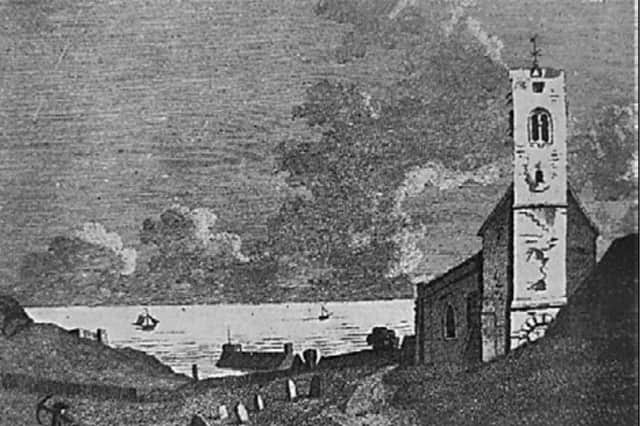
Guess which city has seven hills and a historic church called St Peter’s.
No it’s not Rome. It’s good old Sunderland and there’s a reason why its hills were of great significance.
Philip Curtis of Sunderland Antiquarian Society explains more in the society’s latest newsletter.
Sunderland’s importance as a thriving port was growing by the end of the 18th Century.
But there was a by-product of its new prosperity and it was brought ashore by ships.

Ships would sail into Sunderland to trade in pottery, glass and coal. To make sure they were safe at sea, they would carry ballast.
Soil, sand and shale all brought ashore
But when they arrived in port, they would have to dump it before collecting their cargo.
That meant that Sunderland was being filled with soil, sand, shale and gravel and it was building up along the river banks.

It was an act of vandalism which continued for hundreds of years, mainly at Deptford and Monkwearmouth.
It threatened to engulf St Peter’s Church
It became such a big problem that the ballast was threatening to engulf St Peter’s Church.
By the 1780s, it came within a few feet of being completely covered. Another barrelful and the front door would probably have been sealed forever.
Four of the ballast hills were in Monkwearmouth.
Four hills with a history
Meeting Hill, which was 1,000ft high, got its name from a Baptist Meeting House which was built on the top of it.
It was eventually demolished to make way for new housing in 1833.
Palmer’s Hill had a large house on the top of it and a fine house on its eastern side.
Cage Hill got its name from the small prison which was built on it.
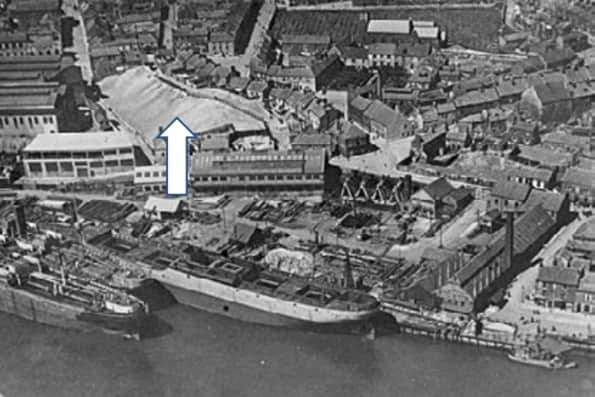
And Look Out Hill was so called because it was the point where pilots would stand to keep a lookout for any ships entering the Wear.
The ark which was built on top
Perhaps the strangest story came from Palmer’s Hill in 1840. Four young shipwrights decided to build an ark on it.
But there was a question over why they would build such a huge vessel on the top of the hill. They would have to get it past houses and other obstructions if it was ever going to reach the water.
When the day came to move it, roads were closed and thousands of people turned out to watch.
One of the daredevils tied himself to the boat and then cut the ropes which were holding it in place.
The monster vessel raced down the hill and into the river with no-one getting hurt, and the great crowds cheering.
The pluses - and glassmaking was one
But there were some pluses to Sunderland’s ballast.
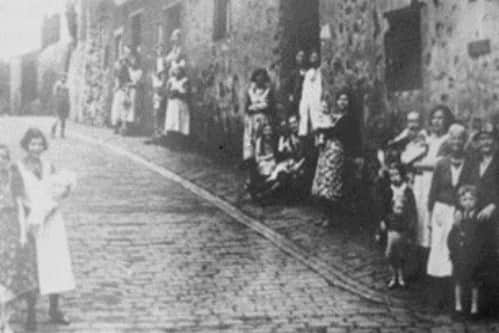
Other hills were built as far up as Deptford where the sand was used in glass, bottle making and pottery.
It is highly doubtful whether such industries would have even been started in Sunderland without the daily arrival of sand.
Thanks to Philip for a wonderful insight into Sunderland’s past. The latest Antiquarian Society newsletter is filled with similarly interesting stories.
The society's newsletter goes out to its members and is packed with fascinating reads about Sunderland's past.
Visit the treasure trove
You can also visit the Antiquarian Society’s Facebook page or its website which is at http://www.sunderland-antiquarians.org
And to become a member, email [email protected]
Tell us about a moment in Sunderland history that you would like us to revisit, by emailing [email protected]