
Memories of Grove Cranes in Sunderland, which closed 25 years ago this autumn
670 people told it would cease production
It's 25 years since almost 700 Wearside workers faced the saddest of news.
Workers at Grove Cranes, where 670 people worked at the time, were told in 1998 that it would be ceasing production.
Grove Europe blamed “severe financial losses”, but many workers waved angrily-worded placards as they left work.
A bitter blow for an excellent era
And the Echo’s story at the time described how it had been a bitter blow to an era of engineering excellence’.

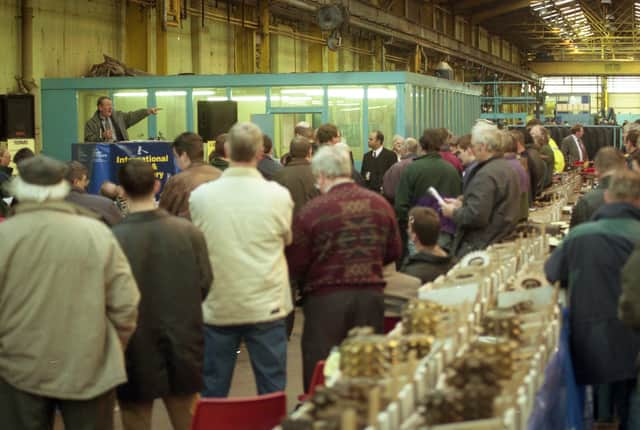
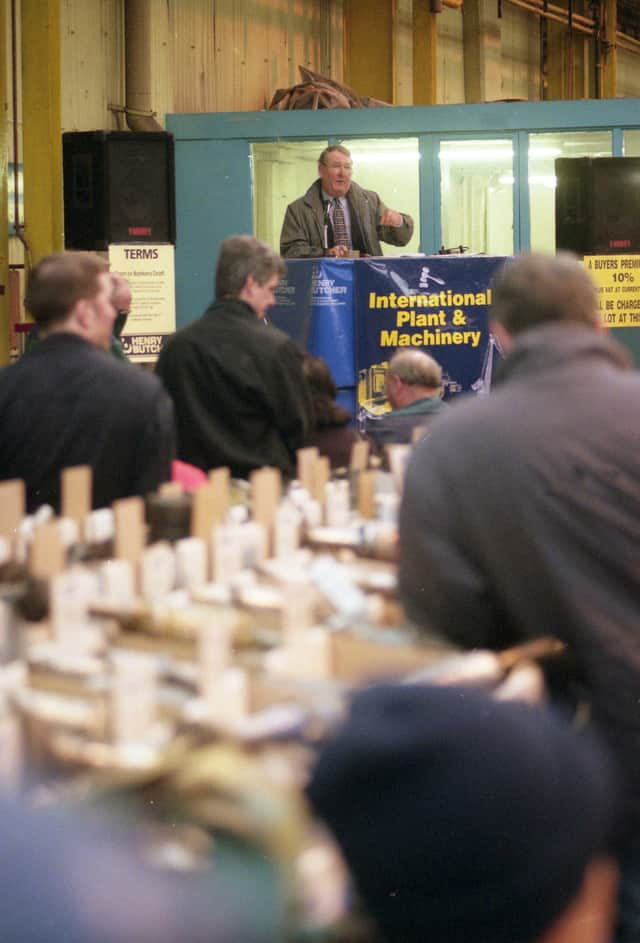
Then, in the following March in 1999, an auction of 2,500 lots of machinery and equipment went up for sale.
Peter Davidson, who was the AEEU convenor at Grove, was interviewed at the time and described the auction as a very sad occasion for people who worked there.
A heartbreaking day in Wearside history
“It means no going back, ” he said back in 1999. “It is heart breaking to see this taking place.”
Grove, Coles and Steels were all names which were synonymous with crane-making on Wearside for many decades.
Coles Cranes was born in 1939 and the Egis shipyard at Pallion was bought and renamed Crown Works.
Most products came under the umbrella company of Steels Engineering Products in 1943, but the Coles product name was kept.
By 1970, the change of name to Coles Cranes happened.
Hundreds of lots up for grabs
In 1984, following the collapse of Acrow, a management team tried to take over the Sunderland operation but it went to American-owned Grove Europe instead.
The next few years brought job losses and job boosts, as the market fluctuated, but manufacturing continued until the shock closure announcement in November 1998.
By March 1999,a team from the London-based firm Henry Butcher came to the Crown Works with the aim of selling everything from welding sets to mobile cranes.
A close-knit community
The list of items included portable buildings, 250 lots of inspection and laboratory equipment, 50 lots of canteen equipment and 100 lots of power tools.

But what do you remember of the place which has been described in Echo archives as like one big happy family’ where everyone looked after each other and where it was a close-knit community.
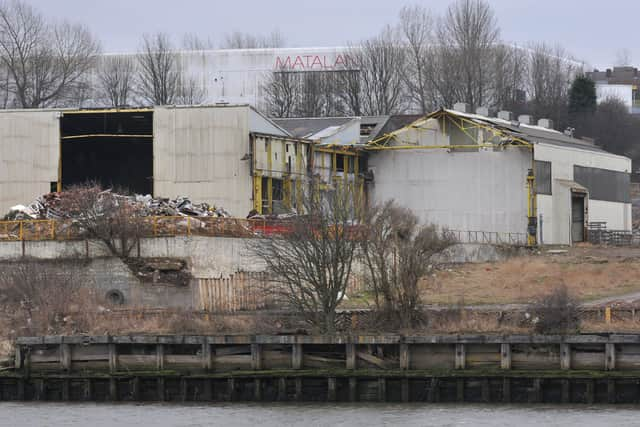
By 2015, the south bank of the river at Pallion had become a hive of activity, with demolition work almost complete on the former Grove Cranes site.
It would pave the way for more than 800 concrete piles that would support the approach to the Wear Crossing, which would connect Sunderland to the A19 and A1.
Share your memories of former businesses in Sunderland - from ships to coal - by emailing [email protected]