
You won't believe the astonishing way Sunderland's famous bridges were tested for safety 100 years ago
This article contains affiliate links. We may earn a small commission on items purchased through this article, but that does not affect our editorial judgement.
Guess what a load of marching soldiers and eight massively heavy train engines have in common in Sunderland.
The answer is that they have both been used to test Sunderland’s most famous bridges for health and safety!
The incredible history of Wearside bridge testing has been examined by Philip Curtis of Sunderland Antiquarian Society.
“Sunderland’s new footbridge, The Keel Bridge, is nearing completion and should be open later this year once all the Health and Safety checks have been completed.
Soldiers marched up and down on the Wearmouth Bridge
But checks on Sunderland’s bridges are not a new thing.


They started with the first Wearmouth Bridge of 1796 when soldiers had the job of marching backwards and forwards on it for an hour.
If that’s not surprising enough for you, take a look at how they tested the Queen Alexandra Bridge when it was completed.
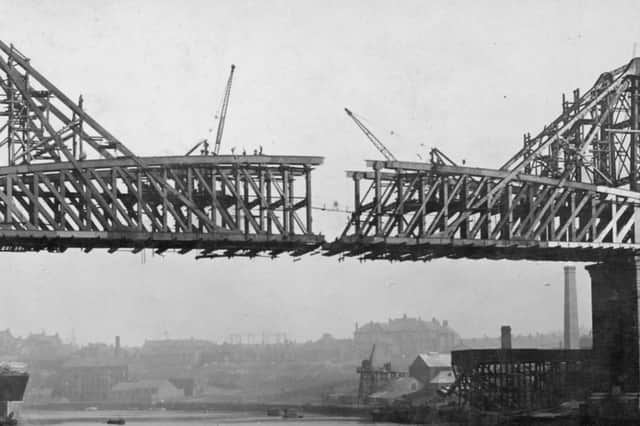
In 1909, the Queen Alexandra Bridge was just about ready for opening.
Eight engines on the bridge’s roof
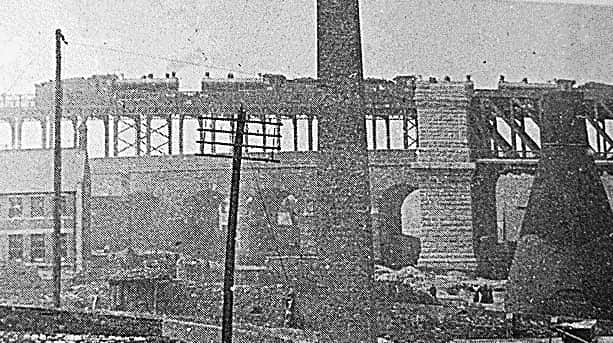
However, before doing so, checks needed to be completed. This bridge was a different matter altogether – it was built with a railway track on its roof and it was that track that had to be tested.

Could it take the weight of a train? The check was arranged and involved eight, yes eight, engines.
They travelled to the bridge and lined up ready to go across. Imagine how those drivers must have felt taking on that death-defying trip. I wonder if they were paid danger money?
Well it was a case of ‘all’s well that ends well’, as the engines crossed without mishap and the opening of the bridge went ahead.
Find out more by joining the Antiquarians
The railway lines have long since disappeared from the bridge’s roof with the last goods train crossing over in 1921.
But the Queen Alexandra Bridge has continued to serve the city well since 1909.
Our thanks go to Philip for an eye-opening article and it is one of many great stories in the July 2025 Sunderland Antiquarian Society newsletter which is sent out to all members.
You can find out more about the Antiquarian Society by getting along to its Heritage Centre which is open in Douro Terrace on Wednesdays and Saturdays from 9.30am to 12pm.
You can also visit the Antiquarian Society’s Facebook page or its website which is at http://www.sunderland-antiquarians.org
And to become a member, email [email protected]