
You knew you were well-off if you danced at The Assembly Garths in Sunderland
The Duke of Wellington was a famous visitor
There’s one place in Sunderland which was a ‘must visit’ venue for the rich and famous.
In the good old days of balls, dancing parties, horse and carriages, this was the place to be.
It’s the Assembly Garths and it was once the only place in town which was big enough to host balls. That’s according to Taylor Potts’ history of Sunderland.
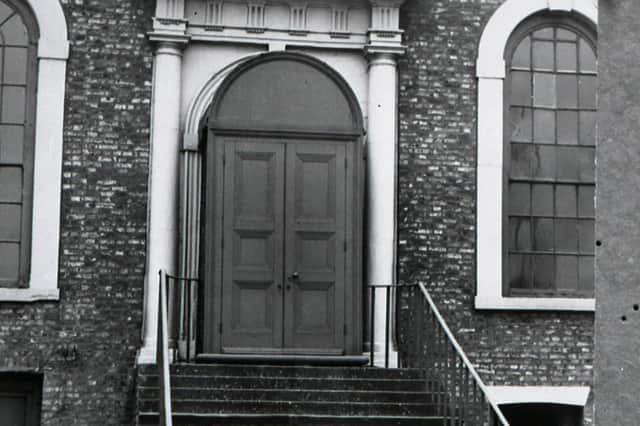

Arriving in a Sedan chair
The cream of British society would be driven down High Street East to the side entrance and return up Coronation Street.
It is even thought to have hosted a ball held by the Duke of Wellington.
In those days there were not any cabs and the cost of the few carriages available was great. Guests would arrive in Sedan chairs.
But those days did not last.
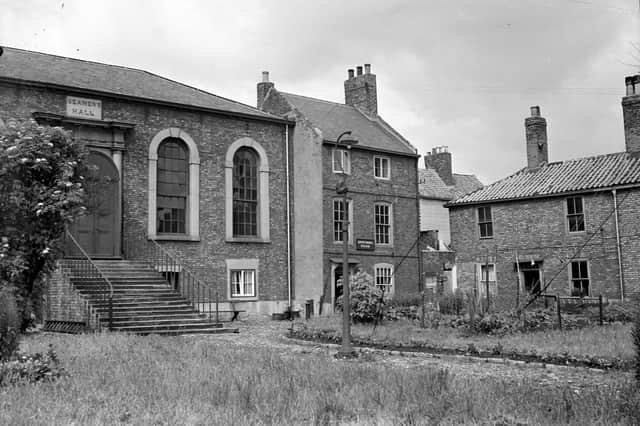
Bought out in 1750
In 1747, an Act of Parliament created the Muster Roll Fund for the “relief and support of maimed and disabled seamen, and their widows and children of such as shall be slain, or drowned in the Merchant Service.”
One of the results of the fund was the Assembly Hall, or Garth, was bought in 1750.
It included nine dwelling houses and around an acre of land by the Port of Sunderland.
Trafalgar Square in Sunderland
In 1840, the trustees used the same fund to build Trafalgar Square, five years before the Trafalgar Square in London.
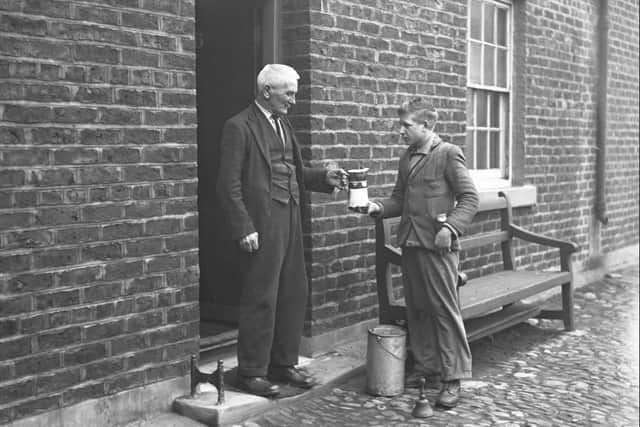
This allowed the trustees to accommodate 104 “maimed and disabled seamen and widows and children of such”.
Sunderland Aged Merchant Seamen’s Homes (AMSH) was also established in 1750 and led to the purchase of the Old Assembly Hall, which was at the lower end of Coronation Street.
The Assembly Garths themselves were demolished around 1966.