
Sunderland businesswoman opens up about living with alopecia
“There is a huge lack of support for people living with alopecia, and people are being left to deal with the consequences largely on their own.”
At the age of 18, Beth Easterbrook Smith, now 30, got leukemia.
She underwent a lot of treatment, including chemotherapy and a bone marrow transplant, which caused hair loss and eventually, permanent alopecia.
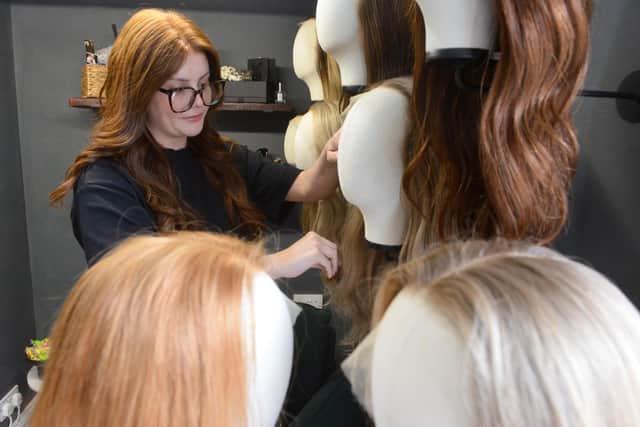
In June, Beth set up her own wig business – Pigment Hair – using her own experience of hair loss to focus on the emotional impact hair loss can have and the confidence that can be restored by finding the right wig.
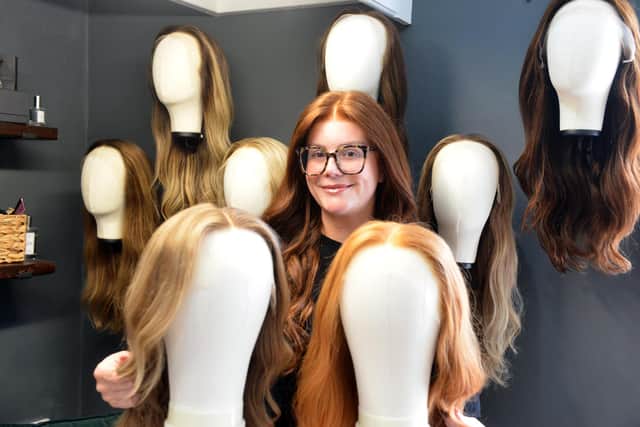

Despite the positive impact this business has had on the community, “there is a much harder story underneath it”.
Beth said: “I’ve spoken to so many people affected by hair loss and one thing has become increasingly obvious to me – there is a huge lack of support for people living with alopecia, and people are being left to deal with the consequences largely on their own.
“What concerns me most is that this doesn’t seem to be an isolated experience.
"Almost every person I’ve spoken to about their alopecia has described a negative experience when it comes to getting support, whether that’s from the NHS, knowing where to turn, getting emotional support or simply being given the practical help they need.
“And yet alopecia affects so many people.”
Beth told the Echo about the lack of support experienced by many following a diagnosis.
She said: "No one gets support after their diagnosis. People are expected to know what to do.
"We get diagnosed, told funding is available for wigs, but when people go to their GP, their experiences are totally different.
"Some people wait six to eight months for funding, others wait two days.
"And a lot of people don’t get support after.”
Through her business in Sunderland, Beth speaks to people of all ages about their experiences with alopecia and the struggles they face.
One woman, Gaileen Smailes, spoke about the “lack of ongoing support” she received after being diagnosed.
After suffering from a severe reaction to medication she was given, Gaileen decided not to continue with it and was instead given a wig and discharged.
Gaileen explained that when she requested mental health support to help cope with the emotional impact of her hair loss, she was told “because alopecia is not life-threatening, funding would likely not be available”.
Beth said: "A lot of the time it is put down to cosmetics.
"I think it should be recognised as a disability because it can really affect your life.”
She continued: “Imagine waking up one day and realising your hair was gone, that it had thinned to the point you couldn’t tie it up or you had big circles of complete hair loss and needed to wait two years to see anyone medical.
"Then at that appointment they give you a one minute appointment and dismiss two years of built-up emotion and sadness.”
Alopecia can affect people of all ages, and one parent’s experience in particular highlights the challenges families face when seeking support for a child with alopecia.
Ian Lumley’s five-year-old daughter was denied private healthcare cover for her alopecia after it was “classed as cosmetic, despite its autoimmune nature”.
After privately funding specialist advice and pursuing NHS treatment, Ian believed his daughter was “written off” when regrowth attempts failed, and “no mental health support was offered”.
Beth said: "A lot of the time we are told it is not life threatening and that there’s not a lot they can do.
"We know it does not have a cure but we expect support."
She continued: "The service isn’t streamlined – that’s the problem.
"Take cancer for example. There is so much support available after being diagnosed. There are support groups, Macmillan nurses. I know – I’ve been through it.
"For alopecia, there isn’t.”
For Beth and many others living with alopecia, “there is no consistent, streamlined approach to alopecia care”.
She said: “Patients receive different levels of support, with some facing waits of up to two years for dermatology appointments, only to be discharged with no further action.
"There is also a significant lack of support following diagnosis both emotionally and practically.”
Beth is calling on a more standardised approach to be introduced to ensure consistent access to information, emotional support and appropriate wig provision.
She said: “People with alopecia should not have to navigate a confusing system or receive different levels of support depending on their GP, hospital or individual circumstances.”
Beth added: “I think we need to be asking, what happens to people after they lose their hair, and where is the support when they are struggling?”