
Bodlewell Lane, the tiny Sunderland street with a big history featuring sabres, prostitutes, riots and drama
It might be one of the smallest streets in Sunderland but what a history it has.
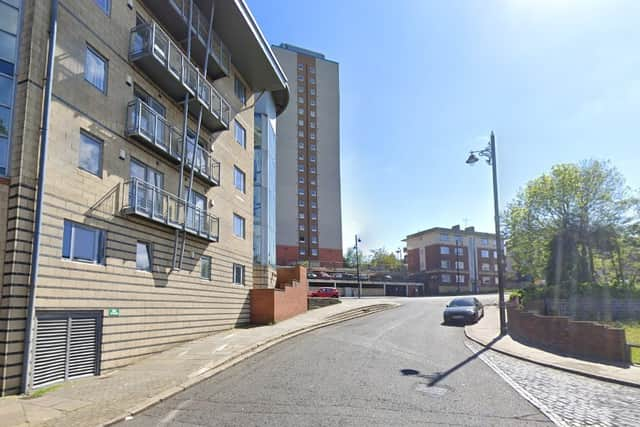
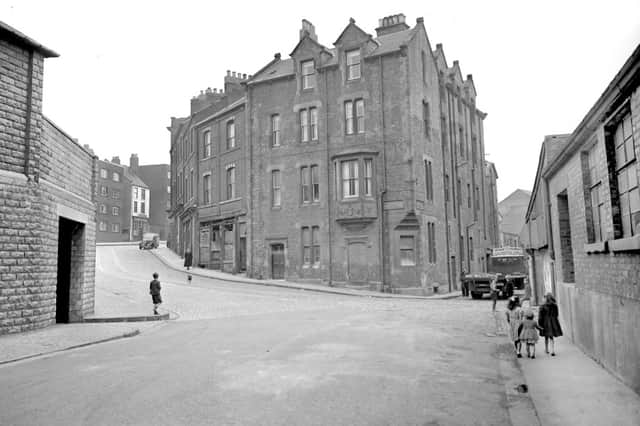
Bodlewell Lane links High Street East and Low Street and provides an impressive view of the River Wear.
But its past contains all of this;
It was once the home of a divisional police station which later became a house. Sunderland’s river police were based there.
The source of Sunderland’s water
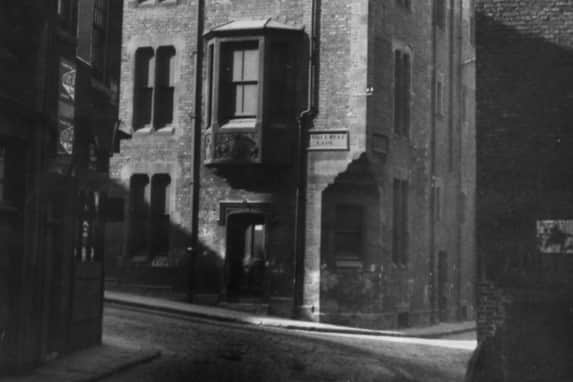

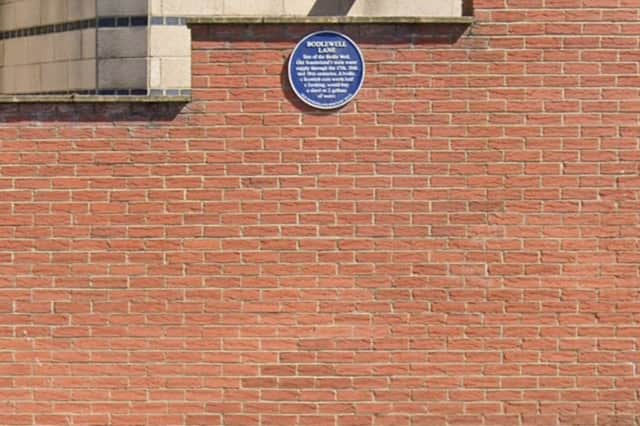
At one time there was a pump in Bodlewell Lane. The street was the site of the Bodle Well which was Old Sunderland’s main water supply in the 17th, 18th and 19th centuries.
On another occasion, the street witnessed a quirky Sunderland event. Locals had built a small vessel - in Nile Street in the town centre.
Somehow, they manhandled it all the way through the centre and down the Lane to be launched in the Wear.
The town crier with an umbrella shop
Sunderland once had a town crier called Tommy Sanderson. He ran an umbrella repair shop from Bodlewell Lane.
The street once had a pub called the Ferry Hotel.
The ferry which lasted 1,000 years
Bodlewell Lane was the place where Sunderland’s ferry would land. The ferry had lasted for 1,000 years.
In Victorian times, ‘ladies of the night’ would often be seen by the dozen trying to find customers in the area.
Sabres, pistols and riots
It was once the scene of riots in 1825 when union members were demanding better pay for dealing with ships’ ballast.
But reports of the time said their pickets included some unlawful means, and that led to soldiers with pistols and sabres being called in.
Tell us about a Sunderland street with a fascinating past by emailing [email protected]