
The Sunderland school which closed after it was twice hit by tragedy
Sunderland once had a boarding school to rival the best in the land - until tragedy struck.
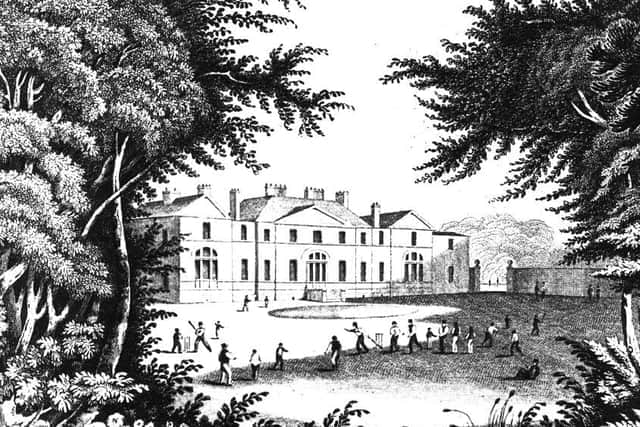
Grange School was, in its time, the largest of its type in the north of England.
Thanks to Philip Curtis and the Sunderland Antiquarian Society, we can share the tragic story of its rise and fall once more.
Life for the students was very different to today’s world of education.
They were up at 7am, and then faced a rigid schedule of work, dining and play.
But it all helped the school to become a popular place of learning.
Students did an hour of work before breakfast
Its founder, James Cowan, opened his first school in William Street in 1822 with 20 scholars. By 1824, it moved to much larger premises in Green Street.

Students were up at 7am for an hour of work before breakfast from 8am to 9am. Three hours of schoolwork followed before dinner from noon to 2pm. The classroom beckoned once more from 2pm to 5pm.
More lessons from 6pm to 8pm
Students sat down for tea, from 5pm to 6pm, were back at lessons from 6pm to 8pm. Wednesday and Saturday afternoons were free.
Before long, Cowan was receiving more student applications than he could cater for and looked for larger premises.
In 1830, he bought the Grange estate and moved in.
Good food and substantial meals
Grange School opened the same year with about 50 boarders and the same number of day scholars. Great stress was placed upon sport with football introduced.
Cricket and handball were also played and the school prospectus emphasised that safe bathing under proper supervision was available.
The food, prepared by Cowan’s mother, was good and substantial.
Everything changed when tragedy struck
The boys only returned home in the summer break, other holidays being spent at the Grange.
By 1845, there were 160 boarders and Cowan was turning down scores of applications every year. Then tragedy struck and everything changed.
On Wednesday, October 15, 1845, 38 boys and 4 teachers went to Hendon Beach. Three teachers, all strong swimmers, went in with them with one remained on shore to supervise.
Rushed to Hendon baths
Suddenly, for some unknown reason, they were all in trouble. The teacher called them ashore but one of the older boys, further out, was in difficulties. The teacher and three boys went out to his aid.
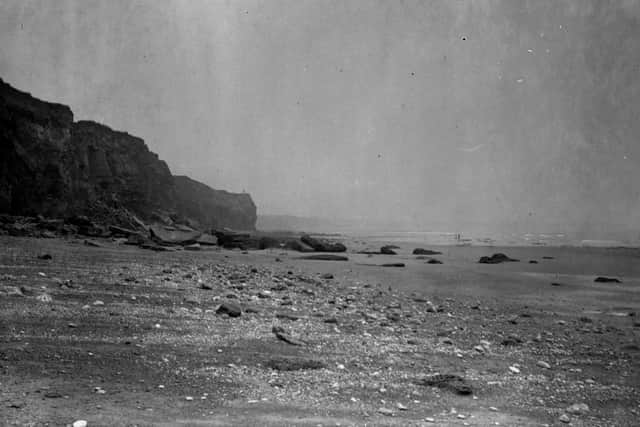
However, along with two of the boys, he was swept away whilst the other two boys were brought to shore. They were rushed to the Hendon Baths nearby but one was dead on arrival. The other three bodies were found later.
The founder was forced to retire
The tragedy forced James Cowan to retire and he soon sold the school.
His successor, James Iliff, was a capable schoolmaster but in his very first year an epidemic of fever broke out in the school and one boy died.
This time most of the boys did not return.
Iliff was forced to sell up in 1853. Shortly afterwards the estate was laid out for building sites and The Esplanade, Grange Crescent, St George’s Square and later Cowan Terrace (named after James Cowan) were built.
Still in use until the Second World War
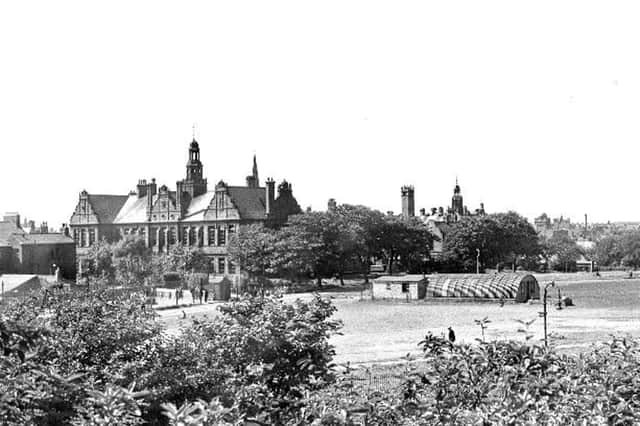
The school house was eventually taken over by a coach builder and the Mansion House itself became a school. It was still in use until the outbreak of the Second World War.
West Park Central was built adjoining the Mansion House on its east side.
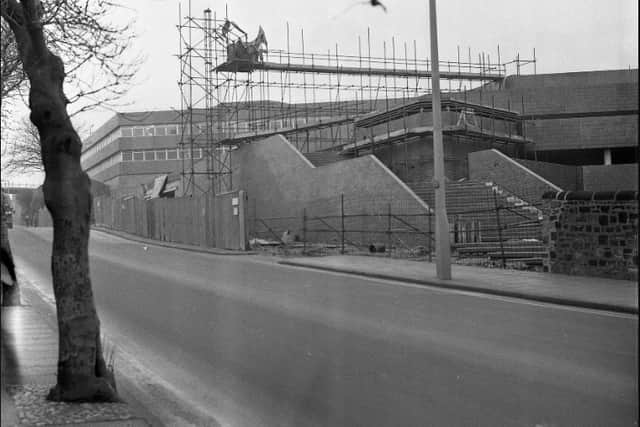
The estate was later mostly taken up by the Civic Centre.
You can also visit the Antiquarian Society’s Facebook page or its website which is at http://www.sunderland-antiquarians.org
Tell us about a moment in Sunderland history that you would like us to revisit, by emailing [email protected]