
Join in with this fantastic celebration of Sunderland heroine Margaret Dryburgh
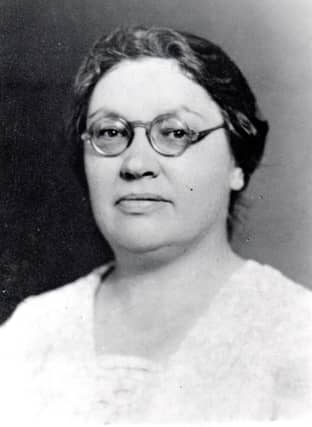

The remarkable life of a Sunderland heroine will be highlighted next week.
Margaret Dryburgh was interned in a Japanese prisoner of war camp in the Second World War.
Her legacy is felt around the world

She and fellow prisoner Shelagh Brown spent their time in the camps throughout the island of Sumatra creating an orchestra.
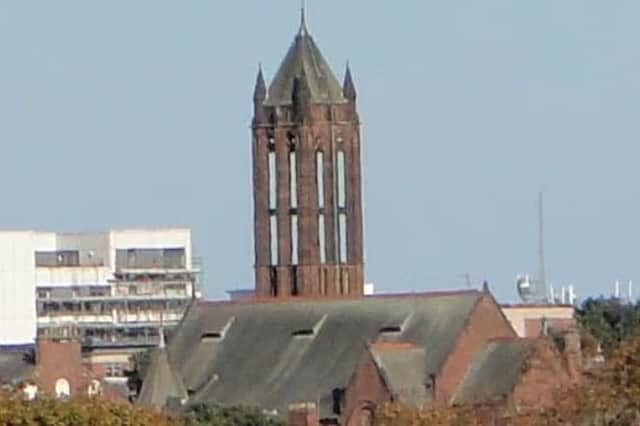
Her life story will be explained during the event at Stockton Road United Reformed Church on Saturday, July 19.
The event from 12pm to 3pm is part of the #Love Sunderland Heritage festival and will include a slide show about Margaret, who has been commemorated in Sunderland’s latest blue plaque which was dedicatedand placed on the outside of church last month.
Find out more about Margaret’s life
The slide show will talk about her life from her birth in Sunderland, then as a teacher at Ryhope Grammar School, before becoming a missionary in Swatow in south-east China.

In 1927, Margaret moved to Singapore. As well as being the principal of the Presbyterian girls’ school, she was much involved with the work of the Church, especially using her musical talents in training choirs.
Margaret organised Bible classes and services and kept up morale by forming a ‘vocal orchestra’ for concerts. She also edited the camp newspapers and staged plays which she wrote.
‘She was an inspiration to us all’
A fellow internee recalled that “she was an inspiration to us all. Contact with her meant a real quickness of spiritual, mental and intellectual life. Many of us would have given up and died without her”.
In one of the camps Margaret wrote The Captives’ Hymn which was sung every Sunday. It is still sung throughout the world and featured in the official commemoration of the 75th anniversary of VJ Day.
Margaret died in internment in April 1945, but her inspirational work is still remembered today.
The church event will also include other commemorations of Margaret – including on the World War II Memorial and in a glass pyramid sculpture installed in 2001, as well as other features of this historic building, such as the stained glass windows.