
The family who found out their ancestor was one of Sunderland's biggest footballing legends
‘A really special moment and a lovely way of connecting six generations of our family’
Two generations of a Wearside family were fascinated to find out about an ancestor who was a true SAFC legend.
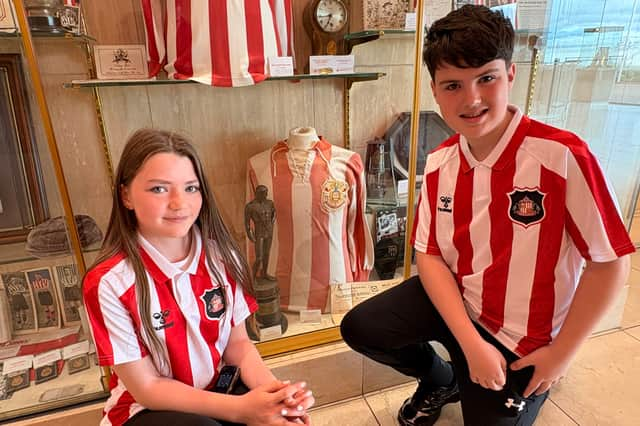

Graham Low and his children Max, 14, and Jessica, 12, have spent the Summer looking into the background of wing half Harry Low.
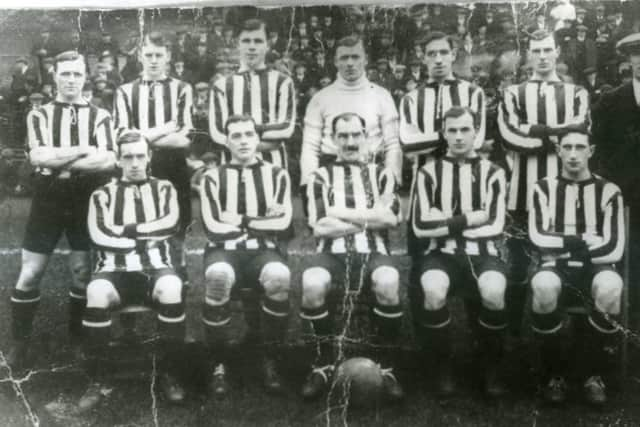
Sunderland-born Graham, who now lives in Seaham, said: “Harry played for Sunderland between 1907 and 1918. During that time he won the First Division title, played in the 1912/13 FA Cup Final and was part of the team that beat Newcastle 9-1 at St James' Park in 1908.
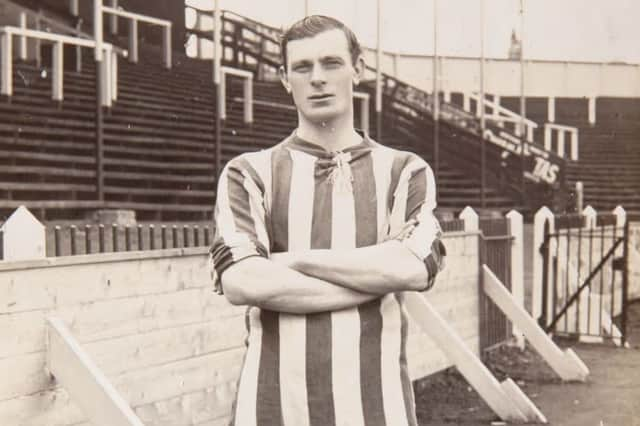
“One of the most interesting things I've discovered is that during the 1912/13 season he was selected to play for Scotland against Ireland. However, he chose to withdraw from the squad so he could play for Sunderland in the FA Cup Semi Final against Newcastle, which Sunderland won 3-0. Unfortunately, after turning down the call-up he was never selected for Scotland again.”
The family’s interest was stepped up when Max and Jessica had their photo taken next to Harry’s Sunderland shirt from the 1912 FA Cup final which is on display in the main entrance of the Stadium of Light.
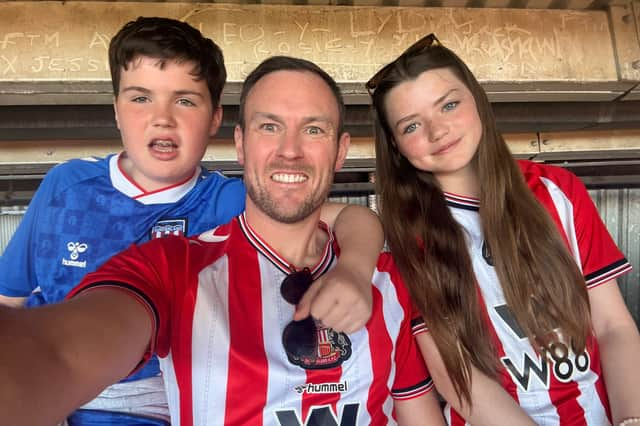
Graham added: “Seeing the kids standing next to it in the new Sunderland kit was a really special moment and a lovely way of connecting six generations of our family with Sunderland AFC.

“Max and Jessica, became fascinated by their great great grandfather. They've been asking lots of questions and even started doing some research themselves, so it's turned into a bit of a family project.”
Previous Sunderland Echo stories, which we ran in conjunction with Sunderland Antiquarian Society, showed that Harry joined Sunderland from Scottish football.
Aberdeen-born Harry started his career at local club Orion in 1901, signed as a professional with Aberdeen in 1903 and transferred to Sunderland in May 1907.
His Black Cats debut was a 5-2 drubbing by Manchester City but he would go on to win the league with the Black Cats.
He served in the Royal Navy during World War I and he took over as the landlord of the Fort Hotel in Roker Avenue after returning home and retiring from football in 1919.
Echo archives also show that Harry was only in his late thirties when he died in 1920.
We would love to hear from people with a fascinating family history. Get in touch and share your stories by emailing [email protected]