
The fishwives who worked tremendously hard to make a living in Sunderland and South Tyneside
The fishwives of Sunderland and South Shields were made of stern stuff back in the day.
They were people who made a living in one of the toughest ways possible and deserve plenty of praise for doing it.
They were recognisable by their distinctive wicker baskets, or creels, which they carried on their heads or backs, and they plied their trade through the streets of "old Sunderland" from the 19th century until their numbers dwindled in the 1950s.
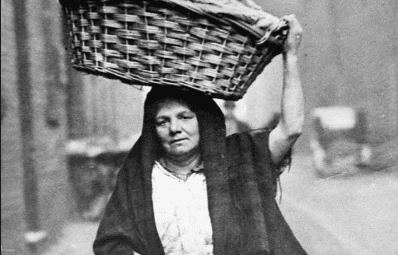

Among them was Maggie O’Hare who could still carry a basket full of fish on her head and was doing it when she was 80. She lived in Harrison’s Buildings at the bottom of High Street East and had been plying her trade since she was 10 years old.
She spoke to the Sunderland Echo in 1954 and said: “There’s no wind, rain or snow can keep me away from the market,”
She was married twice, had ten children, twenty grandchildren and 27 great grandchildren, and said the secret to her long life was plain living.
“I can eat half a loaf of bread and butter with a pint of beer for my supper.”

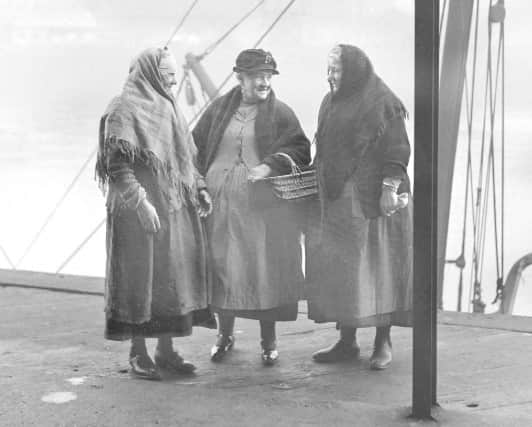
Some of the other well known Sunderland fishwives were Anne Crane and Dorothy Maddison and all three were pictured discussing the weather in a fine Sunderland Echo photo from 1939.
One legendary tale from Wearside history comes from the time of Queen Victoria’s Golden Jubilee in 1887. A group of Sunderland fishwives held a tea party with a difference in the city’s east End.
Instead of brightly coloured flags, the women made bunting from crabs, herrings and other fish which had been landed at the nearby docks.

On South Tyneside, the most famous of the fishwives was Dolly Peel who was a fishwife by trade but was also known for much more.
During the Napoleonic Wars, she famously snuck on board a Royal Navy ship to stay with her press-ganged husband and son. Her dedication as a nurse to wounded sailors on board earned her a pardon and the release of her family.
She was also known as a smuggler of tobacco and lace, often outsmarting customs officers, and was a vocal opponent of the "press-gangs" that forcibly took local men for naval service.
A bronze statue of Dolly Peel stands on River Drive, looking out over the Tyne and the Dolly Peel pub, on Commercial Road, honours her name.
Tell us about the nostalgia you would like us to feature by emailing [email protected]