
Sunderland MP puts pressure on authorities to do more to rid our beaches of poisonous nurdles
A Sunderland MP has urged authorities to “scale up” the response to a major plastic pollution incident.
It is believed around 25 tonnes of toxic pellets, known as nurdles, spilled into the River Tyne after two ships collided at the Port of Tyne in South Shields on July 19.
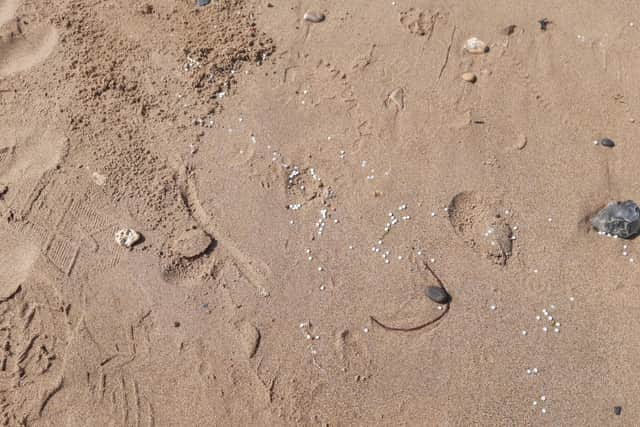
Used as a raw material to manufacture most plastic products, nurdles have been washing up on beaches in the region ever since – including at Roker and Seaburn – and several organisations and volunteers have been working to scoop them up.
More than one billion individual pellets are estimated to have spilled into the river and North East Mayor Kim McGuinness has called on the two ship owners to foot the costs of the clean-up.

Councils across the North East have been working closely with partner organisations, including the Environment Agency, the Maritime and Coastguard Agency and Port of Tyne, to assess the situation and support efforts to remove the pellets.
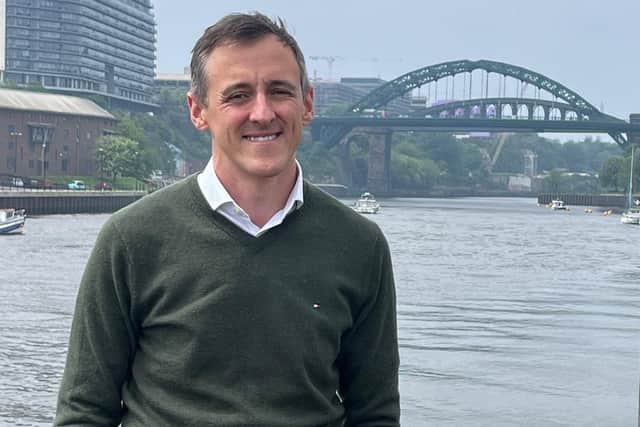
But in a statement posted on Facebook, Sunderland Central MP Lewis Atkinson called on authorities to “scale up” their response.
He said: “While these plastic pellets are non-toxic and any risks to public health are considered to be very low, pollution on this scale along the North East coast is a potential disaster for the environment and marine life.
“I expect the scale and urgency of the response to match that seriousness.
“In light of this, I have been in touch with both the Environment Agency and Sunderland City Council to urge the response to be scaled up. Put simply, every time a nurdle is washed ashore, then it should be cleaned up promptly before the tide comes back in.”
He went on to say the ‘polluter pays’ principle was firmly established in law, and the mayor was right to say the ships’ owners needed to meet the cost of the large-scale response.
He added: “Local taxpayers are not and cannot be liable for clean-up costs. I cannot therefore see any reason why the level of response should not be all-out.”
Mr Atkinson acknowledged Sunderland City Council had deployed staff and was responding to all reports of nurdles submitted by the public, and thanked all those involved for their work so far.
But he added he had asked all involved in the incident response to ensure public messaging was “updated and consistent”.
Anyone who spots any plastic pellets on Sunderland’s beaches or shoreline are asked to report them at https://www.sunderland.gov.uk/40713.
When reporting a sighting, members of the public are asked to include the location, date and time of discovery, approximate amount of pellets seen and a photo where possible.
Sunderland City Council and the Port of Tyne were approached for comment.