
Campaign group suffers blow in bid to save the National Glass Centre building

The National Glass Centre closed to the public at the end of July
The Save the National Glass Centre (NGC) campaign group has suffered a blow in its bid to save the building after Historic England recommended the building isn’t given listed status.


Campaigners applied for listed status which, if granted, would have provided legal protection against demolition. The building’s custodians, the University of Sunderland, countered the application with a submission of a Certificate of Immunity (COI) request.
A COI is valid for five years during which a building could not be listed or protected from demolition through a Building Preservation Notice.
Historic England confirmed it recommended the building is not suitable for listing and for a CIO to be issued.
A Historic England spokesperson said: "We appreciate the high public interest in the future of this building and how the NGC had a link to Sunderland’s glass-making heritage.
"While it’s an interesting example of late 20th century design, the key design concept of the roof plaza was never fully realised and this has a significant impact on the building's overall interest in a national context.
"After completing an assessment of the building's interest, we recommended to the Department for Digital, Culture, Media and Sport (DCMS) the building didn’t meet national criteria for listing and a COI should be issued. DCMS have agreed with our advice."
Whilst “disappointed” with the outcome, campaigners have vowed to challenge the decision.
Save the NGC campaign group chair Carolyn Basings said: “We’re disappointed Historic England’s recommendation is the NGC should not be added to the List of Buildings of Special Architectural or Historic Interest and a COI should be issued for the building.
“We’d like to remind the University that it was the Twentieth Century Society that applied for the NGC to be listed. We trust them as a highly regarded, longstanding organisation who’ve not only worked tirelessly to save our country’s built heritage, but, as one of the six expert National Amenity Societies, are statutory consultees on alterations to listed buildings.
“We’re confident the C20 Society would only have made an application for listing when they were sure about the architectural merit of the NGC.
“We welcome the opportunity to clarify the factual content of the report and to highlight how closely the NGC meets Historic England’s criteria.”
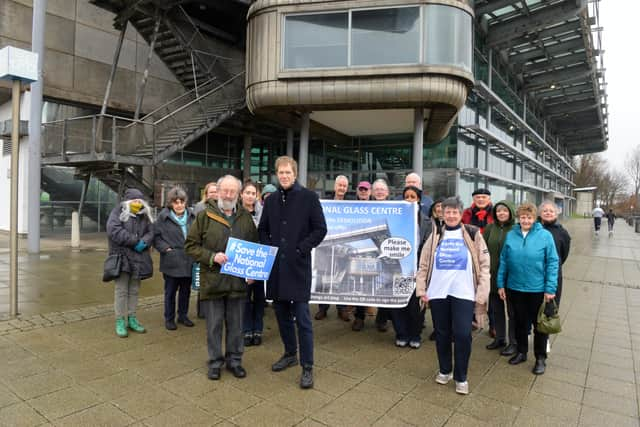
Historic England works alongside the DCMS. A DCMS spokesperson confirmed receipt of the recommendation and that it was concluded the building was not suitable for listing, but stressed there is a 28 day window for a COI review request and “the certificate will not be issued until the conclusion of any such review”.
A spokesman for the University of Sunderland said: "The University notes the decision by the Secretary of State for Culture, Media and Sport not to grant listed status to the former NGC building and acknowledges indication that a COI from listing may be issued.
“This confirms the University’s view the building would not meet standards required for listed status.
“We are aware there is an established process for representations and any subsequent considerations. The University will respect due process on this matter, as it has done throughout on everything to do with the former NGC building
"As the owner of the site, we will continue to ensure it complies fully with all planning requirements, regulations and guidance”.
The C20 Society has confirmed it is challenging the decision.