
"A daily issue and responsible for half of behaviour problems" - city heads react to U16s social media ban

“A lot of the problems which comes into school is from the inappropriate use of social media”
School leaders in Sunderland have welcomed the prime ministers announcement that Under 16s are to be banned from social media, with one leading educationalist saying saying they see its negative impact on a “daily basis”, and another labelling it as being “responsible for half of behaviour issues” experienced in schools.

Prime Minister Sir Keir Starmer confirmed this morning (June 15) that legislation banning under 16s is expected to come into force by Spring 2027.
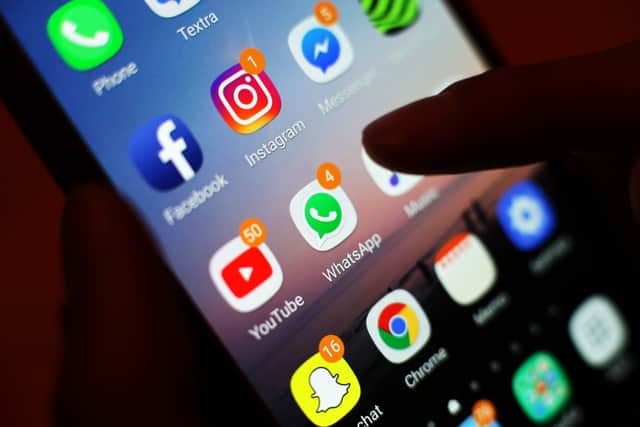
The ban is currently expected to stop children from using Snapchat, TikTok, YouTube, Instagram, Facebook and X. Under current plans, under 16s will still be allowed to use WhatsApp and Signal.
Making the announcement in a televised statement, the prime minister said: “A full ban is the right choice and I am not prepared to compromise on the safety and happiness of our children.”
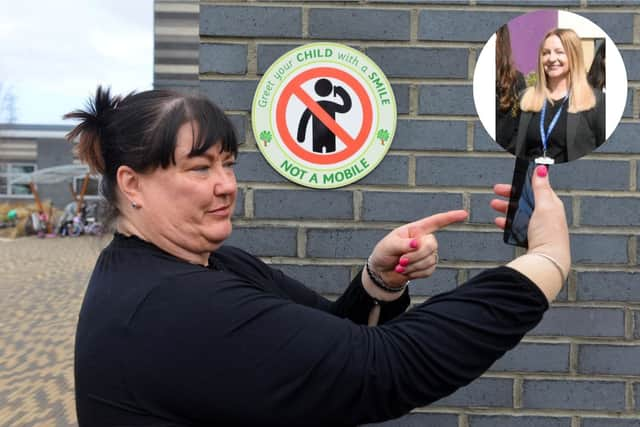
One headteacher who welcomes the move is Willow Wood Community Primary School headteacher Lindsay Robertson, who earlier this year (2026) ran a successful digital detox weekend for children and parents at Derwent Hill, and has banned parents from using their mobile phones on school premises while picking up and dropping off their children, with signs around school relaying the message ‘Greet them with a Smile not a Mobile’.
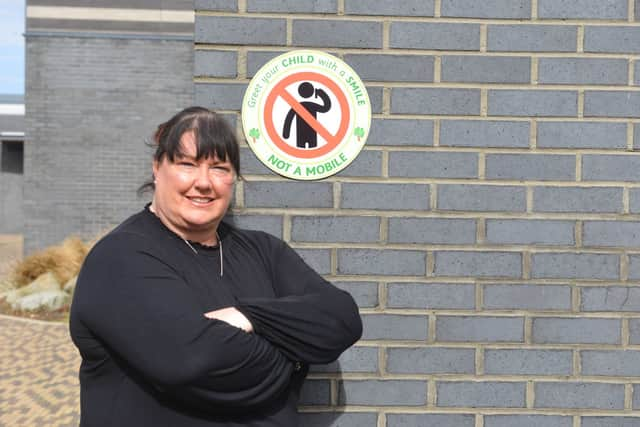
Speaking to the Echo about the decision, Ms Robertson said: “I whole heartedly agree with this decision and I don’t think you will get a single head teacher who disagrees.
“This isn’t just a problem in secondary schools. We’ve got children in our school with better phones than the staff have.
“Half of the behaviour problems we have to deal with in schools stems from issues such as cyber bullying on social media. Children sat behind their keyboards or phones in their bedrooms will exhibit very different behaviour and say things they wouldn’t say face to face.
“When children send messages or post things in social media, I don’t think they recognise the impact in the same way as saying something face to face, and it’s almost as if they think that message disappears.
“A lot of the problems which comes into school is from the inappropriate use of social media.”
The move has also been welcomed by Venerable Bede Church of England Academy acting headteacher Lisa Turnbull and executive director at the Northern Lights Learning Trust - which governs the school - Nikki Gibb.
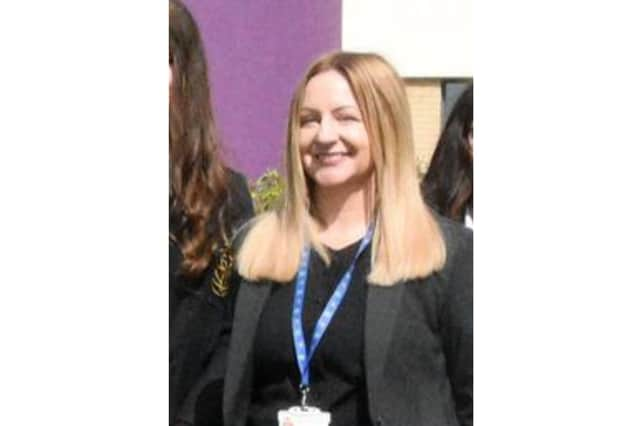
In a joint statement the pair said: “The prime minister’s announcement reflects growing concerns about the impact of social media on young people’s wellbeing.
“We see this in school on a daily basis, so we welcome this announcement. However, while stronger safeguards are welcome, we will continue to play a vital role in helping pupils develop the skills to navigate the digital world safely and responsibly.”
While the proposed ban has been welcomed, headteachers have raised concerns about how any new legislation will be policed, with Ms Robertson highlighting the role parents now need to play in not falling into the trap of “relying on digital babysitting”.
She said: “The key to success is how this is policed and parents have a key role to play in ensuring it is adhered to and not allowing their children to find ways around it. Every parents evening we give out information leaflets about the minimum age limits of Facebook and X being 13, but we know our some of our primary age children have accounts.
“We know this because staff report getting friend requests from pupils. Cyber bullying didn’t exist in my day, but it’s obviously a growing problem as schools now have a whole curriculum we teach about it.”
It’s a sentiment shared by the teaching union the NASUWT.
A spokesperson said: “Teachers see every day the impact that unregulated social media, addictive design features and harmful online content have on children’s wellbeing, behaviour and ability to learn.
“This announcement recognises the seriousness of those risks and reflects concerns the NASUWT has been campaigning on.
“However, a ban on social media for under‑16s will only be effective if it is workable and properly enforced. Schools cannot be left to police the online world or carry responsibility for failures by tech companies.”