
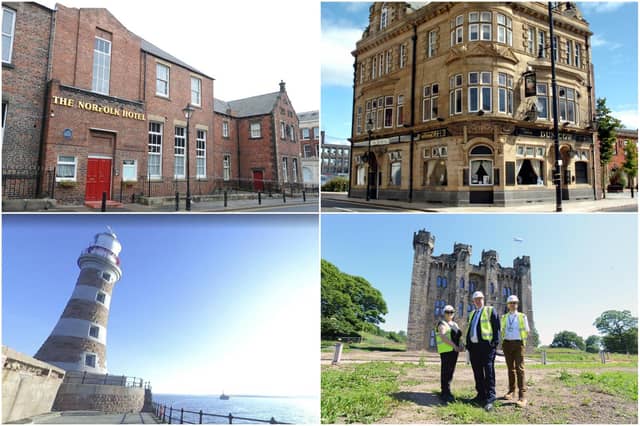

But work is also being done to preserve our historic buildings and give them new purpose. We’ve rounded up some of our old buildings which have been given new life.
Read about why preserving Sunderland’s historic buildings is so important amidst a changing skyline here.
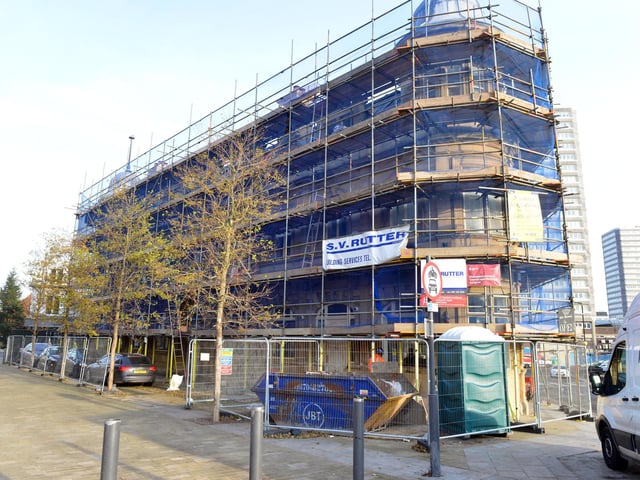
9. The Peacock is under restoration
One of Sunderland’s oldest pubs, The Peacock was bought in 2017 with a programme of internal improvements transforming the venue. The iconic Edwardian pub is now flanked by scaffolding, as vital work is carried out to restore its roof and brick work. Though many think the name is ‘new’, between 1770 and 1834 there was an inn called The Peacock - eventually renamed The Londonderry - before being knocked down. Opened in 1901, the impressive Edwardian building which has stood on the site ever since was named after a local mining magnate, the Marquess of Londonderry, but the current owner renamed it to The Peacock after discovering his family – and many others from the village they lived in – was made homeless by The Marquess, who sent a squad of impolite bailiffs to throw families and their possessions out of properties he owned in Silksworth. | JPIMedia Photo: Stu Norton
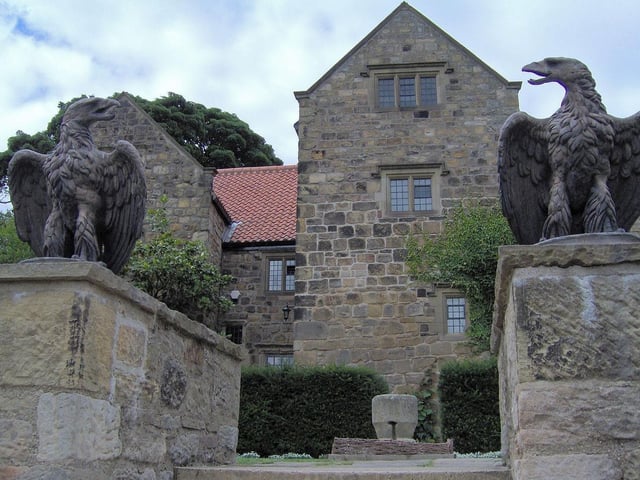
10. Washington Old Hall
The manor was the ancestral home of the family of George Washington, the first President of the United States. Construction of the old manor house, located in the centre of Washington, began in the 12th century and finished around the 17th century. It is stunningly maintained today. | JPIMedia Photo: JPI Media
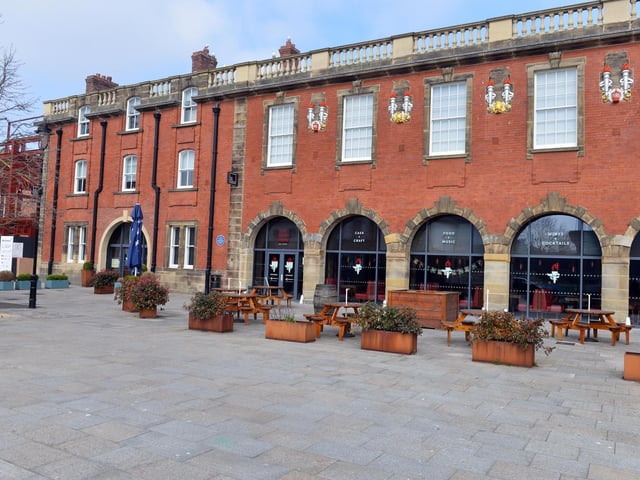
11. The Engine Room
A new £11million auditorium, currently being constructed, will stand alongside the original 1907. Fire Station, attracting local, regional, national and international artists, and giving new and emerging artistic talent a platform to shine. Led by the Sunderland Music Arts and Culture Trust, the building also houses restaurant and bar The Engine Room and dance and performance studio space. | JPIMedia Resell Photo: Stu Norton
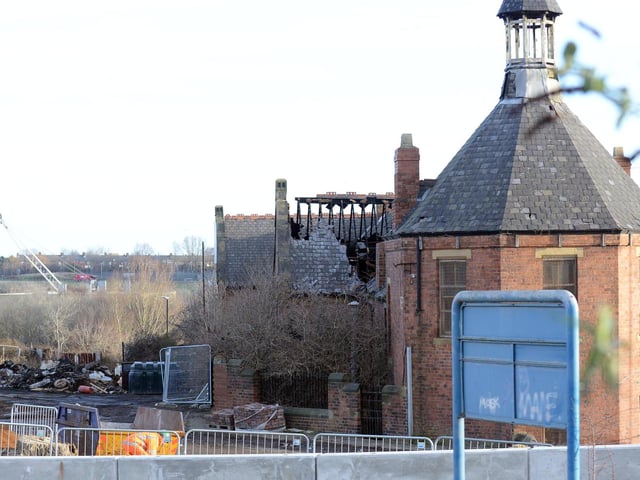
12. Simpson Street School
Opened in 1867 as Deptford Yard Church of England School, consisting of boys and infant departments. It was known as The Laing Church of England, later becoming Simpson Street Boys Board School, with a separate Simpson Street Girls Board School, created in 1884 after Sunderland School Board took control of the building. It was bought by North East architects BDN earlier this year, with plans to convert it into and office and luxury apartments, despite fire damage. | JPIMedia Photo: Stu Norton