
Look how much people spent on deck chair hire during the long hot Sunderland summer of 1976
It was the best summer for years and the deck chair hire income was huge
It was the year when we sweated and sweltered for weeks in Sunderland - and some of us had extra reason to be happy.
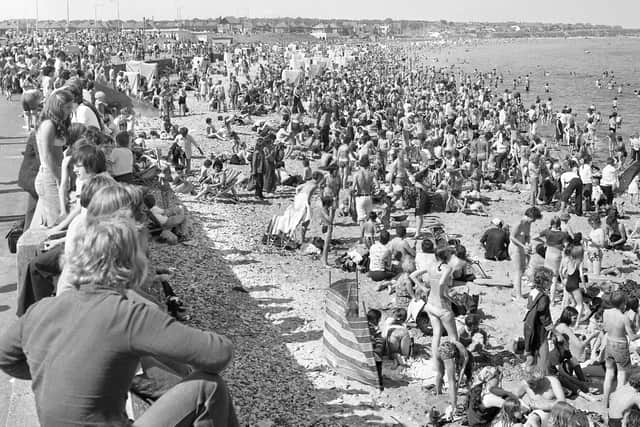

The roads may have melted, people had to cope with swarms of ladybirds and there were water shortages.
But the long hot summer meant a successful season for traders at Seaburn and Roker and just look at the figures of how much they made that year.
A Sunderland Echo report from 50 years ago said: “Holidaymakers flocked in their thousands to bask in the sunshine.
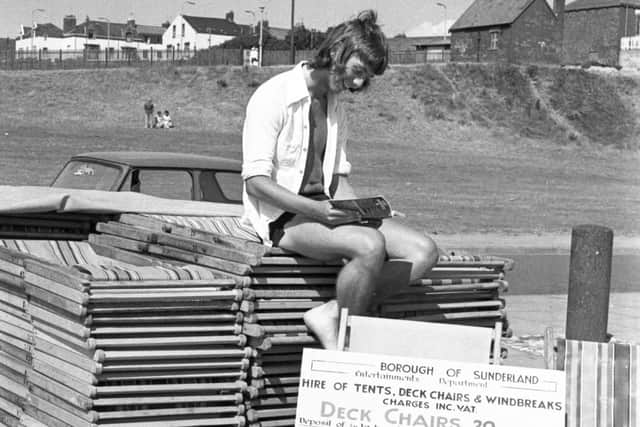
Sunderland’s Recreation Department’s takings for the hire of deck chairs, tents, wind breaks, and car parking are up by £2,000 on the same period - April to September - last year, reaching £16,380 compared with £14,000 in 1975. It meant that people spent the equivalent of £125,100 in today’s money.
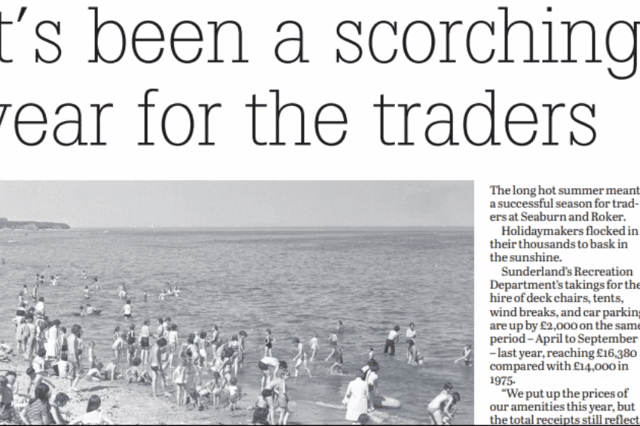
“We put up the prices of our amenities this year, but the total receipts still reflect an increase in the number of people using the resort, ” said Mr Bob Sutherland, Director of Recreation. “It has been a good summer, and we are very satisfied with the way things have gone.”
At the Bungalow Cafe at Roker, the supervisor, Mrs Elizabeth Conroy, said in 1976 that the cafe had enjoyed its best summer for years, and she had noticed more visitors than usual from Scotland.
There was a similar story at Seaburn, where Mrs Margaret Frisby, proprietor of the Popular Cafe, said back then: “This was the best season for about three years. The only thing we haven’t had are the coaches, but there is not a great deal for people to do here.”
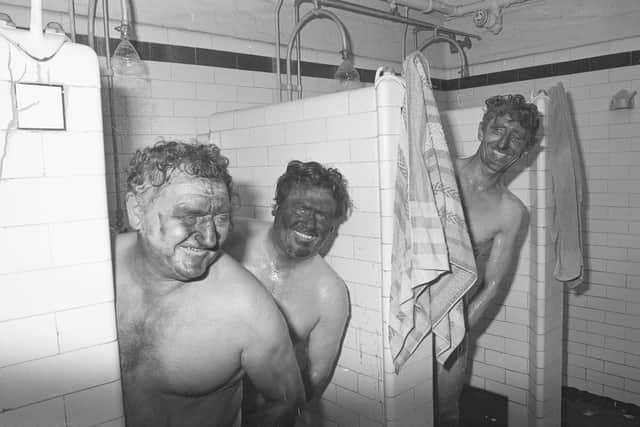
Water shortages were on everyone’s mind back then but one local pit had no worries at all.
Eppleton Colliery, the North East’s oldest pit, was one of the few in the country which was self-sufficient for its water 50 years ago.
About three-million gallons a week were being pumped from the limestone feeder in the Caroline shaft tubbing, an underground source which shows no signs of running out.
It meant the 1,300 men at the 150-year-old pit could shower to their hearts’ content and still leave plenty of water for the canteen, and for use in pit processes such as dust suppression, fire-fighting, and other priority needs.
After the heatwave, came the storms of 1976 and they were pretty dramatic.
Hundreds of motorists were stranded by floods, buildings damaged by winds which reached 90mph, and there was record-breaking rainfall.
A 62,000-ton tanker broke its moorings in Sunderland docks, and shipping was brought to a standstill as the wind and driving rain battered the harbour. Damage was severe throughout Durham County with 24 stretches of road flooded.
Tell us what you remember about the summer of 1976 by emailing [email protected]