
Sunderland flying ace hero remembered as we honour the heroes who served with courage
‘He is now recognised as an air ace and national hero’
A Sunderland historian is paying tribute to heroes from the city in the countdown to Remembrance Day.
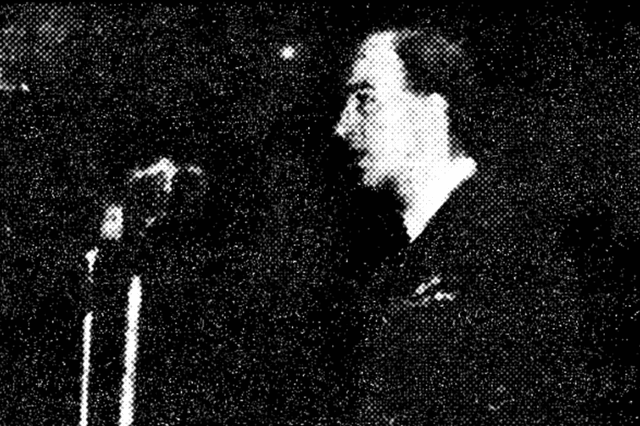

Keith Gregson has started with a focus on Joseph Robert Kayll whose Forces achievements were nothing short of remarkable.
Wing Commander Kayll was born in Sunderland in 1914 and died in 2000.
“He is now recognised as an air ace and national hero commanding many pages online.”
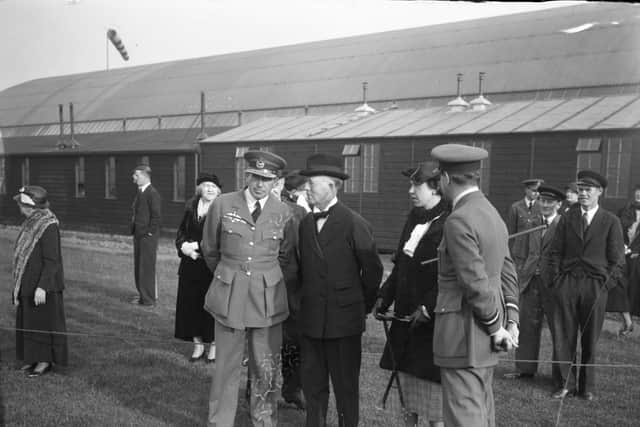
It may have all started in an understated way when he started flying at Usworth in 1934 but ‘Joe’ was straight into action as soon as war was declared in 1939.
From then on, his achievements and dramas were incredible.
“He was in command of a squadron during the Battle of Britain and credited with over a dozen enemy aircraft shot down. For these actions he was given the DFC and DSO personally by the king,” said Keith.
“He was promoted to wing commander in 1941. In July of that year, he was shot down and made prisoner in Germany. It was said that the Germans knew all about him – even that he played rugby!”
In fact, Joseph himself explained more in a chat with the Sunderland Echo in 1999.
He told how, after his discovery by soldiers as he lay hidden in a field of peas, he was taken to a German camp to be only to discover that the interrogation officer - Hauptmann Eberhert - knew all about him from reports in the Echo!

“He escaped once but was recaptured and soon became the escape officer involved in the famous ‘Wooden Horse’ venture turned into a feature film in the 1950s. For his efforts as a POW, he was awarded an OBE in 1946.He devoted most of his later life to Sunderland Yacht Club which he founded.”
Keith has extensively researched the sacrifice which was given by members of the Ashbrooke Sports Club in the two world wars.
100 members of the rugby club served their country and to a man, they joined up for the fight in one fell swoop in September 1914
He spent four years researching the topic and found that;
Six sets of Sunderland brothers died in World War 1.
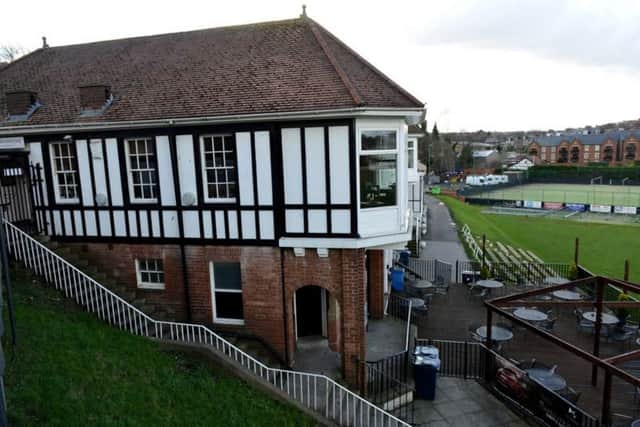
More than 80 cricketers served their country from the Ashbrooke club. Yet when they all went to serve, five of them died in the same battle, and while serving in the same battalion. (And among them were two men who lived next door to each other).
100 members of the rugby club served their country and to a man, they joined up for the fight in one fell swoop in September 1914. Their number included international players, as well as a British Lion and a Barbarian.
30 men from the Ashbrooke tennis club went to war and that included county players as well as one national and international star.
18 players from Ashbrooke’s hockey club signed up including an international, a North of England captain and 11 who received some form of recognition for bravery during the conflict.
But as well as those who gave their lives between 1914 and 1918, the Ashbrooke toll was high in World War II as well.
Nineteen men lost their lives and they were aged from 19 to 42. The youngest was Harold Milburn who was an RAF Flight Lieutenant and the oldest was Chief Engineer Thomas Shacklock.