
New electric lorry charging zone to boost Sunderland Nissan's push for greener transport
Plans for an “electric HGV charging station” at the home of Nissan on Wearside have taken a step forward, following a decision by council development chiefs.
Sunderland City Council’s planning department has approved an application for the Nissan Motor Manufacturing (UK) Limited Plant in the Washington area.
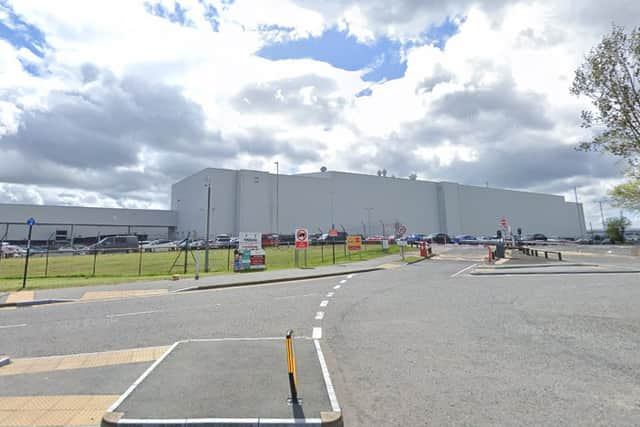

Planning documents said the “electric HGV charging station” would “serve to benefit the day-to-day commercial operations at Nissan”, with both dual and single charging units capable of charging up to 10 HGVs at the same time across two locations.
A planning statement submitted to council officials said there would be “no additional vehicle movements in and out of the Nissan site”.
Those behind the scheme added that “the intention is that existing diesel HGVs would be replaced by the electric vehicles” and noted the new EV charging station would have several benefits.
This included “supporting the transition to a low carbon future in a changing climate” and “supporting a form of renewable and low carbon energy and associated infrastructure.”
After considering the planning application and assessing it against planning policies, Sunderland City Council’s planning department approved it on April 16, 2025.
Council planners noted the site was previously subject to an approval for a “66/11kV substation and associated infrastructure” but added that the planning permission “has not been implemented”.
It was noted that the new application for an electric HGV charging station saw no public representations or comments during a council consultation exercise.
There were also no objections from council departments on highway and environmental health grounds, and no concerns were raised about noise.
Council planners, in a decision report, said the plans would “serve to benefit the day-to-day commercial operations at Nissan” and were linked to a council policy aiming to “support proposals for decentralised, renewable and low carbon energy”.
It was noted that the works would “not result in any demonstrable increase in comings and goings from the site”, and that measures were planned to mitigate ecological impacts, including the creation of a “butterfly bank” habitat and “nesting bird checks”.
The council decision report said that “proposed post-development onsite habitats” would be secured by conditions, and that a proposed strategy for meeting ‘biodiversity net gain’ “appears to be sound, and no objection is offered”.
Planning documents also confirmed the council’s ecologist was “satisfied that the proposals can sufficiently mitigate significant ecological effects”.
The council decision report added: “The proposed substation and associated infrastructure would accord with the relevant policies of the adopted [local plan] and, subject to the conditions recommended […] is considered to be an acceptable form of development.”
A previous planning statement from Nissan said the proposed charging station would “complement the employment function of the Nissan factory” and “support the production and use of sustainable forms of energy as part of site operations.”
Under planning conditions, the development must be brought forward within three years.
For more information on the plan and council decision, visit Sunderland City Council’s planning portal website and search reference: 24/02556/FUL