
University chiefs thank staff as National Glass Centre closes doors to public for final time

The National Glass Centre first opened to the public in 1998
University of Sunderland chiefs have thanked current and past staff at the National Glass Centre as the building closed to the public today (July 31) bringing to an end nearly 30 years of glass making at the iconic building on the banks of the Wear.
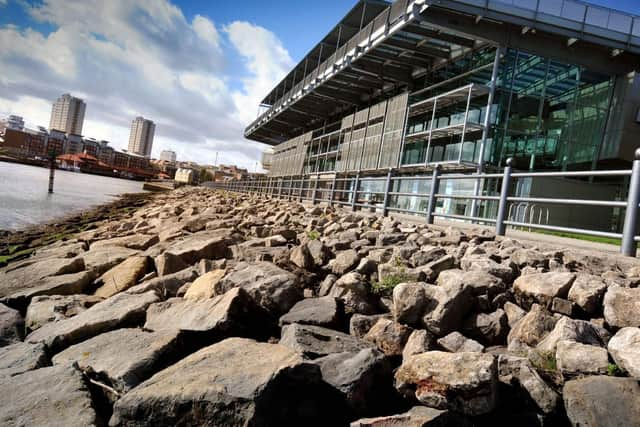

Despite the closure, the University has reaffirmed its commitment to the city’s culture and heritage and has offered free specialist equipment to any future glassworks development.
A spokesperson said: "The National Glass Centre (NGC) was closed to the public today (July 31).
"The University would like to place on record its sincere thanks to the staff who have worked at the National Glass Centre over many years.
"The University is gifting for free any specialist equipment currently in the NGC which Sunderland Culture would like to use in the planned Glassworks project or to establish interim glassmaking facilities for artists.
"While the closure of the building marks the end of an important chapter, we remain committed to supporting cultural, educational and civic activity across Sunderland."
The decision to close the NGC has proven to be a controversial one, with representatives from the Save the National Glass Centre Campaign Group gathering outside of the NGC this morning to vent their frustrations and to call for a rethink on the planned closure and demolition of the building.
Responding to the protestors, a University of Sunderland spokesperson said: "Despite a range of conversations with individuals and organisations, no feasible plan emerged to meet the significant financial requirement for capital works, or the £800,000 annual subsidy funded by the University, required to provide the NGC with a viable future.
"Throughout the process, the University has been clear that almost 90% of its income is derived from student tuition fees. In a period of significant financial challenge across the higher education sector, our priority has been to protect teaching, research and knowledge exchange activities for current and future students.
"The University has remained committed to transparency in its decision-making and this will continue as we move forward, following all planning requirements in relation to the planned demolition of the building.”