
I was a teacher for 18 years and this is why I whole heartedly agree with U16s social media ban

“It was my first experience of ‘cyberbullying’, but it certainly wasn’t to be my last”
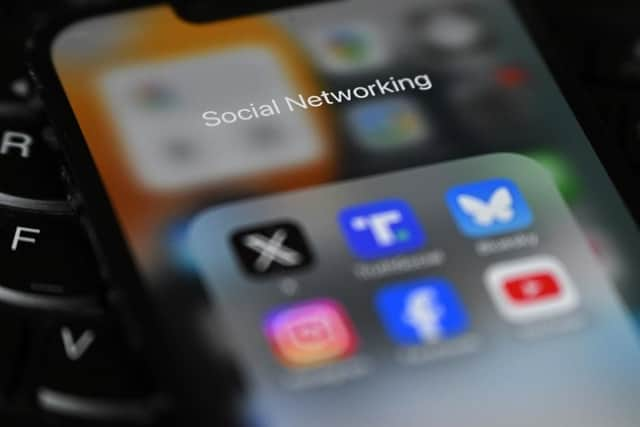
Yesterday (June15) the city’s school leaders welcomed Keir Starmer’s announcement that children under 16 are to be banned from using social media, including Snapchat, TikTok, YouTube, Instagram, Facebook and X, with one headteacher labelling it as responsible for “half the behaviour problems in schools”.
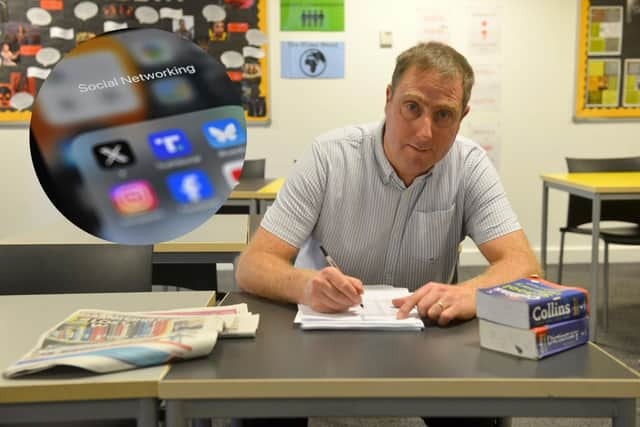

Whilst it’s difficult to put a numerically value on it, it’s certainly fair to say the impact and influence of social media was becoming an increasingly significant issue during my 18 years working as a teacher.
When I started teaching back in 2000, pupils owning mobile phones - the most common way children access social media - was still very much the exception, rather than the rule, and non of the aforementioned social media platforms mentioned even existed.
By the time I was last a classroom teacher back in 2018, almost every child owned a phone - generally better than mine - and was using social media - mainly Facebook and what was then known as Twitter.
I remember one lunchtime heading back to my classroom to find one of my tutor group’s Year 10 students sat at the door in tears about comments posted by other students on social media in relation to party that pupils had been to which had been shared with other students, including from other schools.
The girl was distraught with the fact personal information had now been distributed to a digital audience. Wherever you have teenagers and children, despite the best efforts of schools, you will inevitably have some degree of disputes, friction, name calling, and dare I say it, bullying.
The difference being what at the start of my career could be managed within the confines of a classroom or school, at the click of the button can now be multiplied to a whole new scale of digital participants with all the harmful ramifications this can bring to the young victim.
It was my first experience of ‘cyberbullying’, but it certainly wasn’t to be my last.
For many would be bullies, social media offers the opportunity to post messages without being able to see the immediate impact on the victim, offering a sense of security but also preventing the perpetrator from seeing first-hand the damage it can cause.
Throughout 17 years working in various roles in schools, social media was behind a number of potentially damaging situations including the obvious dangers of children and teenagers posting personal information and images on platforms viewed by adults.
After one particular incident we had the local police force visit the school to warn of the dangers posed by potential online predators.
As children owning mobile phones became more common, so too did the issue of conflict between pupils and teachers over having them out in lessons. Accessing social media for messages or posts, or looking at inappropriate unfiltered content, simply became another reason to tempt pupils to have quick glance during lessons and the inevitable stand-off when which came when asked to handover what had become the most personal of items.
During my time in teaching I went from social media not even existing to a whole curriculum being introduced on cyberbullying and online safety.
One of the key messages was the danger of young people leaving a digital footprint they may come to regret, particularly in years to come when looking for employment.
Like all aspects of the life of teenager, some youngsters may well be able to use social media responsibly and with a level of maturity, but there are undoubtedly many who can’t, and it’s to protect these vulnerable individuals that I whole heartedly agree with the proposed ban.
However, the key will be how any new legislation is policed, with parents having a vital role in ensuring any inevitable loopholes aren’t exploited.
It certainly shouldn’t be left to schools to bear the burden of enforcement and policing social media use.
As a late forties adult male, I realise I’m one of the exceptions in not using social media in my personal life, but I understand the appeal it may have to some people.
I personally have no interest in publishing my personal life across the internet, nor am I particularly interested in seeing what the latest Tik Tok sensation had for tea.
But if I did, I would be doing so with the maturity of being an adult and an awareness of the ramifications and consequences.
If people wish to do so, that is their prerogative, but, like pubs, night clubs, smoking and drinking alcohol, it’s a decision which should be taken by people who are fully aware of the consequences and have the maturity to deal with it.
During an 18 year career in the classroom I honestly can’t think of one positive benefit I experienced from children using social media.
I know yesterday’s announcement may be seen by some as excessive, and indicative of a ‘nanny state’ mentality.
But if you have any doubt, then just ask Louise Gibson, whose 11-year-old son is believed to have died after an alleged Tik To challenge gone wrong, or Mariano Janin, whose 14-year-old daughter Mia took her own life after being bullied online.