
Fans Museum officially opens the Bobby Kerr Dementia Centre to help support other sufferers in city

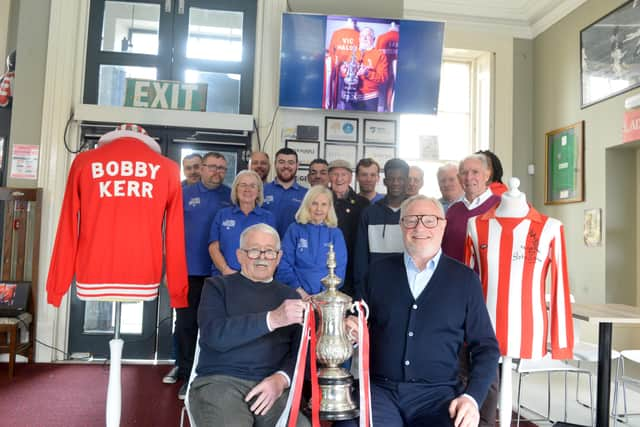
The Bobby Kerr Dementia Centre was unveiled on the same date and time that Bobby lifted the FA Cup
“Bobby gave his memory so we can have ours” - the words of Sunderland Fans’ Museum founder Michael Ganley after the opening of The Bobby Kerr Dementia Centre.

For over a decade, the museum has supported people with dementia through its outreach programme taking Sunderland AFC and football related memorabilia to sufferers in hospital and the community to help stimulate their memories of the past.
The new centre will now provide a dedicated support space at the museum for people living with dementia and their families in Sunderland.
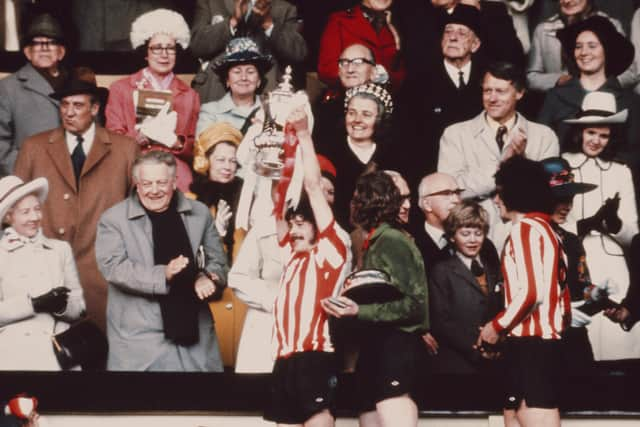
The new facility was unveiled at 4.40pm today (May 5), the exact moment the final whistle blew in 1973 when Sunderland AFC, captained by Bobby Kerr, lifted the FA Cup and gave hundreds of thousands of people one of the greatest memories in the city’s history.
Michael said: “Football has given people memories that last a lifetime. This centre is about giving something back, helping people hold onto those memories for as long as possible, and supporting families through one of the toughest journeys they can face.”
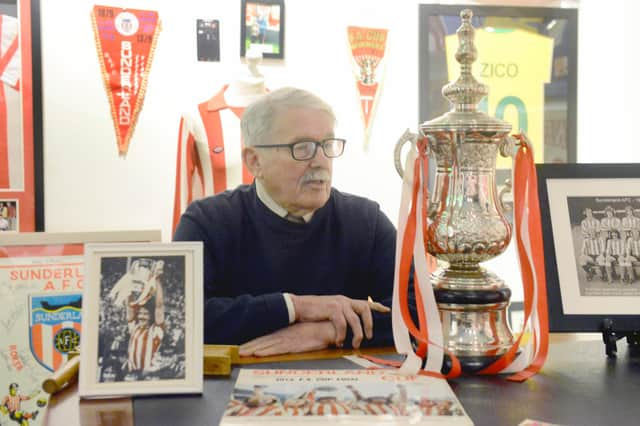
Bobby, 78, made 368 appearances for the Black Cats during a 12 year career at the club, but was sadly diagnosed with dementia three years ago.
Research carried out by the University of Glasgow in conjunction with the Football Association and the Professional Footballers’ Association shows former professional footballers are 3.5 times more likely to die from neurodegenerative disease, including dementia.
The study showed increased risk was specific to outfield players, rather than goalkeepers, “strengthening the evidence that repeatedly heading the ball was the likely cause”.
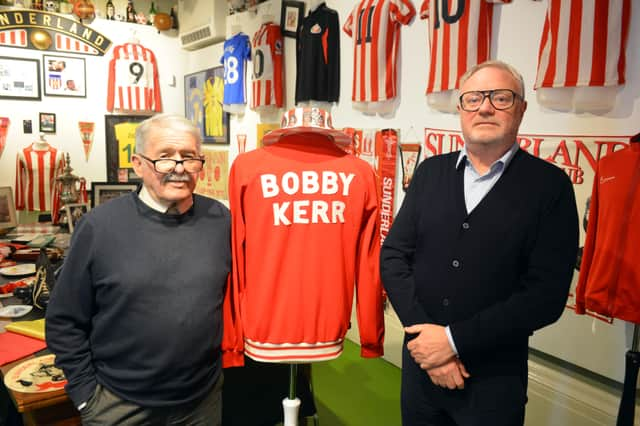
The centre will initially be open three days per week on Mondays, Wednesdays, and Fridays.
Michael said: “Bobby is going to be here three days a week and I’ve already been approached by three former players who want to get involved.
“It will be a time for men and women to look at these artefacts which really bring memories to life and watch and reminisce about old games.
“Men in particular can be stubborn about opening up about their health, but football can bring people together and get them talking.”
The centre builds on the success of the Museum’s Memory Box Project, an outreach initiative delivering football-themed reminiscence resources to hospitals, hospices and care settings.
Michael said: “Through this work, the Museum has already demonstrated how football can unlock powerful memories and reconnect individuals with their past.
“I’ve seen first-hand how these items can bring people’s memories alive. I’ve seen people recount stories from the past which even their families weren’t aware of.
“Bobby lifting the cup is such a significant image for people of a certain age, and even younger generations who never saw him play.
“The roar of 1973 still echoes across generations. Now, it will help shape a future where no one faces dementia alone.”
Michael’s friendship with Bobby has developed into providing day to day support along with Bobby’s son James and his friends.
Bobby was at the launch of the centre.
Recalling that famous day in 1973, Bobby said: “Seeing all these items reminds me of 1973 and when it happened, it was magnificent. I’m really proud and all my friends like to remind me about it.”
The centre will be offered at a rate of £50 per day, with optional transport available for £5 and lunch provided for £5.
Anyone who would like to register an interest in attending the sessions are urged to contact Michael by emailing [email protected]