
Everything you need to know as Sunderland's beaches hit by one of Europe's worst plastic pollution incidents

The City Council are keen to stress the city’s beaches remain open
Sunderland City Council has published an official statement after plastic pellets have been confirmed as polluting the city’s beaches following an incident which has reportedly seen up to 25 tonnes of pellets, known as nurdles, released into the North Sea.
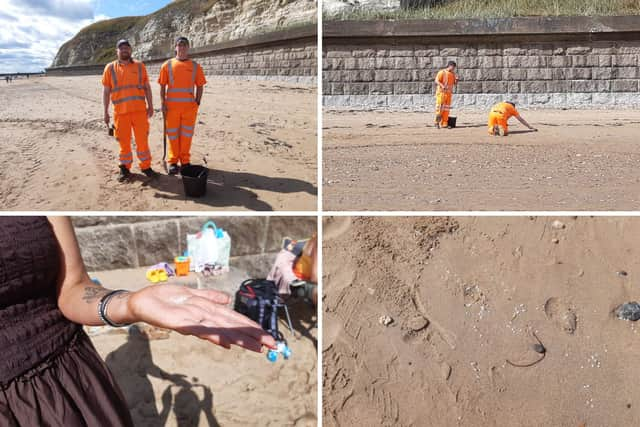

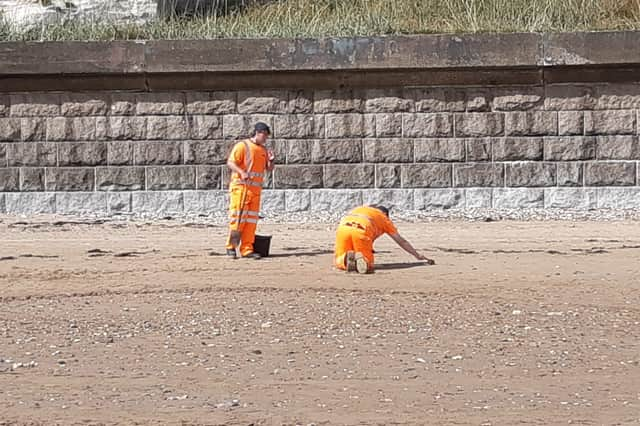
This morning (July 27), workers from Sunderland City Council could be seen on Seaburn and Roker beaches as the clean-up operation continued at low tide.
Here’s everything you need to know about the major plastic pollution incident which North East mayor Kim McGuinness has described as potentially the “worst incident of nurdle pollution in Europe”.
What has happened and who is responsible?
Up to 25 tonnes of plastic pellets, known as nurdles, are reported to have been released into the North Sea after a collision involving two shipping companies on Sunday 19 July. An investigation is underway into the cause of the collision and who is responsible.
Where have the nurdles been found?
Nurdles have been reported on sections of the North East coastline, mainly near the Tyne in South and North Shields and smaller amounts at Seaburn and Roker.
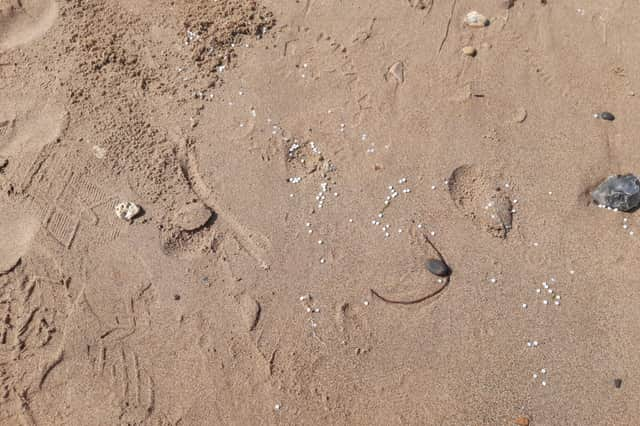
What is the scale of the incident?
The North East Mayor, Kim McGuinness has said the spillage “looks like the worst incident of nurdle pollution in Europe”.
Are the nurdles harmful to people?
Sunderland City Council have described the public health risk as “very low”. The plastic pellets are not toxic, but people are advised not to handle them. People should check the latest Environment Agency bathing water advice before entering the water. Anyone swimming in the sea should avoid swallowing sea water and seek medical help if they become ill after swimming.
Are the nurdles harmful to wildlife?
Nurdles are small plastic pellets and can spread through the marine environment. They can be harmful to wildlife if mistaken for food and eaten by birds, fish or other marine animals, resulting in the pellets spreading through the food chain. Concerns have been raised about dogs potentially ingesting the nurdles with dog owners advised to keep their dogs on leads and contact a vet if their pet eats any pellets.
Is a clean-up operation taking place and who is paying for it?
Workers from Sunderland City Council are currently deployed to clean up any of the nurdles from Seaburn and Roker beaches. Council teams are monitoring affected locations, supporting a coordinated clean-up operation with partner organisations, and working with the Environment Agency, Maritime and Coastguard Agency, Port of Tyne, neighbouring local authorities, the Mayoral Strategic Authority, specialist contractors and other agencies to assess the extent of contamination and support removal where appropriate.
The nurdle clean-up is manual and time-consuming, involving methods such as rakes, brushes, sieves and bags.
Under the UK’s Polluter Pays Principle, the organisation responsible for causing the pollution should foot the clean-up bill. An investigation is currently underway to determine the cause of the spillage. However, North East Mayor Kim McGuinness has written to the two shipping companies involved in the incident, saying they should not wait for the results of an investigation to provide cash and resources for the clean-up.
Should members of the public pick up any nurdles?
For now, people are being asked not to undertake clean-up activities alone.
Anyone who sees nurdles are asked to take a photograph and report it via the Council’s website.
Council chiefs are keen to stress that the city’s beaches are fully open.