
A big concern say Sunderland beachgoers who call on those responsible for pellet pollution to foot the bill

Parents are concerned plastic pellets could be mistaken as sweets by young children
Sunderland residents have said the pollution of Seaburn and Roker beaches with plastic pellets known as nurdles is a “big concern” and have called for those responsible to pay for the clean-up.
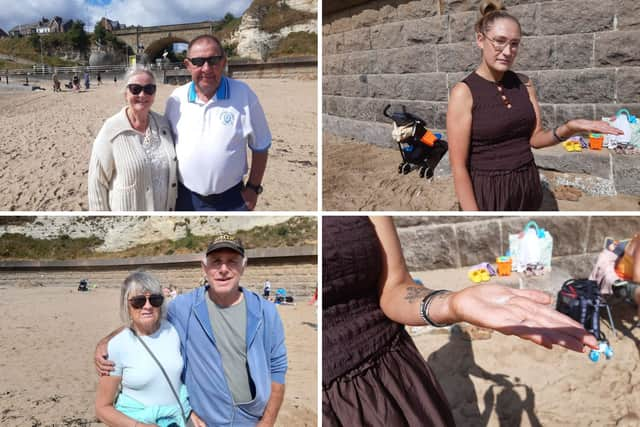

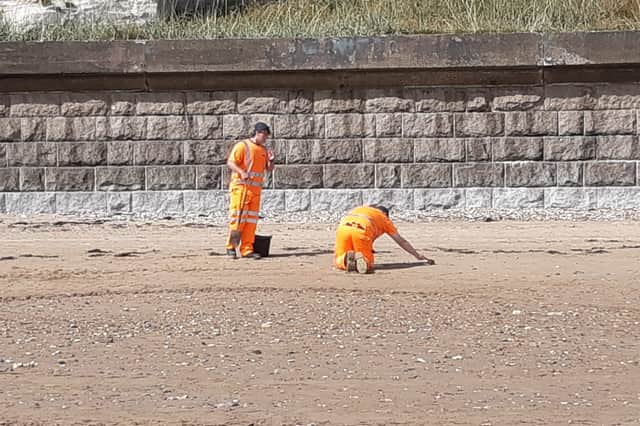
Beachgoers, including families with children and dog owners, were speaking to the Echo today (July 27) as Sunderland City Council workers were seen on the beach cleaning up the pellets.
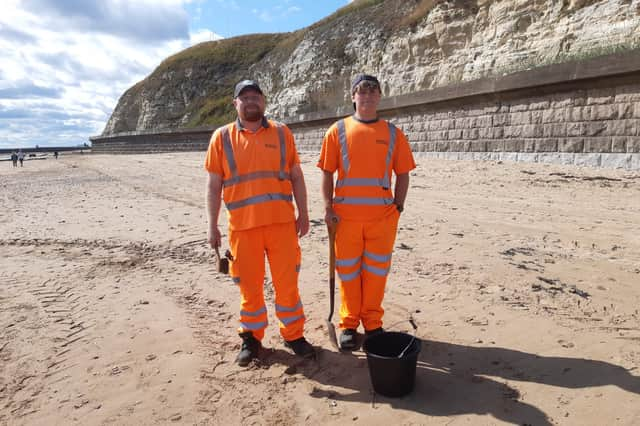
It’s believed 25 tonnes of pellets, known as nurdles, were released into the sea following an incident at Tyne Dock, in South Shields. According to the North East Mayor Kim McGuinness, the collision is believed to have involved two shipping companies, although an investigation into who is responsible is ongoing.
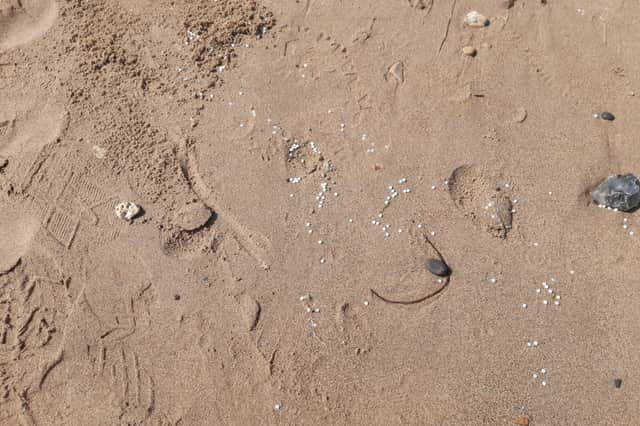
Sunderland City Council have confirmed the pellets have been found on Seaburn and Roker beaches, and pockets of dozens of the nurdles could be seen this morning at low tide as families flocked to the coast to enjoy the school holidays.
One of those was Kate Klin, 36, who was at the beach with her children.
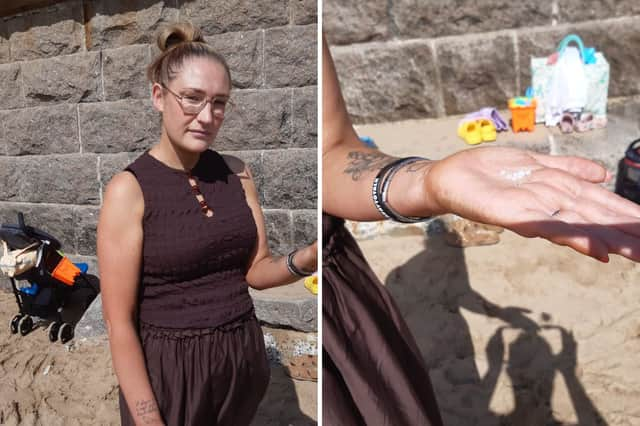
Kate, from Roker, said: “It’s the start of the six weeks holiday and this is a real concern. I’ve a baby and young children and and these plastic pellets could be mistaken as sweets.
“It’s also a problem for wildlife, which could mistake nurdles for food.”
The Council has warned beachgoers to keep dogs on leads and to contact a vet if they suspect their pet has ingested any pellets.
Deborah Purvis, 62, who lives in Seaburn, said: “I walk my dog here and I’m having to be more vigilant. It’s concerning that wildlife such as sea birds and fish could end up eating some of these pellets.”
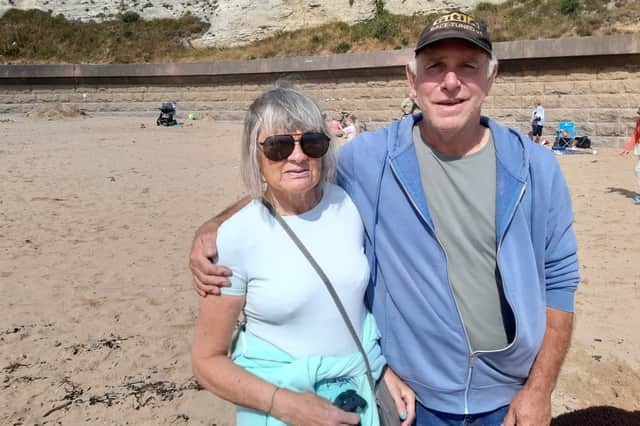
Husband John Purvis, 66, added: “It’s concerning how far these pellets seem to have travelled and it’s a worry it could have been so much worse if it had of been something like oil getting released.”
Under the polluter pays principle, North East Mayor Kim McGuinness has written to the two shipping companies involved in the incident, saying they should not wait for the results of an investigation to provide cash and resources for the clean-up.
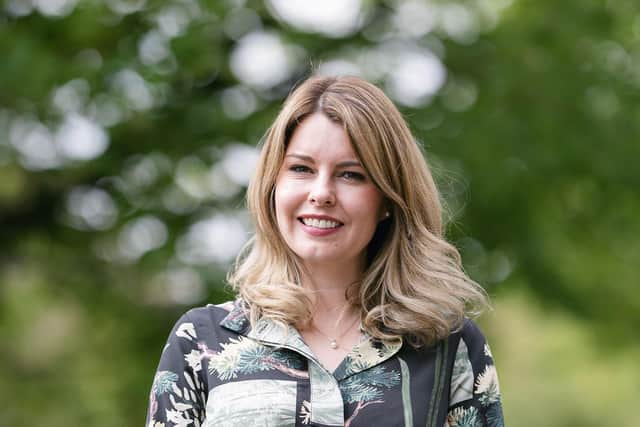
Mayor Kim said: “Sadly, it’s already clear this looks like the worst incident of nurdle pollution in Europe, and our clean-up will be long and expensive. We must start from the principle that the polluter should pay, so North East taxpayers do not end up footing the bill. I’ve written to the owners of both vessels involved in the collision on the Tyne asking them to act now, put their hands in their pocket right now and support the clean up.”
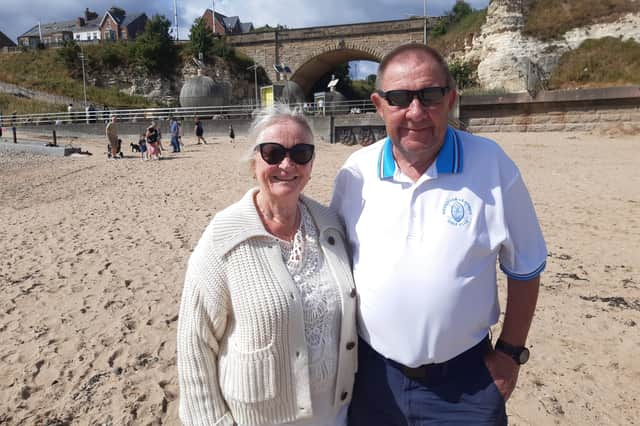
It’s a sentiment shared by Silksworth resident Bernard Munroe, 77, who said: “Accidents can happen, but this now needs to be properly cleaned up, and whoever has caused the spillage needs to accept responsibility. It’s the wildlife which ultimately suffers.”
Kate said: “Those responsible need to be held to account and foot the clean-up bill.”
Deborah added: “Whoever is responsible needs to pay for the clean-up.”
Sunderland City Council have stressed the beaches remain open to the public and that public health risks on shore are very low and the plastic pellets are not toxic.
Nurdles are tiny plastic pellets – usually between one and five millimetres in size – which are used as raw material to manufacture plastic products.