
Shaping Up: Why scale weight is a terrible way to measure your progress
For many people, the first thing they do when they start trying to get fitter is step on the scales.
They use that number to decide whether things are working or not. If the number goes down, they feel good. If it stays the same or goes up, motivation drops fast.
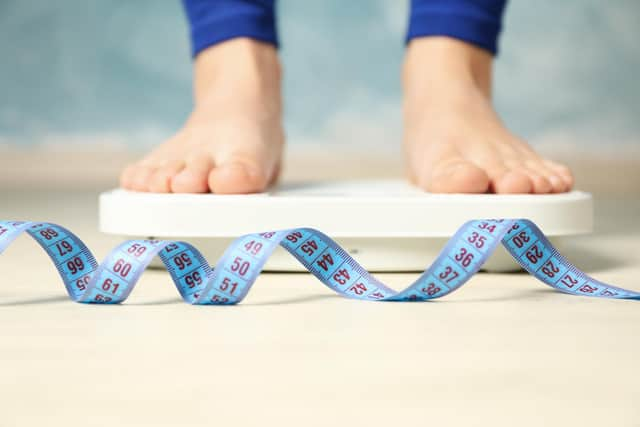

The problem is that scale weight is one of the least reliable ways to measure progress, especially in the early weeks.
Your body weight can change daily for lots of reasons that have nothing to do with fat loss. Water retention, salt intake, hormones, stress, poor sleep, digestion and even the time of day can all affect the number on the scales. You could be doing everything right and still see no change, or even a small gain.
Another big factor is muscle. When you start exercising, especially strength based workouts, your body begins to build muscle. Muscle is healthy and important, but it weighs more than fat. That means you can be getting leaner and stronger while the scales stay the same. This is one of the main reasons people give up too early.
I see this all the time. People feel fitter, move better and look different, but because the scales have not moved, they think they have failed. In reality, they are making progress in all the ways that actually matter.
A much better way to measure progress is how you feel. Are you stronger than you were a few weeks ago. Can you walk up the stairs without getting out of breath. Are everyday tasks feeling easier. These are real signs your body is adapting.
Energy levels are another big one. Many people notice they have more energy during the day and fewer crashes in the afternoon. Sleep often improves too. Better sleep supports fat loss, recovery and mood, but it will never show up on the scales.
Clothes are also a great indicator. Waistbands feeling looser and tops fitting better usually happen before weight changes. This is often the first physical sign people notice.
Mood and confidence matter as well. Exercise is not just about changing your body. It improves mental health, reduces stress and boosts self belief. None of that shows up as a number.
If you only judge progress by the scales, you miss all of this. The scales tell one small part of the story, and often the least important part.
If you are making healthier choices, moving more and building better habits, you are moving in the right direction. Trust the process, give it time, and focus on how your body is actually changing, not just what the scales say.
WORKOUT
10-minute workout
This short workout focuses on strength and movement rather than calories or scales. Just show up and do the work.
Set a timer for 10 minutes.
Complete as many rounds as you can.
10 bodyweight squats
10 press-ups or incline press ups
20 mountain climbers
10 reverse lunges each leg
Move at a steady pace and rest when needed.
Before starting this workout, I always advise a light warm up to raise your heart rate and loosen your joints.
After the workout, take a few minutes to stretch and cool down to help recovery and reduce soreness.
RECIPE
Easy chicken and pepper tray bake
Serves 2 to 3
Ingredients
4 chicken thighs or breasts
2 mixed peppers sliced
1 red onion sliced
2 tablespoons olive oil
1 teaspoon smoked paprika
1 teaspoon garlic granules
Salt and black pepper
Method
Heat the oven to 200 degrees.
Place everything in a large tray and mix well so the chicken is coated.
Roast for 35 to 40 minutes, turning once.
Serve with new potatoes, rice or in wraps.
Simple, filling and full of flavour.