
Shaping Up: Training for the Great North Run? Don't forget recovery
The Great North Run is getting closer, which means thousands of people across the North East are building up the miles.
If you are one of them, firstly, well done.
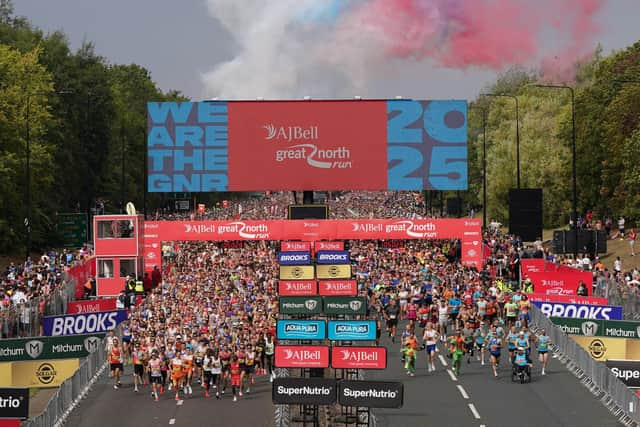

Training for a half marathon is a brilliant achievement, whether your goal is to finish, beat a previous time, or simply enjoy the day.
But there is one part of training that many people forget – recovery.
Most runners spend plenty of time thinking about how far they need to run next. They plan their long runs, buy new trainers, and track every mile on their watch.
What they often forget is that your body gets stronger when it recovers, not while you are running.
Every run places stress on your muscles, joints, and tendons. Recovery gives your body time to repair itself so you come back stronger for your next session.
That is why rest days are not a sign of being lazy. They are part of the training plan.
Sleep is another big one.
A good night's sleep helps your muscles recover, replaces energy, and prepares you for your next workout. If you are training hard but only sleeping a few hours each night, you are making things much harder than they need to be.
Hydration is just as important.
Being dehydrated can leave you feeling tired, affect your performance, and slow down recovery. Drink water regularly throughout the day, not just after your run. If you have completed a longer run or trained in hot weather, adding electrolytes can also help replace minerals lost through sweat.
Stretching and mobility work are often ignored because they are not as exciting as getting out for a run.
But spending just a few minutes improving your flexibility can help reduce stiffness and keep you moving well. You do not need an hour. Even five or ten minutes after training is worthwhile.
Strength training is another piece of the puzzle.
Many runners think lifting weights will slow them down, but the opposite is usually true. Stronger legs, glutes, and core muscles help improve your running, support your joints, and reduce your risk of injury.
The good news is that this advice is not just for runners.
Anyone who exercises regularly should make recovery a priority. Whether you enjoy walking, cycling, swimming, classes, or the gym, your body needs time to recover if you want to keep improving.
Remember, training is only half the job.
Recovery is where the progress happens.
Look after your body now, and it will look after you on race day.
WORKOUT
Runner's Recovery Strength
Running is important when training for the Great North Run, but so is building strength and looking after your body. This short workout focuses on the muscles that help support your running and improve recovery.
Format
45 seconds work
15 seconds rest
Complete all exercises for 2 rounds.
I always advise a light warm up before you start and a good stretch afterwards.
Exercises
Single Leg Glute Bridges
Bodyweight Squats
Bird Dogs
Standing Calf Raises
Side Plank
A few minutes of strength work each week can help you stay stronger, reduce the risk of injury, and make every mile feel that little bit easier.
RECIPE
Creamy Chicken and Spinach Orzo
Serves 4
Ingredients
300g chicken breast, diced
250g orzo
1 tablespoon olive oil
2 cloves garlic, crushed
150g baby spinach
200ml reduced fat crème fraîche
50g grated parmesan
500ml chicken stock
Salt and black pepper
Method
Heat the olive oil in a large frying pan and cook the chicken for 6 to 8 minutes.
Add the garlic and cook for another minute.
Stir in the orzo and pour over the chicken stock.
Simmer for around 12 minutes until the orzo is tender.
Stir through the spinach, crème fraîche and parmesan until the spinach has wilted.
Season with salt and black pepper before serving.
A simple meal packed with protein that is perfect after a training session.