
'Cubes' containing 4,000 oysters deployed off the North East coast
Oyster “cubes” have been released off the North East coast.
In a UK-first, marine conservationists from ZSL and Groundwork North East and Cumbria have released 4,000 oysters into the North Sea in a bid to restore the near-extinct native species to UK waters.
The oysters have been deployed as part of 20 specialised oyster reef cubes, which are designed to help restore the oysters and revive their reefs in the North Sea.
In doing so, the project looks to bolster the health and resilience of the region through improving water quality, boosting biodiversity and supporting fish nursery habitats.
Each oyster reef cube is made from six-tonnes of robust, seawater-resistant and carbon-neutral alternative to concrete, known as Marine Crete.
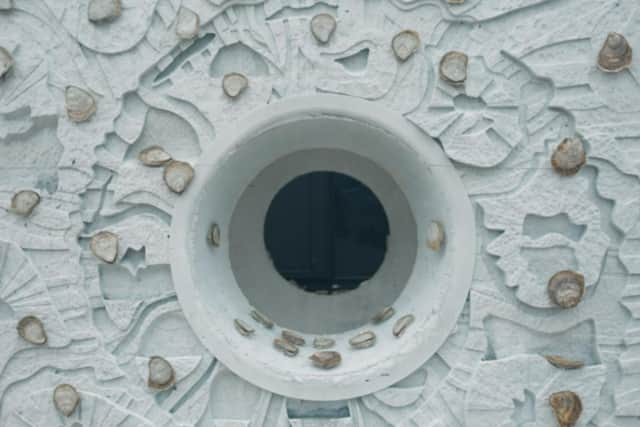

Every block is engraved with ridges and textures to mimic natural marine surfaces, providing shelter for other species.
There are also large portholes in the middle of the cubes to encourage other marine life to reef and create hiding spaces for species such as lobsters and fish.
To further support the restoration of oyster reefs in this area of the North Sea, the team also deployed more than 35,000 juvenile oysters, or spat, attached to shells, along with 40 tonnes of re-purposed scallop shells that will form the bed of a growing oyster reef, also known as cultch.
The efforts are part of The Wild Oysters Project, which is a five-year restoration and conservation project that is funded by the Stronger Shores Partnership and led by South Tyneside Council, with funding from DEFRA as part of the £200 million Flood and Coastal Innovation Programmes (FCIP) which is managed by the Environment Agency.
To prepare the 4,000 oysters, they were cleaned and scrubbed at North Shields Fish Quay by 90 local volunteers based at North Shields Fish Quay, who also helped to ensure that no other species were accidentally introduced during the restoration work.
Then a further 100 local volunteers helped to attach the oysters onto the reef structures with a specialist reef glue.
The latest deployment follows an earlier phase of the project in October 2023, when 10,000 mature native oysters were released off the coast of Whitburn, along with 750 tonnes of cultch.
Speaking about the project, Celine Gamble, ZSL’s Wild Oysters Project Manager, said: “They may be small, but oysters can play an important role in keeping our seas clean and healthy.
“As we work to restore native oysters in the North Sea, we are using novel techniques to help us contend with the challenges of restoring species in a challenging environment.
“The oyster reef cubes have been selected, to help provide a stable environment for the oysters during storms, and we hope that over time they’ll also attract fish, sponges and crustaceans to the reefs as we work to restore this lost ecosystem.”
Dr Ashleigh Tinlin-Mackenzie, Marine Ecology Technical Lead for Tyne & Wear at Groundwork NE & Cumbria, has praised the work of the volunteers for helping to deploy the oyster reef cubes.
She added: “Getting the oyster reef cubes and cultch transported, cleaning and attaching the oysters, and deploying them onto the seabed was a huge logistical challenge, and a real team effort.
“Volunteers worked alongside our small team of marine conservationists to make it happen.
“This project is breaking new ground. Like many innovative conservation initiatives, especially those working with nature, we’ve had to stay agile, learning, adapting, and trialling new techniques to give native oysters the best chance of returning to our coastline.
“Restoring native oysters isn’t just about bringing back a lost species, it is about building a healthier, more resilient North Sea.”