
What do you actually need to know before buying an EV?

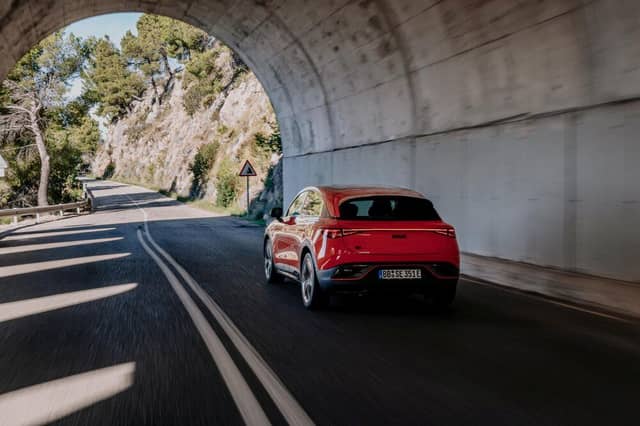

It’s now commonplace to see all types of electric vehicles on Britain’s roads, but there are still those who ask many questions before making the switch from diesel or petrol.
There’s a lot to keep in mind for anyone thinking about purchasing a new EV, so let’s answer some of the main queries.
How much range should I aim for?
There’s no doubt that range is one of the first things many drivers will consider when comparing electric cars. To be precise, it largely depends on how and where you’re driving. Which electric car to buy will depend on what you need it for. Short city commutes and long journeys across the UK are not the same thing and may well require different vehicles.
Furthermore, other factors change the vehicle’s range and its overall battery usage, such as driving speed, weather, heating, or even air conditioning. It’s not uncommon for some EVs to provide over 300 miles of range on a single charge.
Think about what type of journeys you’ll need an EV for, as this will help you narrow the selection down when choosing.
Where are you going to charge your EV?
Home charging makes everyday use much more straightforward and cheaper. Motorists can simply plug in their EV when at home and it’ll be fully charged for the following day.
Of course, not everyone has access to a driveway or private parking, which means they’ll have to rely on public charging facilities or perhaps a charging station located at their place of work.
Public charging spots are located in more places than you might think if you’ve never needed to search for one before. There are also charging points along many major routes, making it easier to top up during longer journeys.
How long will a charge take?
There is no single answer to this, as the charging times vary depending on the vehicle, charger, and battery level.
Charging speeds vary between models, but some modern EVs can add a significant amount of range in a relatively short stop. Some versions of the smart #5 electric SUV, for example, can charge from 10 per cent to 80 per cent in 18 minutes when using a suitable 400kW DC charger.
Rapid public chargers are great when on the go, but for many drivers, an overnight home charge can provide enough range for the following day’s journeys.
How much will it cost to run?
While the purchase price is just part of the cost of owning an EV, you’ll also need to consider insurance, servicing, maintenance, and electricity and charging costs. When you charge is also important, as off-peak rates can make it cheaper to top up the battery.
It’s worth mentioning that, as EVs have fewer moving parts than petrol or diesel cars, they have fewer components that require regular monitoring and maintenance.
For many drivers, charging an EV at home can cost less per mile than fuelling a petrol or diesel car, particularly when using cheaper overnight electricity rates.
What is life like with an EV?
In many ways, everyday life with an EV is much the same as owning any other car. You still have the same basic needs around comfort, storage, driving assists, navigation and technology.
Adjusting to the lack of noise, regenerative braking and charging will require some time, but there’s really not much difference in the way you’ll drive.