
How we're breathing new life into an old mining institute building near Sunderland
An old miners’ institute building, which has stood empty for a number of years, is set to empty a new chapter as a driving school.
Enterprise House at Herrington Burn, on the border of the Copt Hill and Shiney Row wards, was once Philadelphia Miners’ Welfare Institute and Hall and is steeped in the history of the coalfields area.
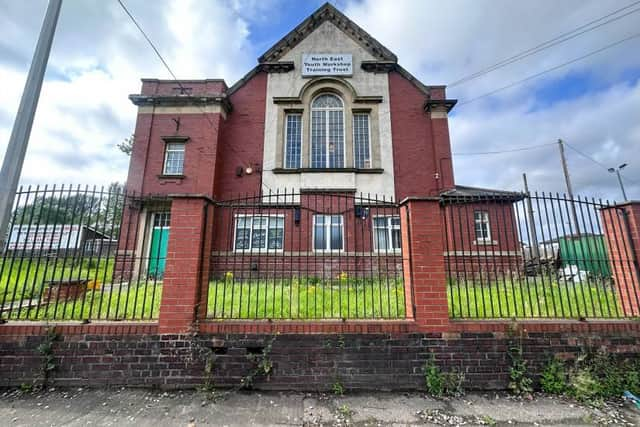

Although the 100-year-old building had already been repurposed for commercial offices over the decades, it has stood empty for some time and was in need of major repairs.
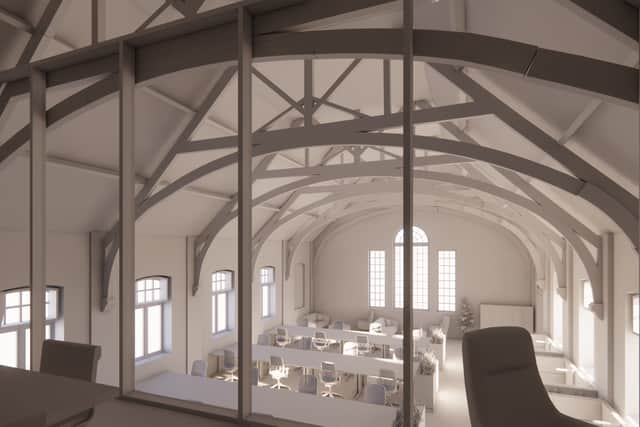
Now, plans have been approved to turn the two-storey building into new commercial space with modern offices and meeting rooms on the ground floor, as well as open-plan facilities and staff amenities to the first floor including a mezzanine-level boardroom.
Building Design Northern (BDN) will carry out the works on behalf of national client and UK driving school, ‘Pass n Go’.
Works will also include external bike storage and storage areas, as well as car parking for nine vehicles.
Hannah Thompson, from Building Design Northern, said: “The building is a great example of a former miners’ welfare institute that once stood at the heart of many mining communities up and down the country. Its strong character and facade exemplify the architectural design that was prominent and typical of the early 1900s, and we’re delighted to have been appointed by Pass n Go to design and deliver appropriate plans for this site.
“Our designs will retain, preserve and restore the building’s rich industrial heritage and many historic features including stone window surrounds, a large central focal window and other decorative elements both internally and externally.”
During the height of Britain’s industrial period, miners’ institutes were mostly operated by miners’ groups who offered a proportion of their wages into a welfare fund to support the construction, maintenance and general running of the buildings.
Enterprise House (formerly Philadelphia Miners’ Institute and Hall) still has its original red brick, stonework and asymmetrical frontage and is regarded by many as a non-designated local heritage asset.