
Sunderland's 1940s Big Freeze: When people wore overcoats to cope with the weather - inside
The snow has returned to Wearside but this is nothing compared to one of Sunderland’s worst winters.
It became known as The Big Freeze and it struck in 1947.
But this was not your average blizzard. It paralysed the town for weeks and Philip Curtis from Sunderland Antiquarian Society told us more.
It all began quietly enough the week before.


‘Snow - but it could be worse’
After a slight fall, the headlines said "Snow - but it could be worse." Soon, it was worse. It was an awful lot worse.
Sunderland’s problems began on January 24 when the Town Hall ran out of coal to heat the building and the administrative staff had to spend the entire day wearing overcoats.
The serious snow arrived two days later when an inch fell and the temperatures plummeted. Days later, there was another three inches and many homes were without fuel as the coal shortage grew ever worse.
Electricity cuts began that week and homes were deprived of cooking facilities and hot water. More snow followed and five inches fell on January 29 and 30.
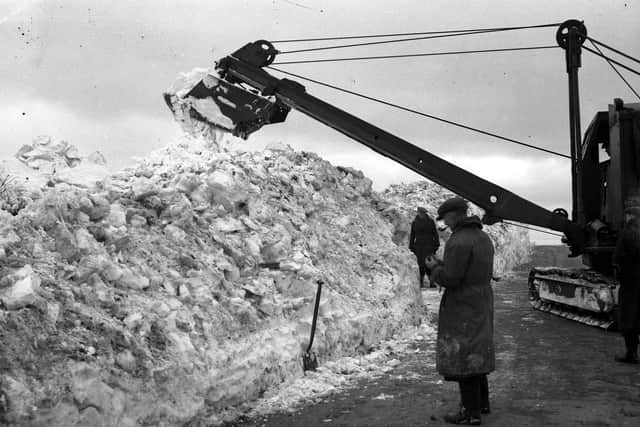
All roads snowbound as the Big Freeze continued
Overhead tram wires were broken, and trains were delayed.
Local industry was affected as well. Collieries missed their output targets as huge numbers of workers were ill with flu.
Three days later, conditions were so bad, shipping became paralysed and all roads were snowbound. Overhead telephone wires were torn from their pylons, trains were almost at a complete standstill in the fierce blizzards and shops in the town were usually in darkness through electricity cuts.
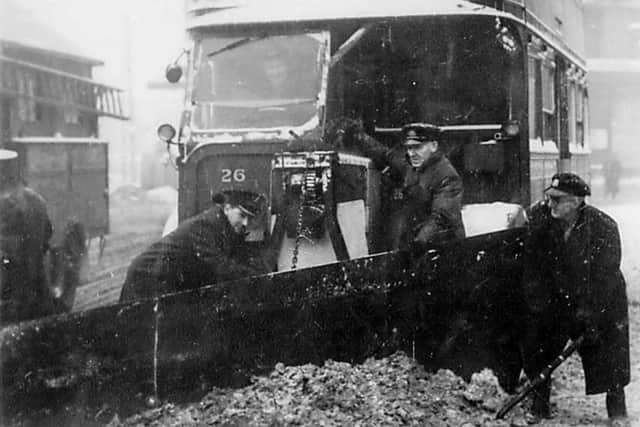
The storms were so bad, they washed up huge amounts of sea coal at Roker. They arrived just before dawn on February 4.
Sledging in the snow - on the beaches of Sunderland
By 10am, the shore was covered with beachcombers collecting coal while the snow lashed down. People were even sledging down the slopes to the beach.
Others were battling their way back up the beach with their sledges laden with sacks of coal.
Shipyards were badly hit. Half the men in some yards were sent home and many firms registered high levels of sickness.
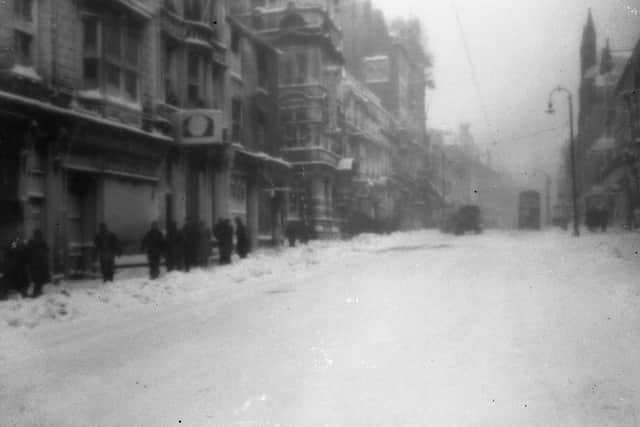
Snow was 10ft deep
Even greyhound racing was affected. Only four dogs got out of their traps in some races at one meeting. The rest were stuck inside their traps in the freezing conditions. Races were declared void and bets returned.
By the next day, snowdrifts were ten feet deep.
Within days, Sunderland broke its record for its longest continuous February frost. The sun had not been seen for 18 consecutive days and as if to hammer home the point, six inches of snow fell that night.
There seemed no end to the bitter weather and on February 26, a fierce blizzard saw every colliery and all local transport come to a complete standstill.
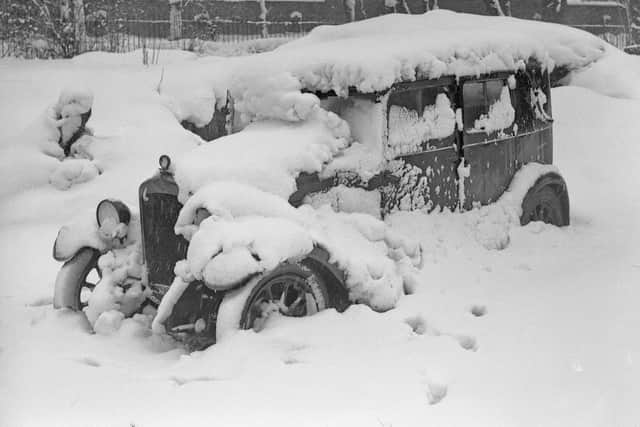
Every colliery closed after yet another blizzard
During February, 6 inches of snow fell.
Once February ended, hopes raised that the weather would relent. It was a false dawn.
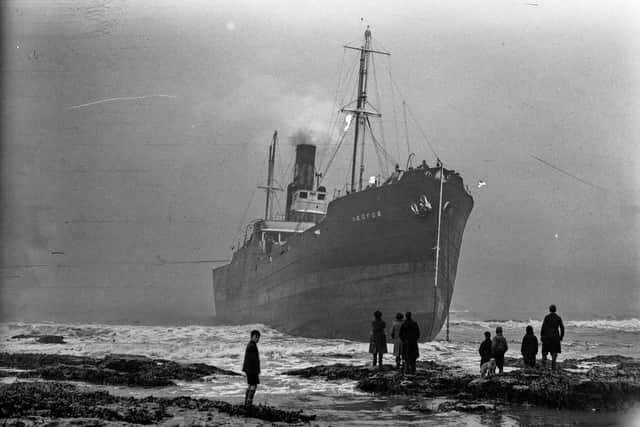
Ships had struggled against the weather and it was no surprise when a collier, the Regfos, ran aground in a snowstorm.
It was not until March 17 that change came. The Sunderland Echo proclaimed ‘Freeze Up Time Is Over.’
The winter of 1947, or Black February as it was known, was over but certainly not forgotten.
Our thanks go to Philip and Sunderland Antiquarian Society.
The Antiquarian Society welcomes people to its Heritage Centre on Wednesday and Saturdays, from 9.30am to 12pm.
Visit the Antiquarian Society’s Facebook page or website at http://www.sunderland-antiquarians.org to find out more.