
Queen Street Masonic Lodge in the East End, also known as Phoenix Hall, is open every day this month for a Century of Wedding Gowns exhibition.
Only open to the public for a select number of events, it’s a real chance to step back in time.
1. A hidden gem
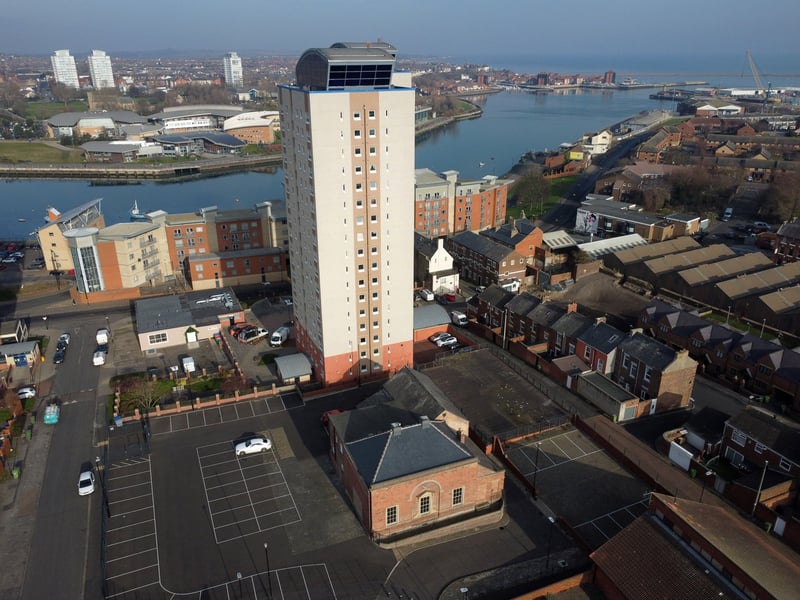
A real Georgian gem and one of the city's oldest buildings, Phoenix Hall, in the East End, remains much as it was when it was built in 1784-5. In 2023, it underwent a major restoration project. Although the Hall has been extended and altered over the years, its original structure and interior has remained remarkably intact, with the original organ, ceremonial chairs and furnishings still in place. But, structurally, it was in need of major repairs to its flooring, which was held together with the original 300-year old nails, windows, masonry and roofing. | Sunderland Echo
2. Great way to explore the building
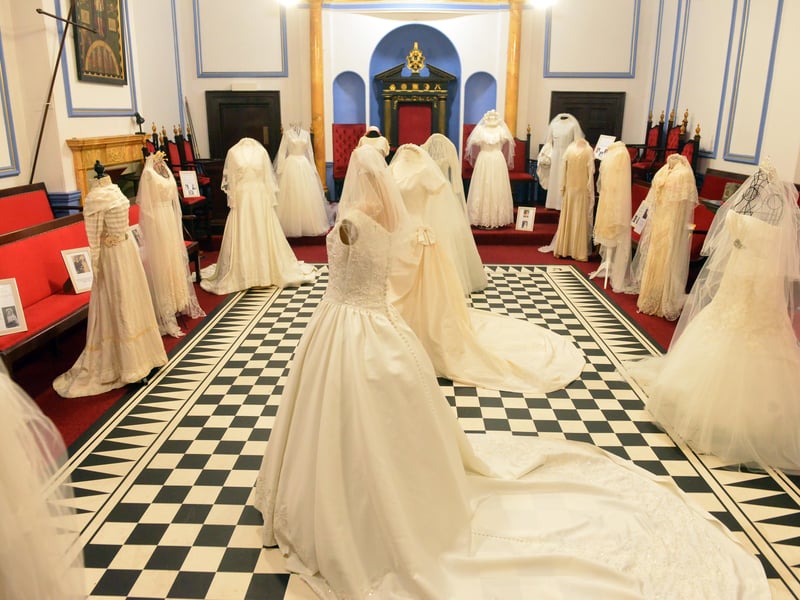
The Queen Street Masonic Lodge is currently hosting the Century of Wedding Gowns exhibition, which is a great chance to explore the building itself whilst admiring the exhibits. The lodge also opens to the public for Heritage Open Days and other events. | Sunderland Echo
3. An historic cornerstone
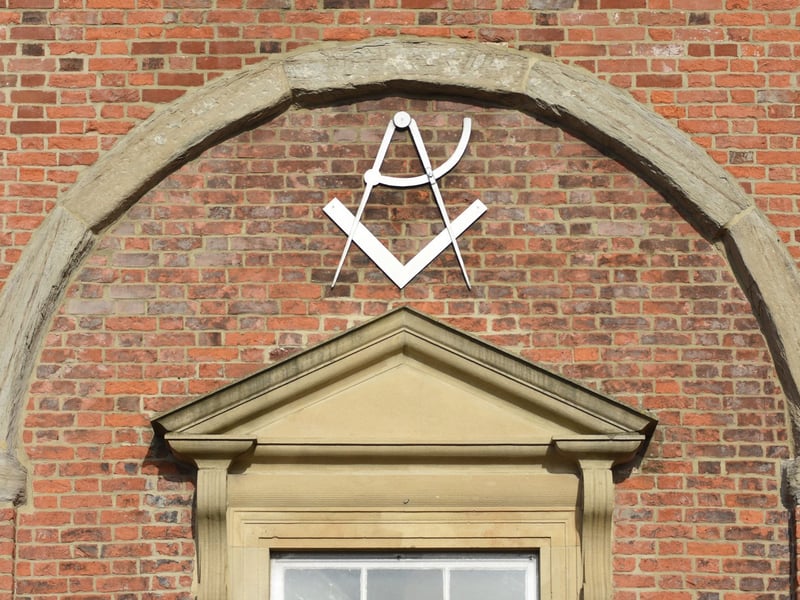
The masonic temple was built and paid for by the Phoenix Lodge, at a then princely sum of £600, after their original temple in Vine Street burnt down. Phoenix Hall rose from the ashes of the previous Lodge, giving rise to its name. Still in use today, where its original Lodge, and three others, meet monthly, it’s a hugely-historically significant cornerstone of the ancient fraternity and is the oldest surviving purpose-built masonic lodge still in use by the Freemasons in England. | Sunderland Echo
4. The stories behind the gowns
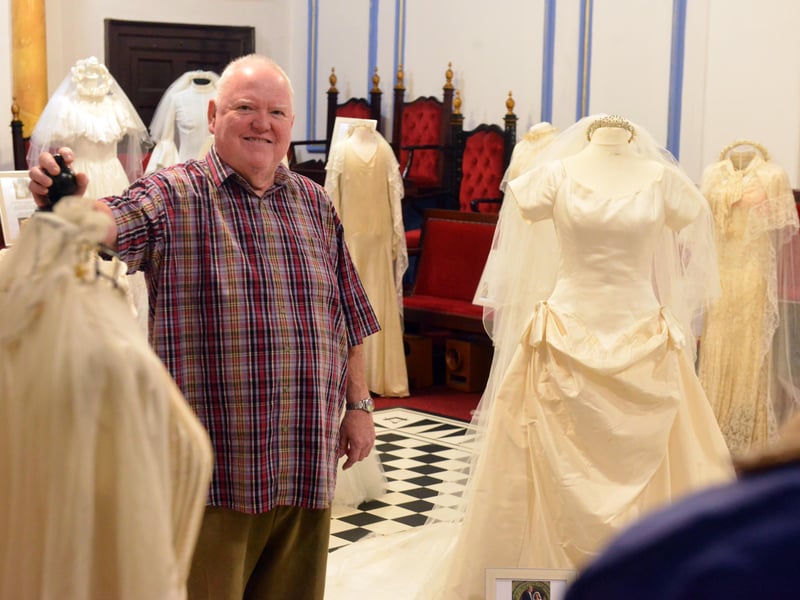
Former bridal shop owner and dressmaker Kevin Thornhill has a collection of 400 wedding dresses donated by brides, which he tours to locations such as Ushaw Historic House in Durham and Hexham Abbey for charity exhibitions. Over the years, he’s raised tens of thousands of pounds for charities by displaying the dresses, which are a fascinating insight into the changing fashions over the decades, as well as telling the stories of the brides behind the gowns. Alongside each of the dresses is a panel explaining who wore it and when, from a bride who had a Chanel gown made for her in 1923 only to run away with the chauffeur two days before the nuptials to a wartime dress made from parachute silk. | Sunderland Echo