
When football became homes: The changing face of Sunderland as the land at Roker Park went up for sale
Football was becoming homes in the 1990s
For sale. Roker Park, which was being lined up for a possible housing development in a stunning news headline 30 years ago this month.
It was all change in the Summer of 1996 when Sunderland AFC lodged a planning application with the city council.
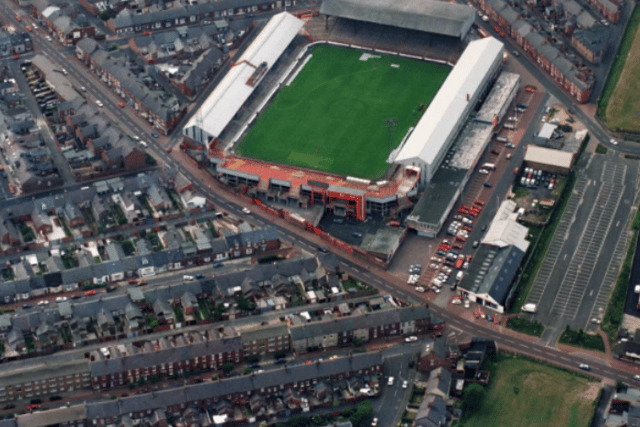

The club was seeking permission for a range of residential properties to be built on the site when it put Roker Park up for sale at the end of the next season.
A Sunderland Echo report at the time said: “The club believed the ground should fetch more than £1million on the open market and has already received several inquiries from national and regional building companies who are interested in it.
“But a club spokesman was quick to point out that no agreement will be entered into before the city council has determined the planning application.
“And with Roker Park covering some 2.4 hectares, more than 60 detached and semi-detached houses could be built on the land. Even more houses could cover the site if a future developer decides to stick to building terraced properties.”
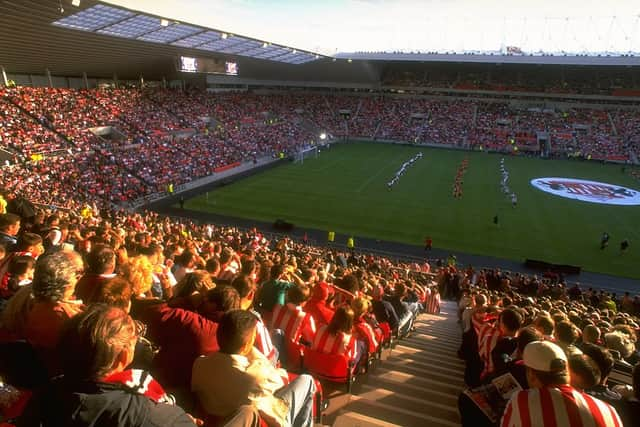
The plans were welcomed by residents living around the famous old ground. Receipts from the sale of Roker Park would go towards the new stadium.
That was not the only news in the headlines in July 1996.
The Sunderland Echo also reported;
Mowbray Park was in line for a £3million facelift to restore it to its Victorian splendour. Council officials hoped to win National Lottery funding to carry out the transformation.
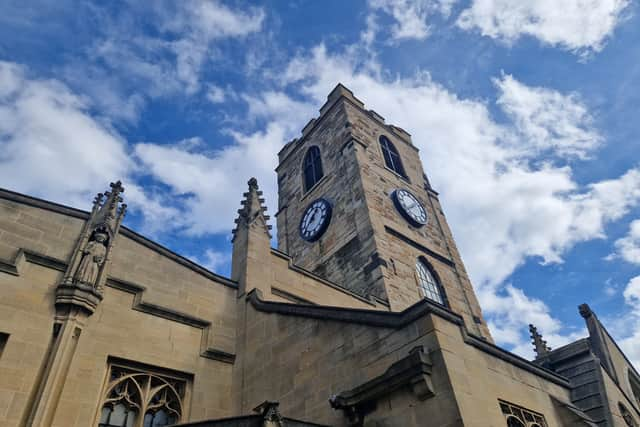
Sunderland was being considered for its own minster to mark its city status.
The Bishop of Durham, the Rt Rev Michael Turnbull, was considering historic St Michael’s - Bishopwearmouth Church - as Sunderland’s own cathedral’ church. The church, at the end of High Street, had an 800-year-old history.
‘If chosen, the preserved Gothic building could become the focal point of worship for all denominations in Sunderland,’ said an Echo report.
Two Sunderland schools - Town End Farm Primary and Hudson Road Primary - were right behind a new scheme to give children a nutritious start to their day in the classroom. The idea involved a breakfast club being set up. More than 150 children took part.
Residents on Houghton’s Racecourse Estate were delighted with the £725,000 project to transform 44 of their homes. The work included better outside walls, canopies, heating, doors and roofing.
Staff and pupils were having to move into makeshift classrooms while major £569,000 improvements were carried out at Donwell Primary School in Washington.
Share your memories of Wearside life in 1996 by emailing [email protected]