


From the oldest purpose-built masonic lodge in the country and Sunderland’s oldest pub to a school that pioneered the education of poor girls in the area, here’s a look at some of the historical gems worth checking out.
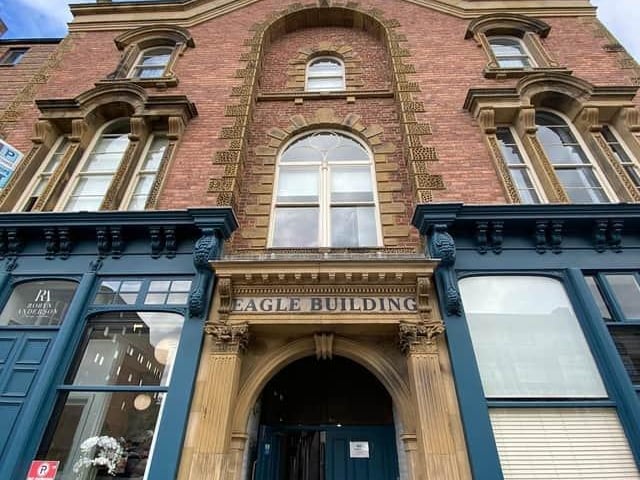
5. The Eagle Building, High Street East
With its distinctive eagle looming large over High Street East, The Eagle building is one of the street's finer buildings. It was the site of a pub dating from the late 17th century. Originally known as the Three Crowns, the pub changed names over the centuries until the 1860s when the owner, Mr Newbiggin, established the Eagle Tavern. The eagle was probably mounted on the building's roof in honour of the pub's new name. Today, it's home to a number of independent businesses and creatives. Photo: national world
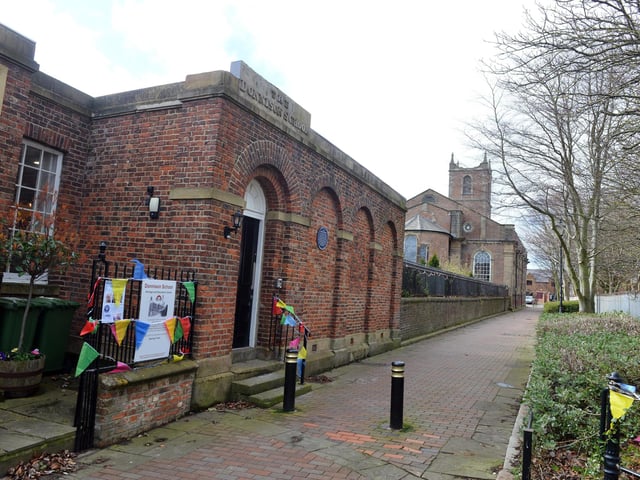
6. The Donnison School, Church Walk
Tucked away down Church Walk at the heart of old Sunderland, Donnison School is a real lesson in the history of the city. A woman way ahead of her time, Elizabeth Donnison recognised the importance of women’s education and left £1500 in her will to fund a school which would provide a free education for female pupils from poor families in Sunderland. Opened in 1798 in the shadow of the old workhouse in the East End, it would go on to educate thousands of girls, 36 at a time, aged five to 15, until its closure in the early 1900s. Today, it's a heritage centre that hosts regular events, from plays to afternoon teas. Photo: Stu Norton
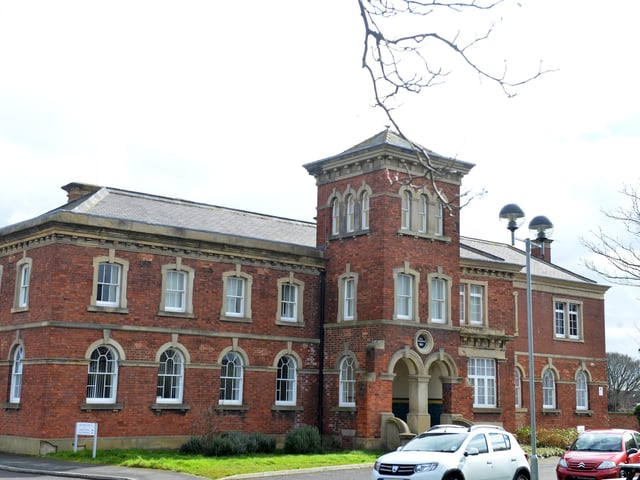
7. The Old Orphanage Asylum, Moor Terrace
The Old Orphanage Asylum is a Grade II-listed building built in the classical Italianate style. It opened in 1861 following the Sunderland Orphan Asylum Act of 1852. The orphanage was set up to provide an education for male orphans of seafarers. The boys were taught seamanship and wore a naval style sailor suit as a uniform. In 2015 it was turned into a new dementia care development. | Sunderland Echo
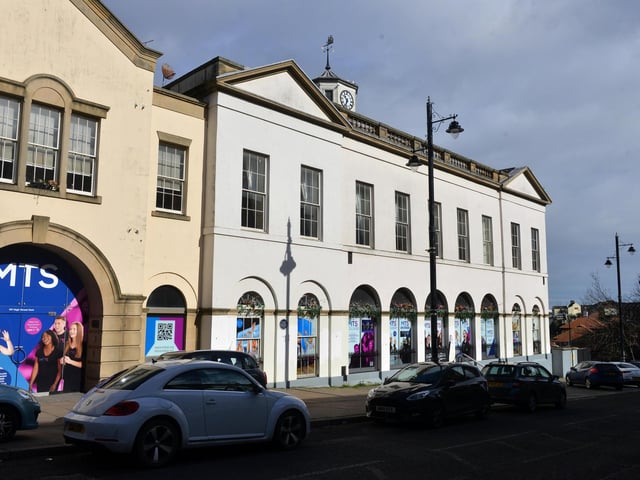
8. Quayside Exchange, High Street East
Next to the Eagle Building is the Grade II-listed Quayside Exchange. Located in the middle of the thoroughfare between Bishopwearmouth and Old Sunderland, the Quayside Exchange would serve as the administrative centre for both settlements. Completed in 1814, it would serve as the Town Hall, court house, post office and market. | Sunderland Echo