
Sunderland's plan to tackle rising homelessness delayed as 'fundamental' flaw pointed out
Councillors have delayed making a decision on plans for a new local authority housing development on Wearside aiming to support homeless people “secure independent living.”
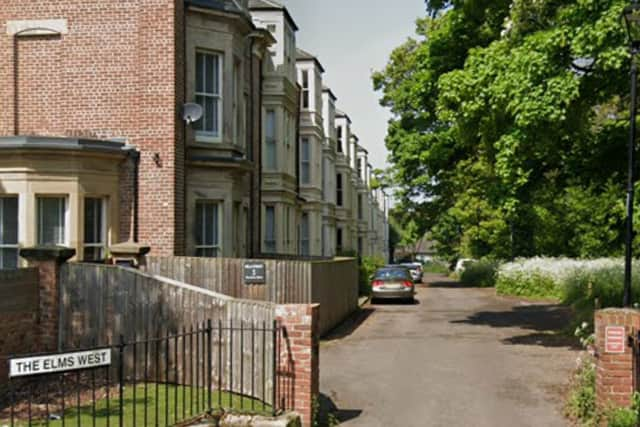
Sunderland City Council’s Planning and Highways Committee considered the application for the property at 5 The Elms West in the St Michael’s ward in the Ashbrooke area at their latest meeting.
The local authority recently lodged the proposals with its own planning department seeking permission for a change of use from a “dwelling house” to “supported accommodation” offering seven bedrooms.

A design, access and heritage statement said the planning application was being proposed to “meet demand within the city”, with five carer roles proposed.
Sunderland City Council, in a separate statement, confirmed the development aimed to provide a “safe, supportive environment” for homeless people.
The document added the local authority “like many” across the country “faces an increase in homelessness.”
The council said the application proposed “good quality, self-contained apartments designed to offer a safe, supportive environment where individuals can build stability and take positive steps toward a brighter future.”
Local authority planning officers, in a report published ahead of the decision-making meeting, had recommended the supported accommodation plan for approval.
They said the proposed use is “supported by both national and local policy which seeks to ensure that there is a choice of suitable accommodation to meet specialist housing needs.”
However councillors agreed to defer making a decision until a management plan was brought forward following concerns from an objector.
The member of the public voiced worries around potential anti-social behaviour and criminality, along with increased parking problems on the residential street, where spaces are “already extremely limited.”
However his main concern was around the lack of a management plan for the development – which he argued is “fundamental” so the “residents of Ashbrooke can properly assess how the property will be run.”
He added without such a document the application is “incomplete” and it is “not possible” for councillors “to make an informed and responsible decision without all the details at hand first.”
Council officers behind the scheme said the management plan is expected to be submitted “in February or March 2026” and the procurement process has not yet taken place to select the support provider for the building.
The recommendation for approval from planners had included a condition which stated “prior to first occupation, a detailed management plan shall be submitted to and approved in writing by the local planning authority.”
However following the comments from the objector, Cllr Andrew Wood proposed they defer making a decision until the management plan is in place, allowing it to be viewed by councillors and residents prior to a verdict being made.
This was agreed without dissent by the committee.
In total there were five objections submitted over the plans raising concerns about a range of issues, from traffic and highways impacts and parking pressures, to the “impact on the local community and harm to [the] character of the area”.
Worries included the development “marking a shift toward institutional or transient accommodation in an area already seeing increased HMO/bedsit activity nearby”, wider safeguarding issues and privacy impacts.
The scheme had been described by officers as “safe, stable housing for individuals experiencing homelessness” which “offers a vital stepping stone toward independent living” and a “dignified, supportive environment that fosters stability.”
It was noted “residents may come from a variety of circumstances, including those transitioning from temporary or unsuitable housing, young people leaving care, individuals recovering after hospital stays, and those who have been sleeping rough.”
The council committee report added the supported accommodation would have “24/7 management and support services on site” which would “ensure that everyone residing there is supported, monitored, and managed appropriately.”
Applicants behind the new accommodation scheme noted the property historically “attracted some antisocial behaviour” and was “generally neglected and poorly maintained” but has since been “refurbished.”
When the application was originally submitted it proposed that the supported accommodation would consist of nine bedrooms, however this was revised to seven during the planning process following talks with council officers.
For the latest public notices from your area, please visit: https://publicnoticeportal.uk/