
Just fill up as normal says Sunderland MP in bid to defuse panic buying and fuel shortages at pumps

“Just fill up as normal at the pumps” - the words of Sunderland MP and education secretary Bridget Phillipson in response to concerns that petrol service stations may run out of fuel.
The MP for Houghton and Sunderland South was responding to concerns over panic buying leading to fears that petrol stations could potentially run out of fuel.

Ms Phillipson was speaking as the ongoing conflict in Iran has led to the effective closure of the Strait of Hormuz - through which around 20% of the world's oil and natural gas flows.
The restriction on the shipping and flow of oil has seen the price of petrol climb above an average of 150p per litre - an increase of more than 17p since the Iran war started at the end of February.
The ongoing rise in prices at the pumps and reports of fuel shortages in other countries, including Australia, has led to concerns about motorists changing their behaviour and purchasing additional petrol and diesel.
Ms Phillipson said: “We all want to see this conflict resolved and for it to de-escalate as soon as possible because we have seen the impact it can have here in the UK.
“As a Government, we have contingency plans to make sure we can deliver what is necessary. But I would just say to consumers in their day to day lives to listen to what bodies such as the RAC and AA have been saying.
“They have been absolutely clear that if you are going to the pumps then you should just fill up your car as normal.
“We’ve got the security of what is coming and production isn’t affected and I think people should take heed of what these bodies are saying.”
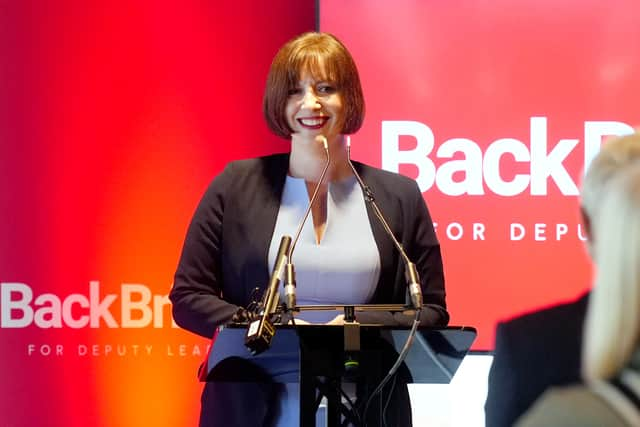
Ms Phillipson insisted the government "will always plan for what we need to do" in the event of any disruption, adding: "We are well prepared."
On the concerns of rising energy prices for people’s homes, Ms Phillipson confirmed that from April 1 (2026), the Ofgem energy price cap for a typical dual-fuel household paying by direct debit is £1,641 per year - between a 6.6% to 7% decrease on 2025.
The price cap is in place until June 30, and the education secretary could not give any guarantees after that.
Ms Phillipson said: “We will take a view closer to the time, but what we hope will happen between now and then is that we do see a de-escalation of the conflict.”