
Sunderland quarry could become extension to Hetton Lyons Country Park
A country park in Sunderland could be extended under major plans to transform a working quarry into new public green space.
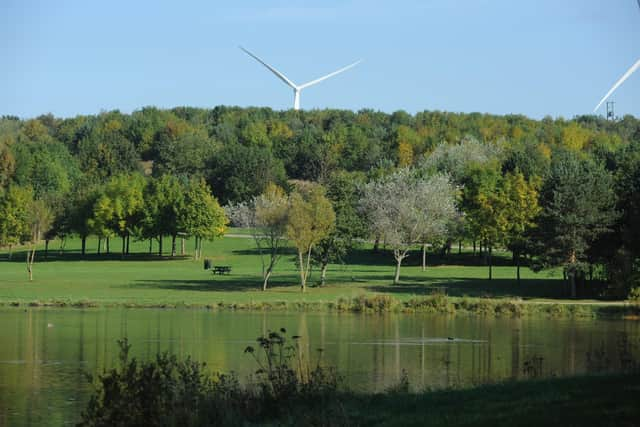
Proposals for Eppleton Quarry, near Hetton-le-Hole, would eventually see the site restored with woodland, grassland, water features and new walking and cycling routes as an extension to Hetton Lyons Country Park.
But the ambitious restoration would first involve extending quarrying operations until 2048 – eight years beyond existing permissions – to allow remaining reserves of sand and limestone to be extracted.
Eppleton Quarry Products Ltd also wants permission to bring in 5.6 million tonnes of material over around 21 years to fill the quarry void and restore the land.

The quarry has been operational for more than 20 years, initially involving the reclamation of the old Eppleton Quarry and processing of former colliery spoil to recover coal.
Current extraction focuses on sand and limestone for the construction industry.
Planning documents say the restored quarry could eventually be “returned to the council” as an extension to Hetton Lyons Country Park, while a new “site support area” would be restored to agricultural use and returned to a neighbouring farm.
The application states that infilling the quarry site with 5.6 million tonnes of inert materials will “ensure that an enhanced restoration profile and landscaping scheme can be achieved, with the site restored to a higher standard than currently consented, achieving a higher biodiversity net gain than before”.
A letter submitted with the plans states the time extension for extraction works, and increase in site footprint, seeks to “ensure that all the mineral is extracted from Eppleton Quarry and the current working boundaries are regularised”.
The proposed restoration scheme would equate to approximately 250,000 tonnes a year of materials being used to infill and restore the quarry void.
The applicant’s environmental statement confirmed restoration would also involve the creation of woodland and grassland, native planting, habitat enhancement, water features and walking and cycling routes.
It added restoration would be “undertaken progressively and completed by 2048, resulting in a landscape that integrates with the surrounding countryside and nearby country parks.”
A decision on the plan is expected following a consultation.