


Sit down with a pint of Double Maxim and a pink slice, today is a day to celebrate all things red and white.
What started a few years ago to promote the Mackem Dictionary has now become an annual celebration of Sunderland culture, its people and passion on August 12.
This year’s celebrations are set to be the biggest yet with a free night of music, stalls and performance at Sheepfolds Stables tonight from 5pm to 10pm, which is sold out.
There’s plenty of reason to love our city by the sea - and we’ve rounded up just some of them:

9. Sunderland Museum & Winter Gardens
With a history dating back to 1846, Sunderland Museum & Winter Gardens has been at the heart of Sunderland's cultural activity for decades. As well as permanent attractions, such as the biggest collection of LS Lowry works outside of Salford and Sunderland icon Wallace the Lion, it plays host to big name touring collections and is often chosen over more high-profile galleries to host such works. Recent successes have included Turner Prize winner Grayson Perry's Vanity of Small Differences which attracted 123,000 visitors in 2013 and Leonardo Da Vinci: A Life in Drawing in 2019 which featured 12 sketches from the Italian Master. Photo: JPI Media

10. Our seafront
There's not many cities by the sea in Britain and Sunderland boasts not just one, but two beaches in Roker and Seaburn. The twin resorts have brought plenty of people to the area over the decades and in recent years, the seafront has been boosted by a wave of new businesses and improvements. Photo: Stu Norton
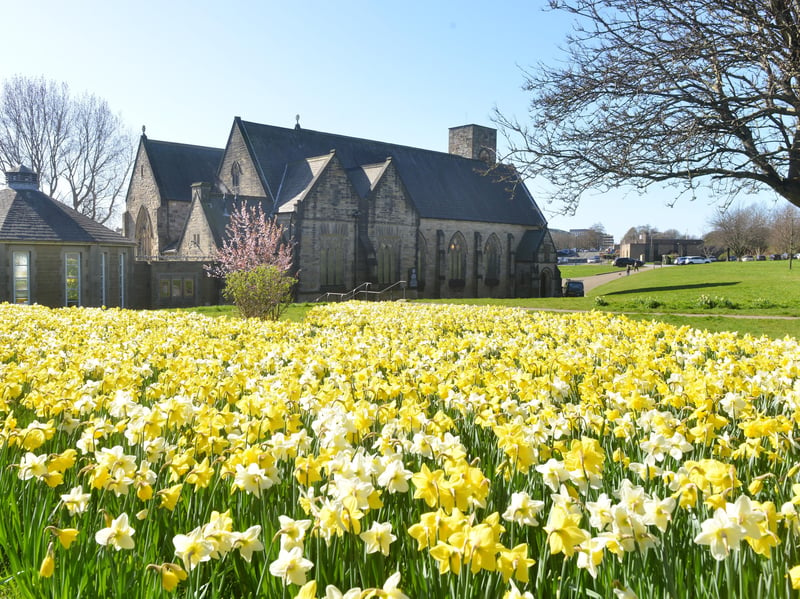
11. St Peter's Church
St Peter’s Church in Monkwearmouth is a justifiable source of pride in Sunderland for people of faith, or no faith, and has been for 1,350 years. Built in AD 674, it's one of the most important buildings in the North East and is where stained glass was first introduced in Britain. | Sunderland Echo
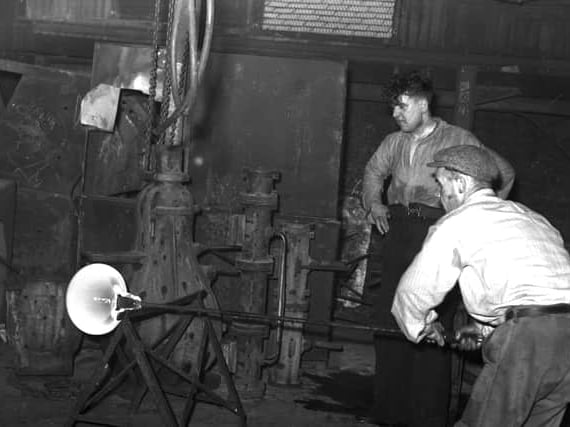
12. The art of glassmaking
The French craftsmen who visited in the 7th century passed on the skill of glassmaking to locals, making Sunderland one of the earliest centres of glass-making in the country, and by the 19th century it was a booming industry. Along with shipbuilding and coal mining, glass-making played a huge role in the city’s industrial heritage and was fuelled by the availability of cheap coal and high-quality imported sand, the two key raw materials needed for large-scale glass production. Some of the biggest factories included Turnbull's Cornhill Flint Glassworks at Southwick, open from 1865 to 1953, which operated for decades, as well as Wear Flint Glass Works, known from 1921 as James A. Jobling and Co Ltd. The latter made the iconic Pyrex brand which, thanks to its heat-resistant properties, became a staple item in kitchens across the world after being sold in its millions. Every single piece of Pyrex back then, many of which is now a collector’s item, was made right here in Sunderland. | Sunderland Echo