
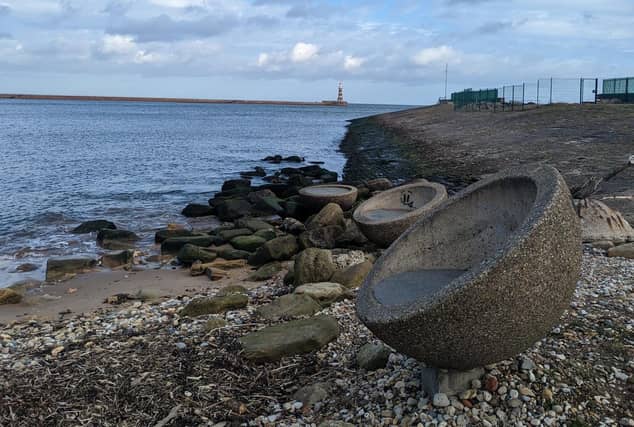

Created over a decade from 1991 to 2001 by sculptor Colin Wilbourn and writer Chaz Brenchley, the St Peter’s Riverside Sculpture Trail honours the city’s rich past, with 13 artworks in total.
Over the years, the original trail has been added to, with three large-scale sculptures joining the trail last year alone.
But have you spotted them all? Here’s the story behind all of the artworks that hug the Riverside from Wearmouth Bridge en route to Roker.
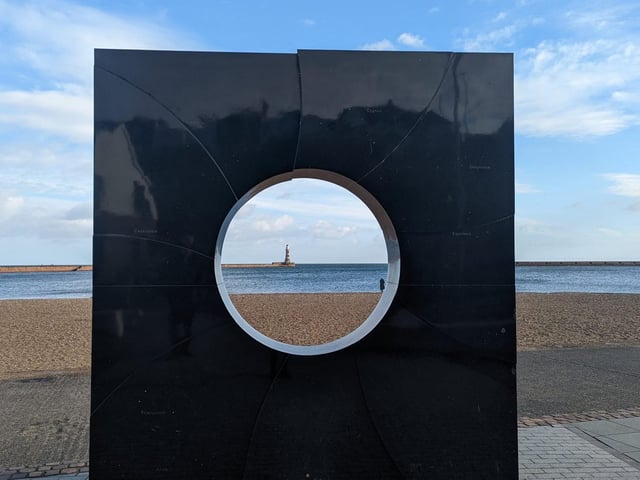
5. C at Roker Pier
C at Roker isn't part of the original trail and is a later addition, but is perhaps Sunderland's most well known sculpture. Created by Andrew Small, the black granite monolith frames the pier and lines it up perfectly with the rising sun twice a year. It's called C as it was one of three sculptures commissioned to mark the end of the C2C route. | Sunderland Echo
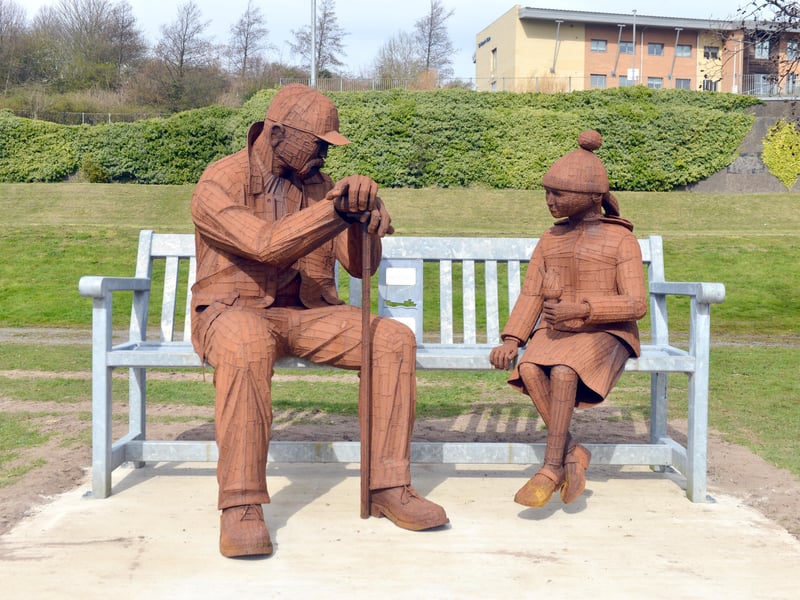
6. Launch Day, St Peter's Riverside.
Another new addition on St Peter's Riverside by Ray Lonsdale, and forming part of the city's growing sculpture trail, is Launch Day. Set decades after It Says Here, it captures one of the former shipyard workers, now a grandfather, telling his granddaughter stories about what it was like to work in the shipyards. | Sunderland Echo
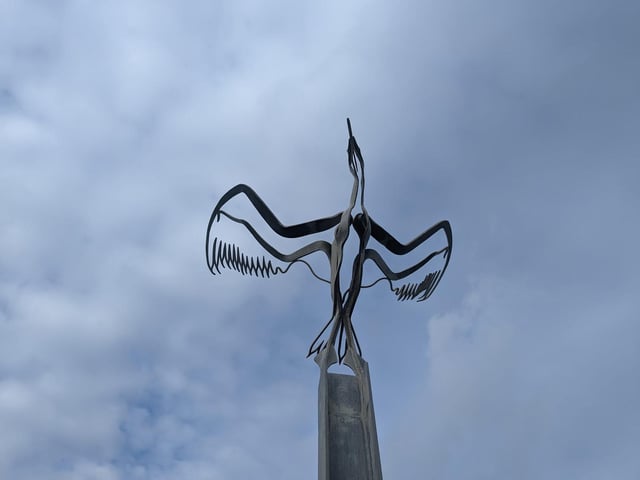
7. Taking Flight, North Dock promenade
A series of sculptures, Taking Flight is at the end of North Dock promenade. Craig Knowles designed a series of upright steel beams running along its length, each varying from the last. The steel has been beaten and forged to create sinuous forms which gradually merge to form a cormorant's flight. | Sunderland Echo
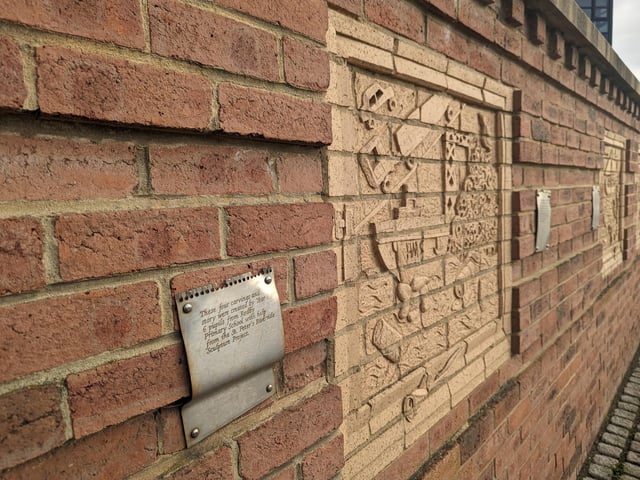
8. Windows and Walls, the wall running to the Marine Activities Centre
Spanning the wall that runs along North Dock towards the Marine Activities Centre, Windows and Walls is a series of carvings depicting views through windows. Colin Wilbourn and Karl Fisher ran design-and-make workshops with pupils from four local primary schools (Fulwell, Dame Dorothy, St Benet's and Redby) for some. Members of the Monkwearmouth Local History Group also made four panels depicting the changing history of the area. | Sunderland Echo