
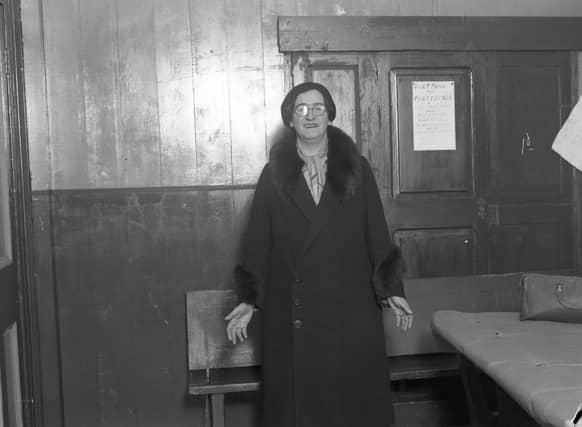

It joins more than 70 blue plaques in Sunderland, a nationally-recognised marker of historical significance.
However, while most recognise important places and buildings, far fewer honour people who made their mark on Wearside.
We’ve rounded up some of the people honoured in the city, from Sunderland’s first female MP to the civil engineer credited with helping to combat cholera.
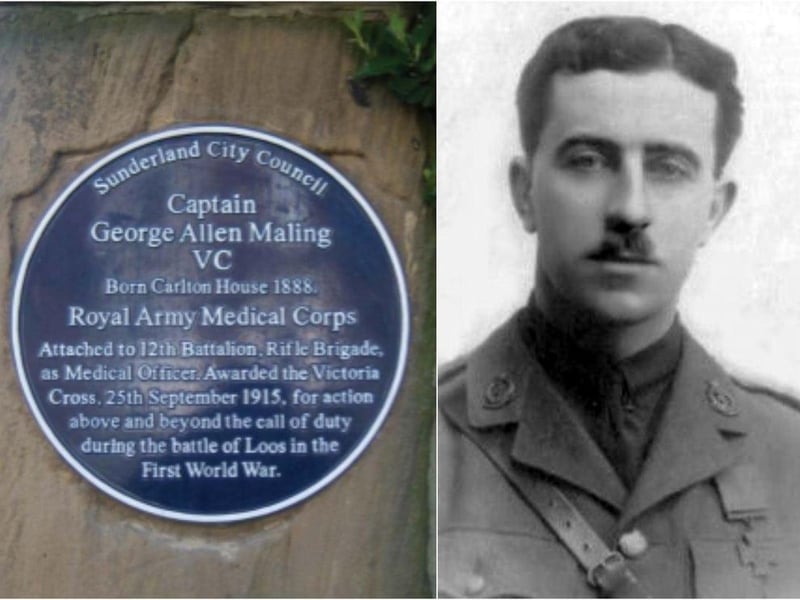
9. George Maling VC, Mowbray Road
George Maling displayed extraordinary bravery in the First World War, leading to him becoming Sunderland's only soldier to be awarded the Victoria Cross. George, who was born in Carlton House, in Mowbray Road, was commissioned as a Lieutenant in the Royal Army Medical Corps in January 1915 and sent to France. On September 25 that year, a group of British soldiers were trapped in an area of No Man’s Land near Fauquissart, surrounded and under heavy bombardment. George worked for more than 24 hours, collecting and treating more than 300 men, despite being under heavy shelling the entire time. Maling was gazetted for the VC for his actions in November and presented with the medal by King George V at Buckingham Palace in January 1916. | Sunderland Echo
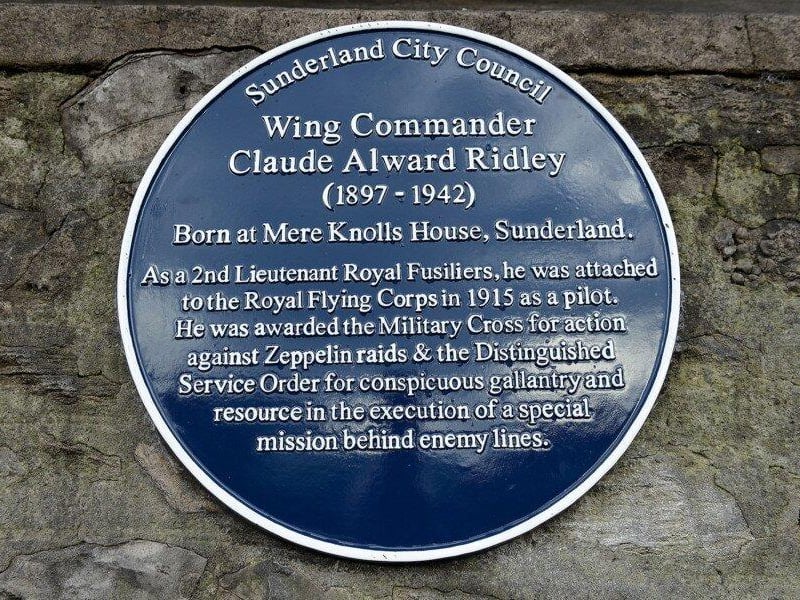
10. Claude Ridley, Mere Knolls House, Fulwell
Wing Commander Claude Ridley is one of Sunderland's bravest and most decorated sons. Born in 1897, and raised at Mere Knolls House, C.A Ridley was a 2nd Lieutenant in the Royal Fusiliers who was attached to the Royal Flying Corps in 1915. A year later he was awarded the Military Cross for action against Zeppelin raids on the Home Front, and the Distinguished Service Order (DSO) for ‘conspicuous gallantry and resource’ in the execution of a special mission behind enemy lines. | Sunderland Echo
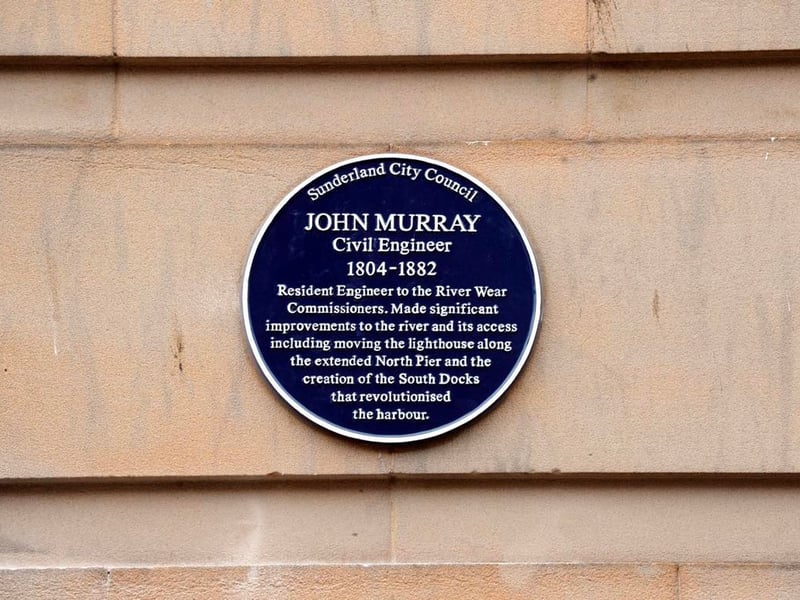
11. John Murray, St Thomas Street, city centre
Resident Engineer to the river Wear Commissioners, John Murray made significant improvements to the river and its access including moving the lighthouse along the extended North pier and the creation of the South Docks that revolutionised the harbour. | North News
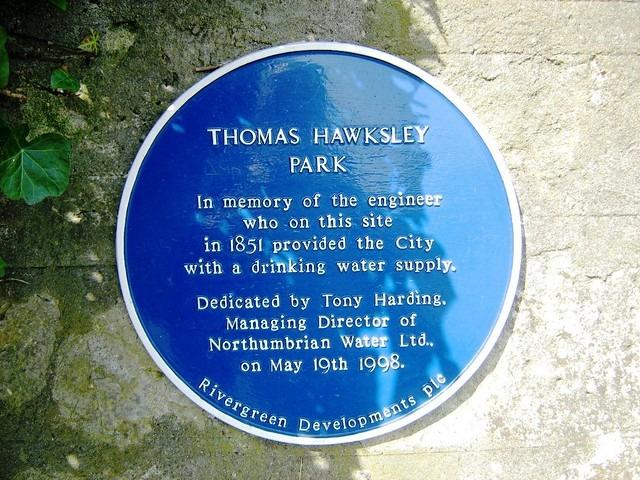
12. Thomas Hawksley Park, Humbledon
Many distinctive buildings in the area are down to 19th century civil engineer Thomas Hawksley, including Ryhope Pumping Station, Dalton Pumping Station and Hawksley House in the city centre. He was regarded as “a true real-life hero” for the part he played in saving people from the spread of deadly Cholera through his engineering which brought clean water to Sunderland and many other cities. The plaque in Humbledon is on the site of a housing estate built around a converted pumping station. | Sunderland Echo