
It joins more than 70 blue plaques in Sunderland, a nationally-recognised marker of historical significance.
However, while most recognise important places and buildings, far fewer honour people who made their mark on Wearside.
We’ve rounded up some of the people honoured in the city, from Sunderland’s first female MP to the civil engineer credited with helping to combat cholera.
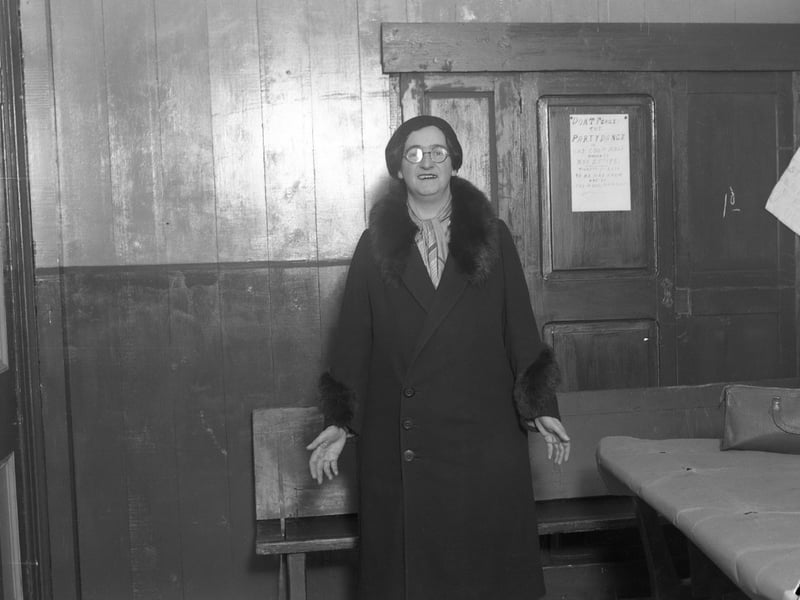
1. Dr Marion Phillips, Foyle Street, city centre
Dr Marion Phillips became Sunderland's first female MP at the 1929 general election; the first election in which women’s voting rights were equal to men’s. In July 1928 Dr Phillips sent a letter to all women in the town, stressing the importance to them of the 1929 General Election, due to its extended suffrage. At the time of the election, Sunderland was a difficult seat for Labour, despite being predominantly working-class. Nevertheless, she won and was one of only 14 female MPs in the parliament. She hadn’t actually intended to stand for parliament, but felt compelled to accept the nomination on behalf of women and the poor | Sunderland Echo
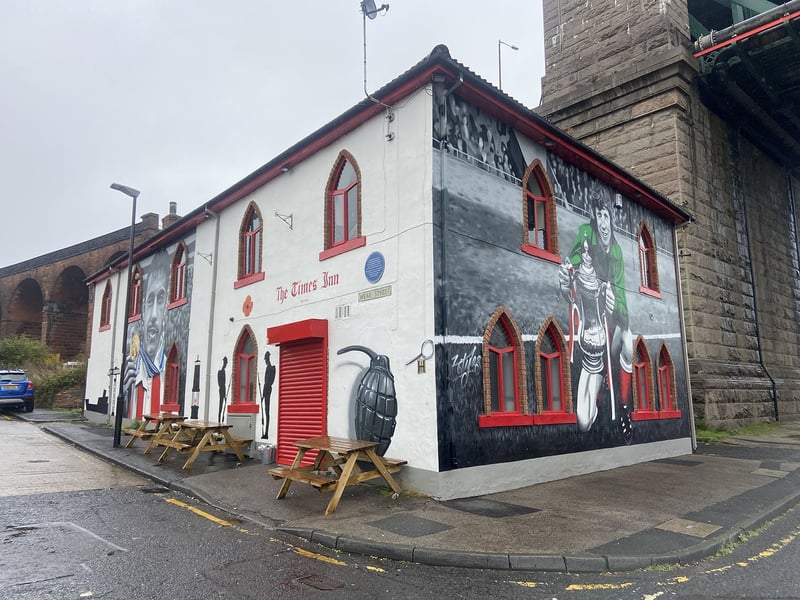
2. William Mills, Wear Street, Southwick
Accompanied by art works on The Times Inn pub, this blue plaque honours Sir William Mills. He was born in Wear Street, Southwick, in the shadow of the shipyards, in 1856 and would go on to become a celebrated engineer and inventor. His most well-known invention is the Mills Bomb, the ring-pull hand grenade used by British and allied forces in the First World War, a weapon which helped play a major role in their victory. It’s an invention which earned William a knighthood in 1922 | Sunderland Echo
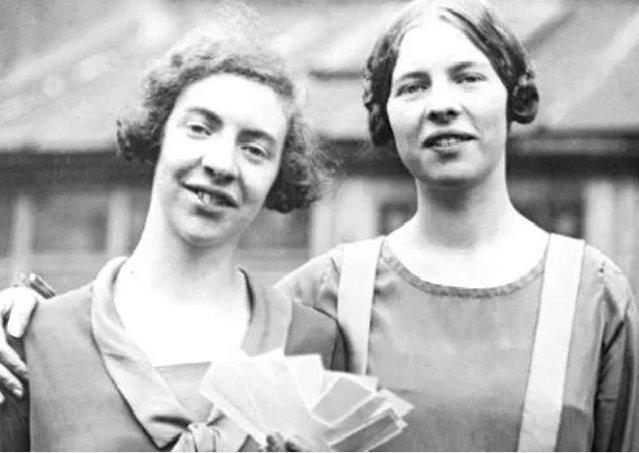
3. Ida and Louise Cook, off Chester Road
The Sunderland sisters saved the lives of dozens of Jewish people fleeing the Nazis before the outbreak of the Second World War and have been honoured with a lasting memorial to their bravery. A Blue Plaque commemorating Ida and Louise Cook is on the entrance gate wall to Croft Avenue, off Chester Road, which was their childhood home. Posing as eccentric opera lovers, the sisters repeatedly travelled to Germany during the late 1930s, where they smuggled the personal possessions of those facing persecution back with them to Britain to sell and raise funds for the emigration papers and travel documents the refugees needed to escape to safety. Their daring exploits as double agents all stemmed from a friendship with Austrian conductor Clemens Krauss and his fiancé, opera singer Viorica Ursuleac. | Library photo Photo: Library photo
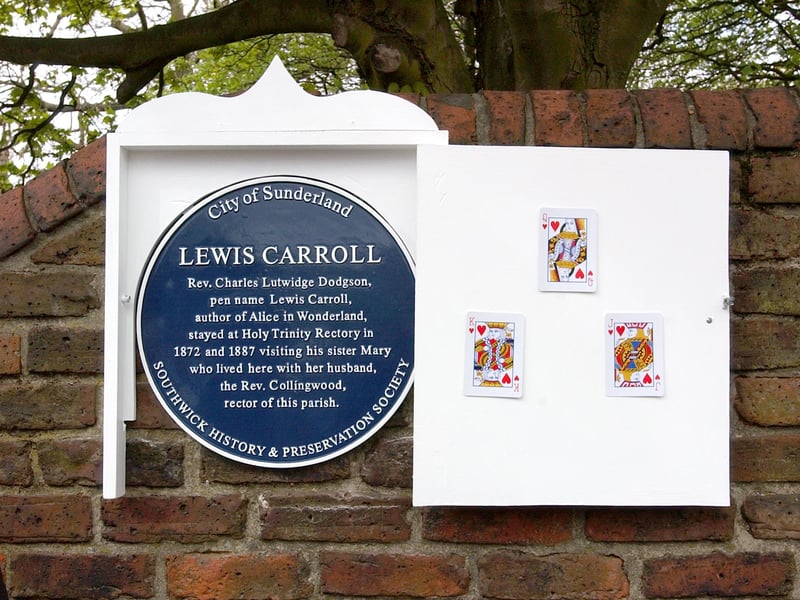
4. Lewis Carroll, Holy Trinity Rectory, Southwick
Lewis Carroll visited family in Sunderland during his long summer holidays from Oxford, and there are countless tales of how our city inspired characters and settings in his books. The author, who is most famed for Alice in Wonderland, stayed at Holy Trinity Rectory in 1872 and 1887 visiting his sister Mary who lived here with her husband, the Rev. Collingwood, rector of this parish | Sunderland Echo