
Bid to safeguard future of Sunderland’s iconic Fulwell Mill
New plans to safeguard the future of Sunderland’s historic Fulwell Mill have been given the go-ahead by councillors.
In recent years, the city landmark has faced a raft of difficulties after weather damage forced its closure and placed it on Historic England’s ‘Heritage-at-Risk Register.’
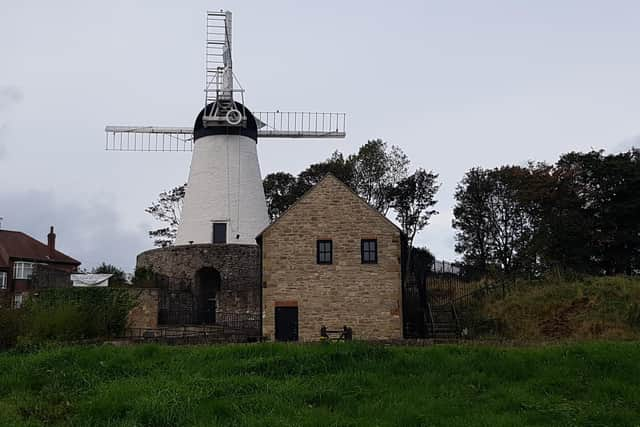

However, a project to restore the mill to its former glory has been progressing at pace with repair works helping to preserve the building for future generations.
As a result, the grade II listed site has been removed from the heritage risk register.
On Friday (October 2), Sunderland City Council’s Planning and Highways (East) Committee approved a new application to build on previous conservation works.
The programme includes an internal ‘suspension bridge’ structure within the mill cap and coverings to external sheers.
This aims to correct a ‘weight distribution issue within the cap’, further improve the performance of the mill and protect the cap, fantail and their working parts from future damage.
Planning officer, Toni Sambridge, said there were no “adverse comments received” during consultation.
“Everybody is very positive and behind the scheme because obviously it’s an important heritage asset for the city,” she told the meeting.
Fulwell ward councillor, Cllr James Doyle, also welcomed the application.
“I want to congratulate the team behind the mill restoration work that has been done to date,” he said.
“I’m in favour of the application, I think it’s a great thing.”
According to planning documents, Fulwell Mill is a building of “exceptional significance” and a nationally important example of a vaulted tower windmill.
Dating back to 1808, the building retains almost all of its internal machinery which is the best preserved of its type in the region.
A statement from Historic England, included in a planning report to councillors, also praised the works.
It reads: “The grade II listed status of Fulwell Mill is in large due to its working machinery which brings to life a once common feature of life in England.
“The working of the mill is sophisticated but subject to major physical forces which require subtle adaptations to the machinery.
“The works presented here would ensure the smoother running of the mill and reduce wear and so present good conservation practice.”