
Childline: Reassure children that speaking up is the right thing for them to do
Every day, our Childline teams across the UK speak to young people who need support after experiencing something online which has upset them, including those who have been blackmailed over the internet.
New research commissioned by the NSPCC found that one in five of the 2,558 UK parents polled by Savanta said they knew a child who had experienced online blackmail, while almost one in ten said their own child had been blackmailed online.
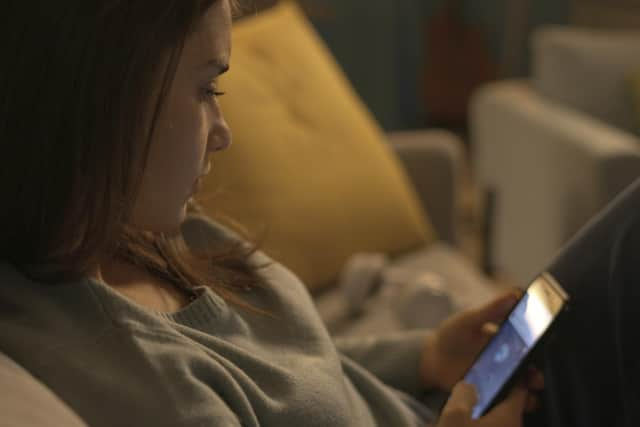

Despite this, two in five parents said they rarely or never talked to their children about the subject, giving reasons including being afraid of overreacting or scaring a child (32%), their child's current mood or feelings (29%), and their child's reluctance to talk about sensitive topics (25%).
Online blackmail is when someone threatens to share images, videos or information about a child online if the child does not do what is demanded of them. Often, this information has been gathered by offenders in private online conversations.
The NSPCC is pushing for real change and campaigning for tech firms and the Government to make the online world a safe place for children through the Online Safety Act. But we can also offer advice to parents and help them feel equipped to have difficult conversations with their children.
Knowing how to talk to children about online risks can help make sure children feel safe speaking out without fear of judgement. Try to make the conversations regular and age-appropriate rather than a one-off talk to help children understand online safety from a young age.
Reassure them they can come to you with any concerns without fear of punishment or having their devices taken away. Emphasise that if something goes wrong online, it's not their fault.
Help them understand what online blackmail might look like and what to do if they're approached and talk often about privacy and what they share online – there’s advice on how to do this on the NSPCC website.
Make it clear that once something is shared online, they lose control over it. Explain that’s why it’s important to keep personal information and images private and highlight the risks of sharing with people they don't know well.
Most importantly, make sure they know how to get help. Whether they talk to you, another safe, trusted adult, or an organisation like Childline if they're worried, reassure them that speaking up is the right thing to do.