
Childline: Helpline calls can lead to vital interventions by local authorities to protect a child
The festive season should be a time of joy for children and families across the country, but the NSPCC and Childline know that for some, this might not be the case.
Last winter, Childline practitioners delivered more than 2,700 counselling sessions related to abuse.

One 13-year-old told the service: “I’m scared of visiting my mum on Christmas. She and her sisters call me names and yell at me. They told me I won’t get any presents because of how I behaved this year, but all my siblings will. It’s so unfair.”
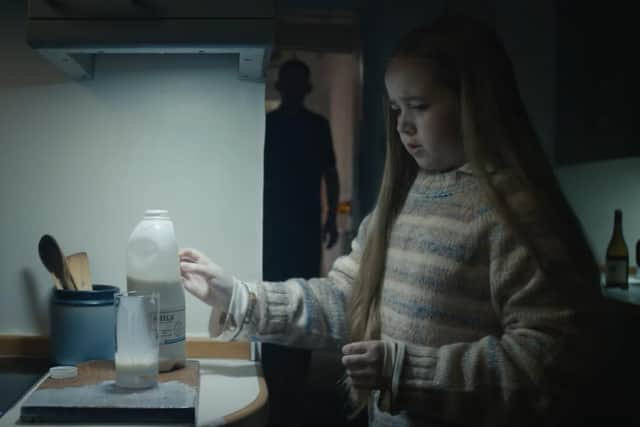
You may have seen this year’s advertising campaign which shone a light on how Christmas is the most dangerous time of year for some children.
That advert was inspired by the true story of a woman who was abused by her father as a child.
Her name is Sarah, and she used to love Christmas, until she was abused by her father.
Sarah said: “He would use the festive period as another way to exert power over me and manipulate me. He would make me ‘earn’ my presents each year, which he often ended up selling when he ran out of money.
“I was nine when I first called Childline to disclose my abuse and ended up speaking to a wonderful counsellor who made me feel listened to and safe. These conversations encouraged me to seek further support and, eventually, my father was convicted of his crimes against me.”
Sadly, there will be other Sarahs across the country this Christmas, and our colleagues in the NSPCC Helpline are expecting to hear from thousands of adults who need to reach out with concerns about a child’s safety.
In many cases, those calls lead to vital interventions being made by local authorities which help to protect a child or provide early support to a family who needs it.
Often, worrying about whether they might be wrong is a reason for not calling our Helpline or flagging up concerns. But what if you’re right? A simple email or call to let professionals consider whether a child needs help might be the jigsaw piece that enables a young person to enjoy a safer childhood.
And while the NSPCC Helpline is available on 0808 8005000 or at [email protected] for adults, our Childline service has trained counsellors available 24/7 to listen to young people’s concerns and provide advice.