
Childline: Guidance on leaving a child alone to avoid placing them at risk
As the summer holidays approach, families everywhere will be juggling work, childcare and everything in between.
For those without access to flexible working or support networks, the pressure can lead to a difficult question; is it safe to leave my child home alone?
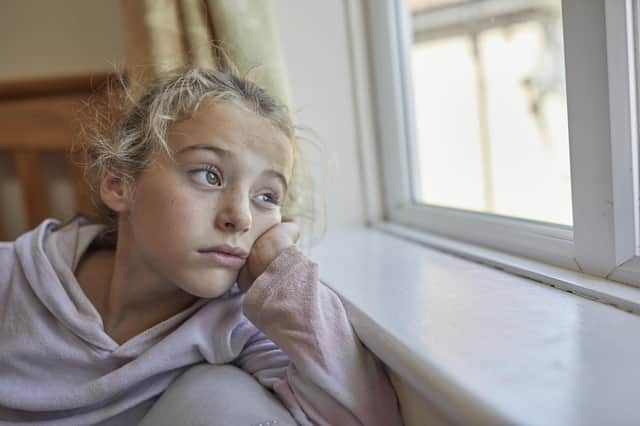

Last year, our colleagues on the NSPCC Helpline received 6,719 contacts from adults who were concerned about children being left home alone or unsupervised.
Some of these calls were from worried neighbours or family members. Others were from parents and carers themselves, unsure whether their child was ready to be left on their own and for how long.
Our Childline volunteers hear from young people worried about being left alone too, and it’s important to remember that every child is different.
Some older children may feel ready to spend short periods of time by themselves, while others may not feel safe, secure, or confident enough to manage.
While there is no legal age at which a child can be left home alone in the UK, it is against the law to leave a child alone if it places them at risk.
If you are trying to decide your child is ready to be left unsupervised, the most important thing to do is to talk it through with them and listen to them. If they tell you they’re nervous, take those feelings seriously. Just because a child is 12 or older doesn’t mean they feel confident about being left alone.
If they are happy to try, discuss what they’ll do while you’re out and make sure they know what not to do – such as using the cooker or opening the door to strangers.
Make sure they have contact numbers for you and for other trusted adults, just in case something goes wrong, and try starting small by leaving them alone for just 20 minutes at first then building up gradually.
Reassure them that you will check in while you’re out. Let them know what time you’ll be back and if your plans change, keep them updated.
The NSPCC website has guidance, including a quiz to help parents and carers assess whether a child is ready to be left alone.