
Miners’ Strike film and exhibition in Sunderland bring back vivid memories
An exhibition and film about the 1984 Miners’ Strike have brought back vivid memories for a Sunderland couple.
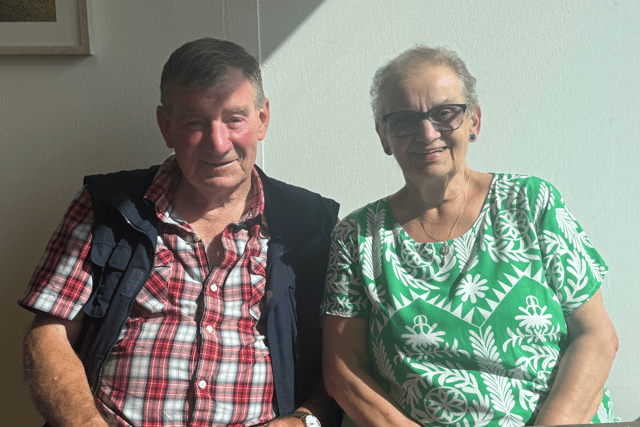

Bob and Juliana Heron were heavily involved with the strike.
They visited the National Glass Centre’s Northern Gallery for Contemporary Art’s (NGCA) Collection Space to see Mike Figgis’s film The Battle of Orgreave, based on Jeremy Deller’s re-enactment and photographs provided by the Sunderland Echo for an accompanying exhibition.
The hour-long film centres on the brutal confrontation, made with the participation of many relatives of former miners as well as re-enactment specialists.
The 2001 film combines footage of the day with interviews with several key protagonists.
Bob was a colliery fitter at Eppleton Colliery at the time of the strike. He later became a long-serving Sunderland City Councillor for Labour and the city’s mayor.
Juliana started working life as a nurse, but was bringing up her three children when the strike started in March 1984. She became a leading figure in miners’ support groups and chaired Eppleton Miners Wives Support Group.
She remains a long-serving Sunderland City Councillor, representing Houghton ward for Labour. She was Sunderland’s mayor in 2003.
Bob was at the Battle of Orgreave between pickets and police on June 18, 1984 and literally still bears the scars.
Bob said: “It was utterly terrifying and I saw lads getting cracked over the head by police officers and being knocked out of the way by horses. The police were lashing out at anyone near them, there were so many head injuries.”
Bob himself needed ten stitches after a police dog bit his leg leaving him permanently scarred.
Meanwhile Juliana was becoming a notable figure in Eppleton and the wider Durham coalfield.
Juliana remembers: “We made sure the miners were being fed and made sure that all of the wives were supported. We were there for each other and we became one big family in the end.
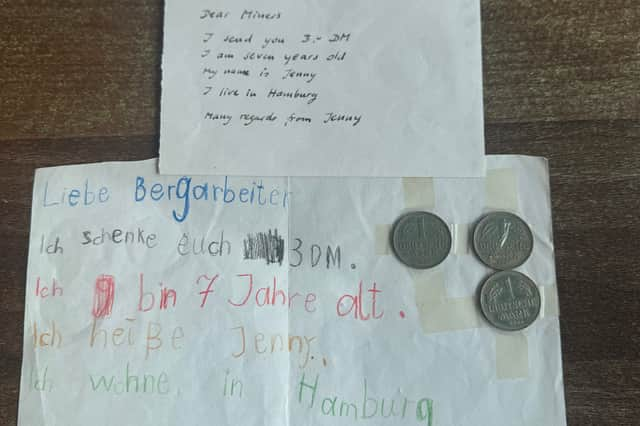
“We ran a café providing proper meals, a main course and dessert. It was a lot of meals, one week we served 1,350 meals.
“The film and photographs at the NGCA help to keep those memories alive.”
The free exhibition and film are at NGCA’s Collection Space in the Glass Centre until November 3.