
Inside major restoration of Redhills in Durham as it honours our coal mining heritage and builds a new future
The building is a nationally-important symbol of social reform.
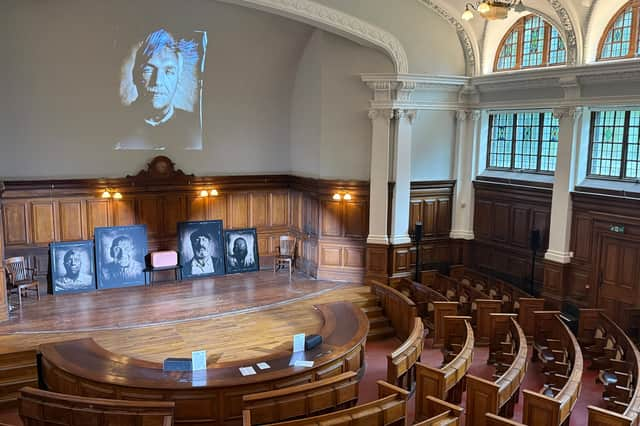
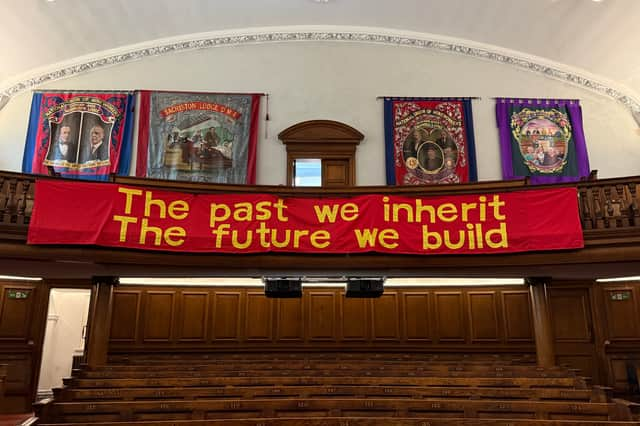
Walk into the mighty Pitmans Parliament, gold numbers still etched on its wooden seats, mining banners pinned proudly to the walls, and it’s not difficult to imagine when this grand crescent-shaped chamber was the beating heart of the workforce who toiled in the coalfields across Durham, Sunderland and South Tyneside.
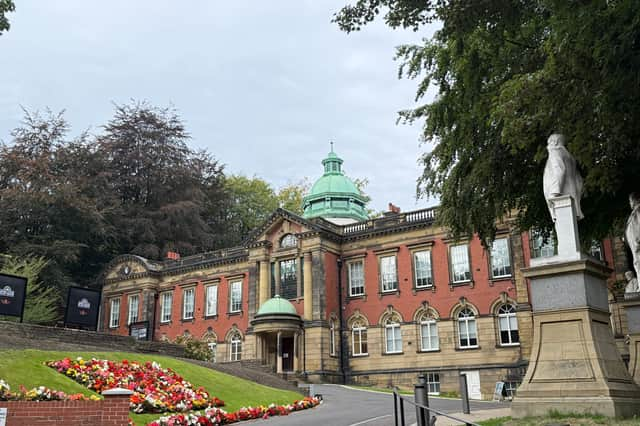

It’s the crowning glory of Redhills, an imposing redbrick building in the shadow of the railway arches in Durham City, which was purpose built in 1915 as the headquarters of Durham Miners’ Association (DMA.)
Generations of mining families who worked across the vast Durham Coalfields - which then incorporated Sunderland and South Tyneside - were once represented at Redhills, and it has deep significance for their work, sacrifice and achievements as they produced up to 40m tonnes of coal a year at the peak of the industry.
The handsome Edwardian building was built for the workers in an opulent style that deliberately echoed the mansions of the mine owners, with Italian stained glass windows, imported Austrian oak panelling and marble in a powerful statement of pride for democracy and the working classes.
Shaped by solidarity, Redhills was funded by more than 150,000 working Durham miners and it provided mining education, sickness and unemployment benefits, retirement homes, medical care, community centres, libraries, sports fields and more.
The hardships faced by those miners and their families paved the way for a movement of social reform, which predated the welfare state and left a lasting impact on society.
The last of the Durham Coalfields collieries, Wearmouth Colliery, now the site of Stadium of Light, closed in 1993 and although the Redhills building was still in use by the DMA in the years that followed it became in major need of repair.
Over the past four years, the Grade II-listed building has undergone a £14m restoration project and reopened in summer last year as a visitor and heritage centre, run by the Redhills CIO (charitable incorporated organisation).
Alix Collingwood, head of engagement at Redhills, told us of the importance of the Pitmans Parliament to coalfield life.
“The Pitmans Parliament would meet every quarter where the important issues for miners would be debated and decided upon. The DMA had key values based around care and community and each lodge would have its own seat. At its height, there would be close to 300 lodges at meetings,” she explained.
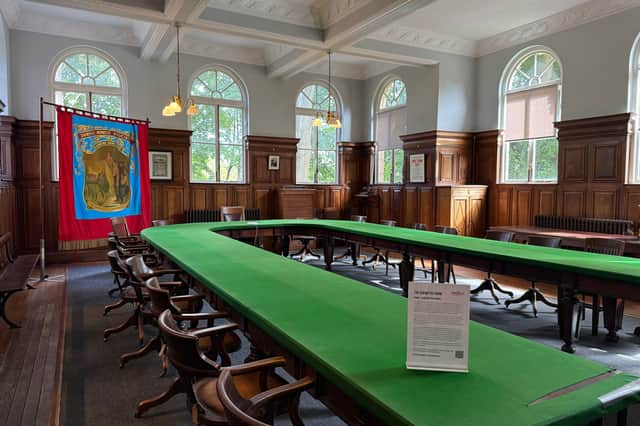
As well as the hugely-impressive Pitmans Parliament, the visitor centre is also home to the Committee Room where the 1984-5 strike action was decided upon; the Muniments Room housing important documents and archive material, as well as new additions including a cinema room and cafe and exhibition space.
It’s a multi-purpose site, as Alix explains: “It’s not a museum in the traditional sense; it’s a living heritage building for guided tours, music, theatre, arts and more. We asked people what they wanted for the future of the building and they didn’t want it to be a mausoleum to the past. They wanted it to be an active building that looked to the future.
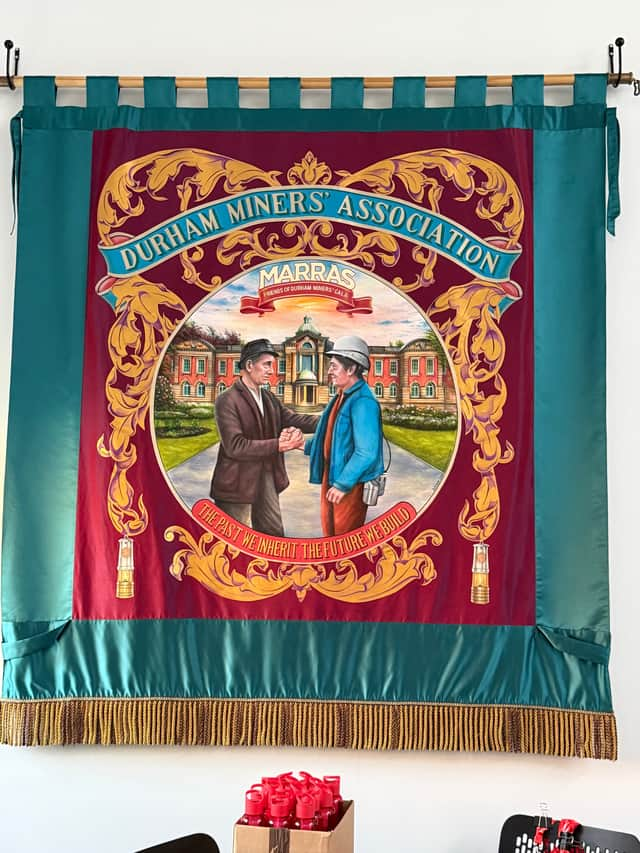
“One of our key missions is to look at rebuilding that coalfield commonwealth and take those values forward. This building belongs to that coalfield community and our motto is ‘the past we inherit, the future we build.’”
Redhills isn’t a regular museum with daily opening hours.
Throughout the year, it hosts talks, performances, exhibitions, film screenings and community events that reflect the culture, history and shared purpose that built Redhills and you can view its events at redhillsdurham.org
However, it recently launched Redhill Sundays where anyone can come along on Sundays from 11am to 2pm to admire this powerful symbol of social reform.
Coal Face exhibition
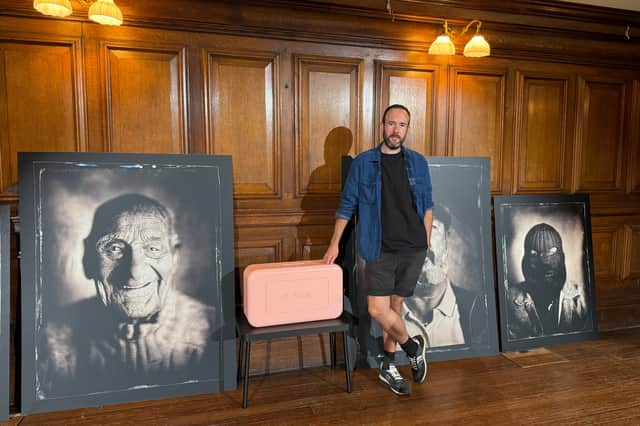
Few exhibitions can be more fitting at Redhills than Coal Face.
Many exhibitions will be held at the venue and visitors will be able to catch Coal Face in rooms across the building throughout autumn.
The exhibition of tintype portraiture is the work of Sunderland photographer Andy Martin whose work represents his passion for honouring the North East’s rich industrial heritage.
Previously on show at Sunderland Museum & Winter Gardens, the exhibition features dozens of portraits of former coal miners and those who worked above ground, capturing the hardships as well as the fierce community spirit of the coalfields.
Those featured worked in mines such as Washington F Pit, Herrington Colliery, Hylton Colliery, Ryhope Colliery, Silksworth Colliery and Wearmouth Colliery.
Andy, who used the collodion process of photography for the portraits, said: “Redhills funded the Coalface project so being on display here now is a real full circle moment.
“Growing up, the spectre of the coalmining industry always loomed. As part of this project, I spent a lot of time with people involved across that industry and it’s been a real honour to photograph them.
“Many shared stories with me they hadn’t talked about in years and it feels so special to have this work displayed in Redhills, the heart of the coalfields.”
You can check out Coal Face on visits to Redhills for events and on every Sunday throughout autumn from 11am to 2pm.