
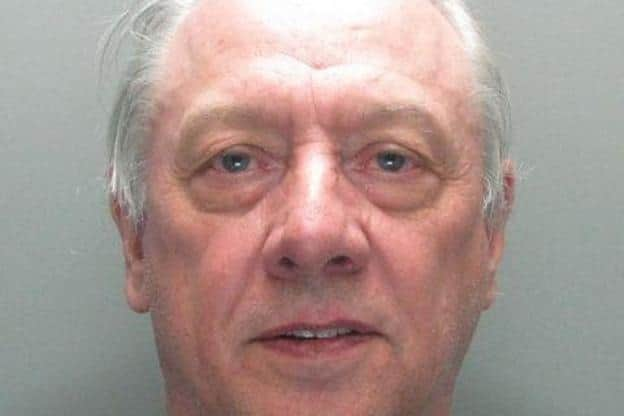
Crooked Sunderland accountant Kenneth Scott pocketed more than £3m through his crimes
A disgraced businessman who splashed out on luxury holidays and a flash car while cheating the taxman pocketed more than £3m through his crimes, a judge has ruled.
Accountant Kenneth Scott operated seven financial services companies across the North East of England under the Sunderland-based Willis Scott group and had offices in South Shields, Hexham, Newcastle and County Durham.
Newcastle Crown heard during a seven-year revenue dodge he went on a series of high end trips and treated himself to a £73,000 Aston Martin.
In April last year, Scott, 69, was jailed for four years after he admitted two charges of cheating the revenue between April 2014 and March 2021.

He was also banned from being a company director for 10 years.
Scott's case was back in court for an application under the Proceeds of Crime Act to claw back some of his ill-gotten gains.
Judge Edward Bindloss said Scott benefited by £3,308,058.37 through his offending.
The judge said Scott's available amount to be seized, through the sales of the business, the Aston Martin and other assets including shares and Premium Bonds, was £1,269,660.
Scott faces a further seven-and-a-half months in prison if that is not paid within three months.
The outstanding amount remains owed and will be seized if he has any future windfall.
The court heard last year that the firms' 27 employees had tax and national insurance deducted from their wages although the money was never passed on to the Inland Revenue.
Clients were charged VAT, despite the group not being registered, which was not handed over to the HMRC.
Meanwhile Scott was splashing out on trips including a £23,000 holiday in 2017-18, a £44,000 holiday in 2018-19 and the Aston Martin in 2019.
When he was interviewed over the offences in 2021 Scott already had a £5,000 cruise booked for that year and admitted his spending had been “a bit over the top”.
The court heard that, because the employees' deductions had not been paid to the Inland Revenue, it meant they were unable to claim benefits after they were no longer in work.
References described Scott, of Fir Tree, Crook, County Durham, who was in business for 40 years, as “courteous, kind and polite” while others spoke of him being a “good employer” who would help people who needed it.