
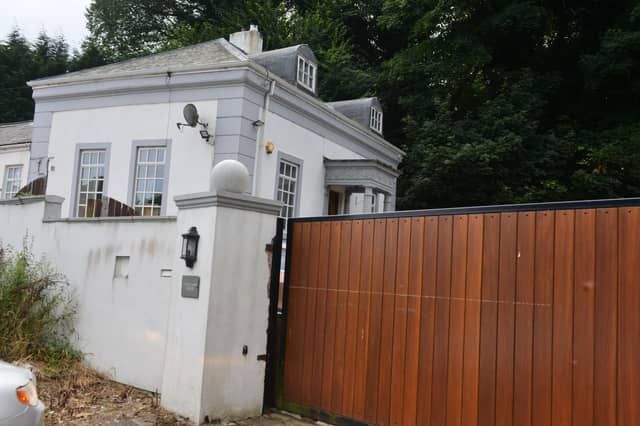


Here is just a handful of the listed historical buildings to be found across the city with a quick look at the Historic England interactive map.
Listing buildings gives them special legal protection and there are three grades - Grade II, Grade II* and Grade I.
Grade II covers buildings of ‘special interest’ and accounts for almost 92 per cent of all the buildings on the register - it is the most likely grade for a home owner to have to worry about.
Grade II* covers particularly important buildings of ‘more than special interest’ and those listed as Grade I are of ‘exceptional interest’ - only around 2.5% of the register is Grade I listed.
Of the buildings on our list, all but one are rated as Grade II - only Doxford House merits a Grade II* rating.
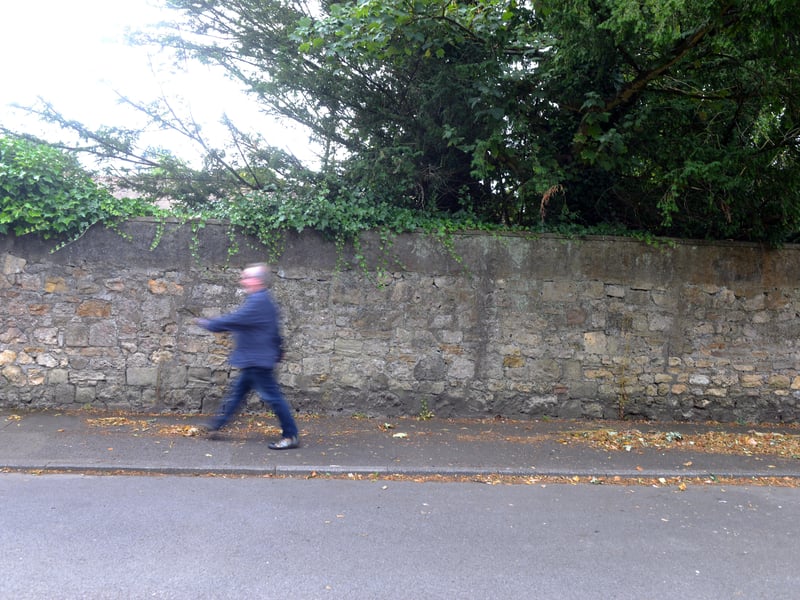
5. Garden walls and piers to east of Doxford House, Warden Law Lane
The serpentine garden wall is also deemed worthy of its own listing. | sn
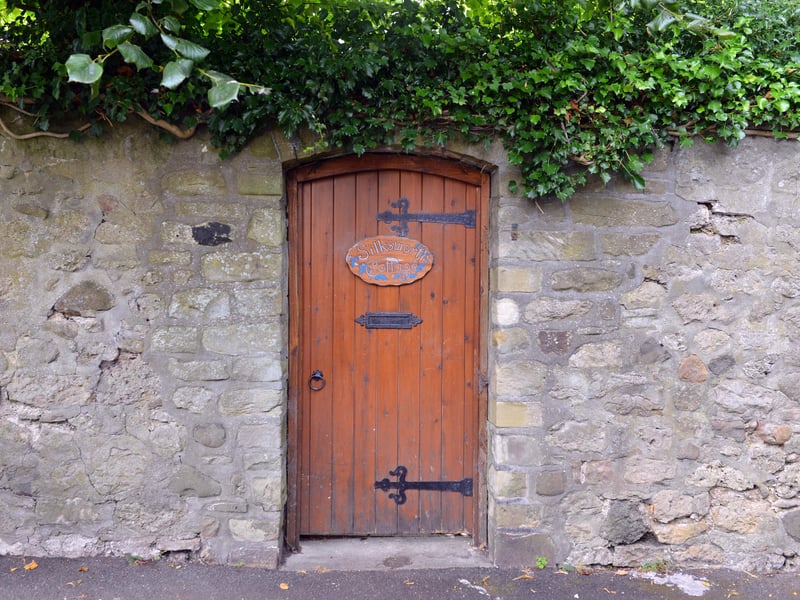
6. Silksworth Cottage, Warden Law Lane
Set back from the road, the house is believed to date back to the late 18th Century. | sn
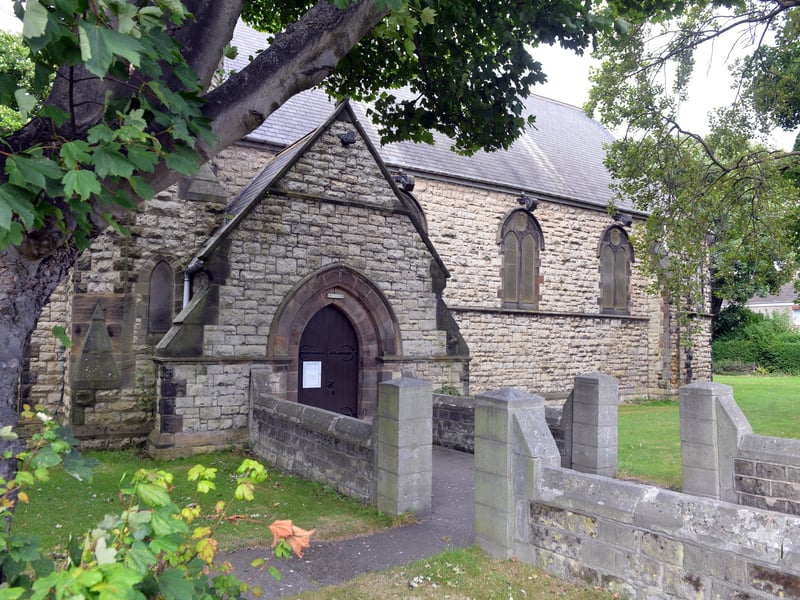
7. Church of St Leonard with attached presbytery and stone walls, Tunstall Village Road
The foundation stone was laid on July 12, 1872, and the church was opened by Bishop Chadwick on September 16 1873. The presbytery was built at the same time. The buildings were designed by George Goldie, of Goldie and Child, one of the foremost 19th Century Catholic architects in England. | sn
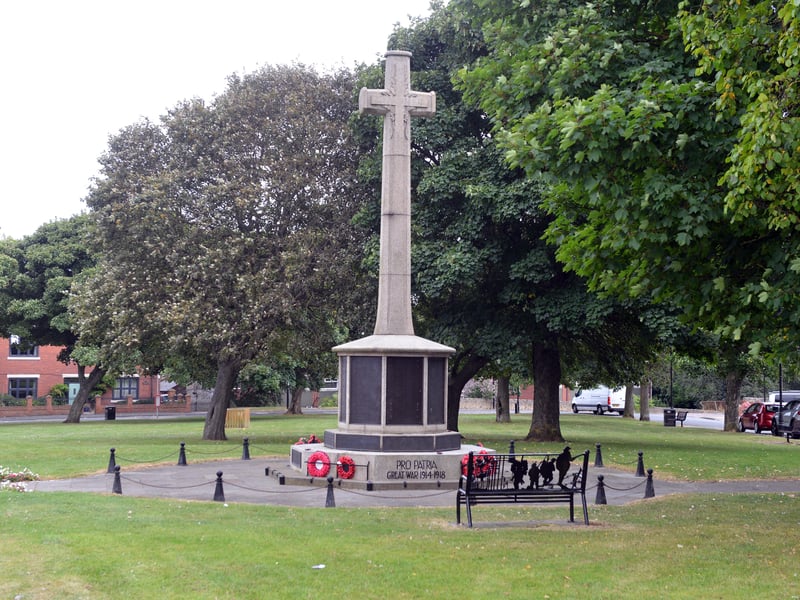
8. Ryhope war memorial, The Green
The memorial bears the names of local service personnel who died in both World Wars. The north side has a plaque honouring the memory of pilot Cyril Barton, who stayed at the controls of his stricken Halifax bomber, rather than bail out, in order to ensure it avoided the village when it crashed. Barton was pulled alive from the wreckage but succumbed to his injuries before he could even reach hospital. He was posthumously awarded the Victoria Cross for his sacrifice, which saved dozens of lives. | sn