
Type 1 diabetes: Sunderland University student puts spotlight on condition with photography project

The physical and mental impact of living with Type 1 diabetes is being put into the spotlight.
Sunderland University student Max Hawley was diagnosed with the condition when he was 14 years old.
Those living with Type 1 diabetes do not produce enough insulin in their body to control their blood glucose levels.
To stop these levels being dangerously high (hyperglycaemic) or too low (hypoglycaemic), a person must take daily injections of insulin.
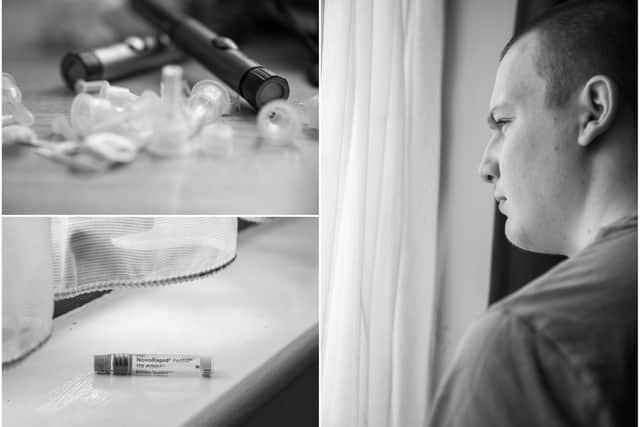

Now into the second year of his Photography, Video and Digital Imaging degree at Sunderland, Max is channelling previous feelings of frustration and isolation into a new project, Low.
He hopes that the striking series of black and white photographs will help others with Type 1 diabetes feel less alone in their own struggles.
Max, 20, told the Echo: “'Low is the name I have chosen for the project linking to low blood sugars or hypoglycaemia but also feeling low when diabetic life becomes too much and begins to take a toll on your mental wellbeing.”
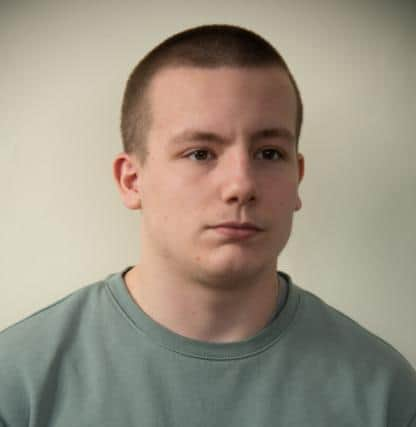
Speaking further about living with Type 1 diabetes, Max - who is originally from Hull – outlined the strain on both his physical and mental wellbeing.
Like others diagnosed with the condition, Max had to adjust to managing his levels with insulin injections and blood sugar checks, as well as processing the impact this has on many aspects of his daily life.
He was also previously hospitalised due to suffering diabetic ketoacidosis, a build-up of harmful chemicals in the blood.
Max said the challenges that come with the condition fuelled his desire to work on Low.
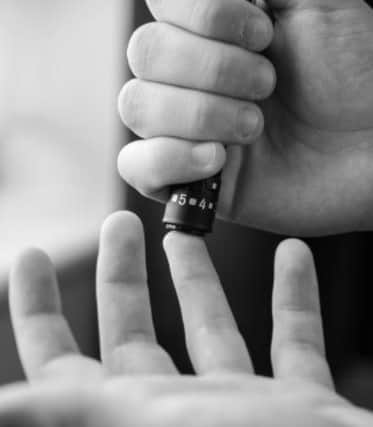
He added: “While this project is part of my learning as a student, it is personal and I see it reaching its goals in the public eye.”
The Echo thanks Max for sharing his photographs. Follow him on Instagram @maxhawley_photo.
What are the symptoms of Type 1 diabetes?
According to the NHS, symptoms of Type 1 diabetes can come on quickly – especially in children.
To that end, you should see a GP if you or your children are experiencing any of the following symptoms:
::Feeling thirsty; peeing more than usual, especially at night; feeling tired; losing weight without trying; recurrent thrush; blurred vision; cuts and grazes that won’t heal or breath that smells fruity like pear drops or nail varnish.