
Number of Indian variant cases of covid 'remains low' in Sunderland
The number of Indian variant of Covid-19 identified in Sunderland remains “very small” – with the city’s health boss stressing how important it is to not let rules slide to help drive down figures.
It is thought the strain of the virus – known as B.1.617.2 and now the Delta variant – could be spreading more quickly than the Kent variant, which was behind a surge in cases over the winter, and more easily transmitted than that version.
Last week, Sunderland City Council said ‘a very small’ number of cases of that strain had been identified in the area, but would not disclose further information due to patient confidentiality.

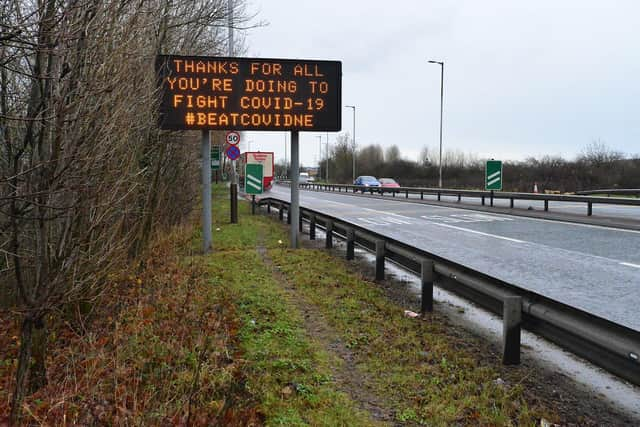

Today, its Executive Director of Public Health and Integrated Commissioning, Gerry Taylor, said that the number of cases remains very small and would not disclose figures.
She said: "While we have no major changes to these case numbers and our numbers remain low, neither are there changes to the guidance: it remains important, as we have already all been doing, to follow the guidance on hands, face, space and fresh air.
"You can test yourself twice weekly if you don’t have symptoms or have been vaccinated.
"And if you do have symptoms, however mild, including a new, continuous cough, high temperature and changes to your senses of taste and smell, then please self-isolate straight-away and order or book a PCR test.”

Her call comes as Prime Minister Boris Johnson insisted there is “nothing in the data at the moment” to prevent ending Covid-19 restrictions from Monday, June 21 as the proportion of deaths involving the virus fell to the lowest level in eight months.
But he warned: “We’ve got to be so cautious because there’s no question, the ONS data of infection rates is showing an increase.
The Prime Minister added: “We always knew that was going to happen, don’t forget, we always said that the unlocking steps that we’ve taken would lead to increases in infection.

“What we need to work out is to what extent the vaccination programme has protected enough of us, particularly the elderly and vulnerable, against a new surge.
“And there, I’m afraid, the data is just still ambiguous.”
However a reduction in deaths reported, and vaccine success, may give ministers the confidence to go ahead with easing restrictions.