
SHINE Sunderland puts £137k into new approach to pupil problems
The project is latest to be backed as part of SHINE’s £11million, 10-year investment in education across Sunderland.
A Sunderland school has received over £137,000 grant to help pupils who might be struggling.
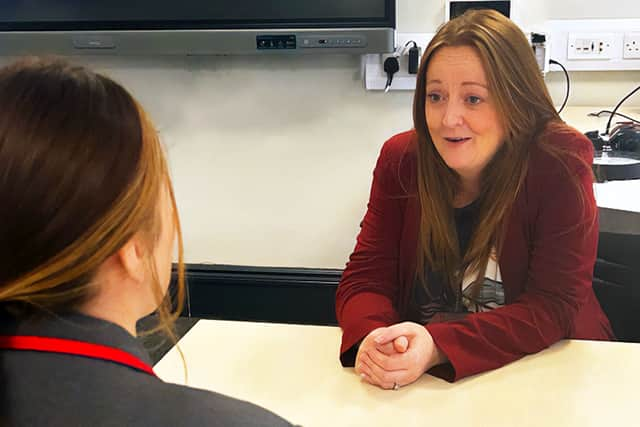

The funding from Education charity SHINE Sunderland is supporting Christ’s College in Pennywell with its new approach to understanding the barriers affecting students’ attendance, learning and future opportunities.
The school says that every student’s circumstances are different. But when a young person struggles with attendance, behaviour or attainment, the reasons are not always clear. The new Assess not Assume project, supported by the £137,272 grant from SHINE, aims to change that.
Over the next two years, Christ’s College will work with students and their families to understand their experiences, identify barriers to learning and connect them with appropriate support.
The project is latest to be backed as part of SHINE’s £11million, 10-year investment in education across the city. SHINE Sunderland is one of the largest local education funds in the country, designed to improve life chances for young people and boost educational attainment in GCSE outcomes.
Christ’s College has made progress in recent years, moving from a ‘Requires Improvement’ Ofsted rating to ‘Good’, under the previous inspection framework, and reducing its attainment gap. But significant challenges remain.

Almost a third of secondary students are persistently absent, rising to 52.8% among those eligible for Pupil Premium – funding to improve education for disadvantaged pupils in state-funded schools.
Yet some students with no identified vulnerabilities have poor attendance, while others facing multiple vulnerabilities attend regularly; so attendance data alone cannot explain what is happening in pupils’ lives.
Christ College’s principal, Julie Normanton, explained: “It’s about deeply understanding barriers, because so much of what we do in school otherwise is based on the assumptions we make.
“For example, when a child doesn’t attend, we assume we understand why they’re not attending and we put things in place to try and address that issue. But if we don’t understand the barrier they are facing, we’re not going to fix it and we’ll throw the wrong solution at it.”
“That’s only one pathway because it’s not always mental health that’s the barrier for every child.”
She added: “We should want every child who lives in Sunderland to have a good deal. It shouldn’t matter which school they go to.”